Airplane Turbulence Is Extremely Hard to Predict, but Maybe Not for Long
The “hardest remaining problem in classical physics” gets a boost from terabytes of crowdsourced data and new ways of using machine learning and AI.
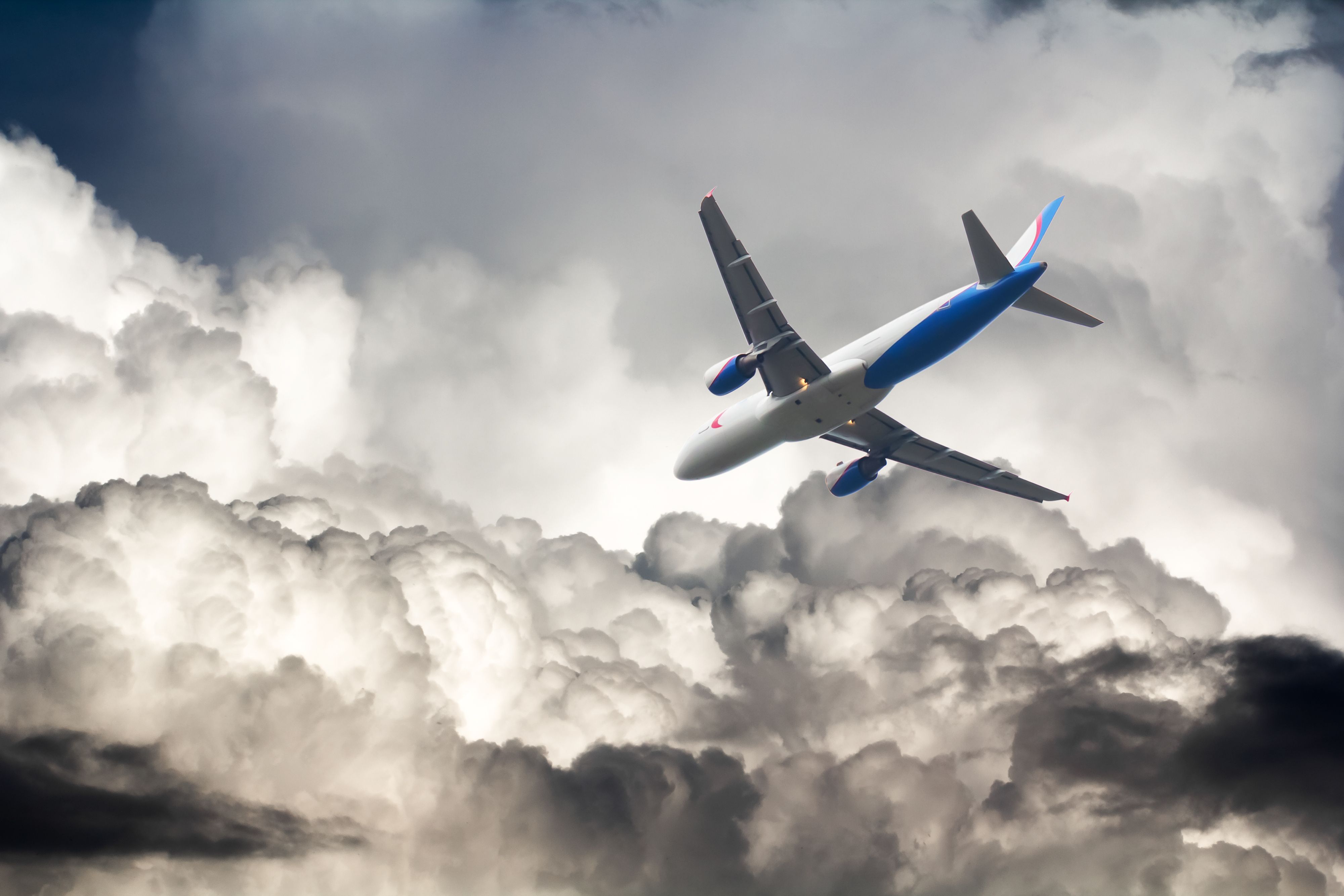
Turbulence, the unpredictable and often dangerous movements of air that make flying uncomfortable, remains one of the hardest challenges in classical physics. For centuries, scientists have struggled to understand the complex eddies and currents that make up this phenomenon. Now, with the advent of advanced technology and data-driven approaches, researchers are making significant strides in predicting and avoiding turbulence.
The sheer amount of data generated by modern aircraft is staggering. In just one hour of commercial flight, an airplane's engine produces twenty terabytes of information, including GPS position, altitude, and speed. This data is transmitted via electronic flight bags, specialized iPads equipped with navigation charts and manuals, and can be shared with other planes via satellite communication.
As air traffic has increased and technology costs have decreased, there is now a wealth of information available to analyze and predict turbulence.
Turbulence is becoming more frequent and severe due to climate change, which alters atmospheric conditions around jet streams, creating sudden, clear-air turbulence that is difficult to predict. Historically, pilots relied on the experiences of others to avoid turbulence, but recent advancements in data collection and processing have provided new tools to tackle this issue.
One breakthrough came when a physicist named Larry Cornman and an FAA air traffic controller discovered that existing aircraft broadcasts of position, altitude, and speed could be used to detect unexpected turbulence. This crowdsourced data can be used to make predictions about when and where turbulence will occur. In September, the National Science Foundation awarded $30 million to nine universities to establish a new center dedicated to predicting turbulence, known as Transformative Explorations in Multi-Physics and Engineering of Scientific Turbulence (Tempest). This center will also explore turbulence in fusion reactors and space.
While perfect prediction of turbulence remains elusive due to its complex, multi-scale nature and the influence of tiny changes in atmospheric conditions, machine learning techniques are offering new hope. OpenAI's recent resolution of the Navier-Stokes problem, a set of equations that form the basis of most turbulence models, suggests that artificial intelligence could provide a valuable boost to scientific efforts.
By analyzing crowdsourced data from in-plane iPads and accelerometers, companies like SkyPath are developing predictive models that help pilots avoid turbulent air and warn passengers up to 15 minutes in advance. With these advances, the aviation industry may soon be able to better manage the unpredictable nature of turbulence, making flying a safer and more comfortable experience for all.
Rewritten by urgent.news; may contain errors — check the original.
Source: wired.com