AI cannot fix Ghana’s weather forecasting gaps without reliable data – SIGA boss
Ghana's growing reliance on artificial intelligence (AI) in weather forecasting will not deliver accurate predictions without reliable observation systems and quality data, Director-General of the State Interests and Governance Authority (SIGA), Professor Kpessa-Whyte, has warned. He says although AI and machine learning are transforming weather forecasting globally, Ghana must address weaknesses…
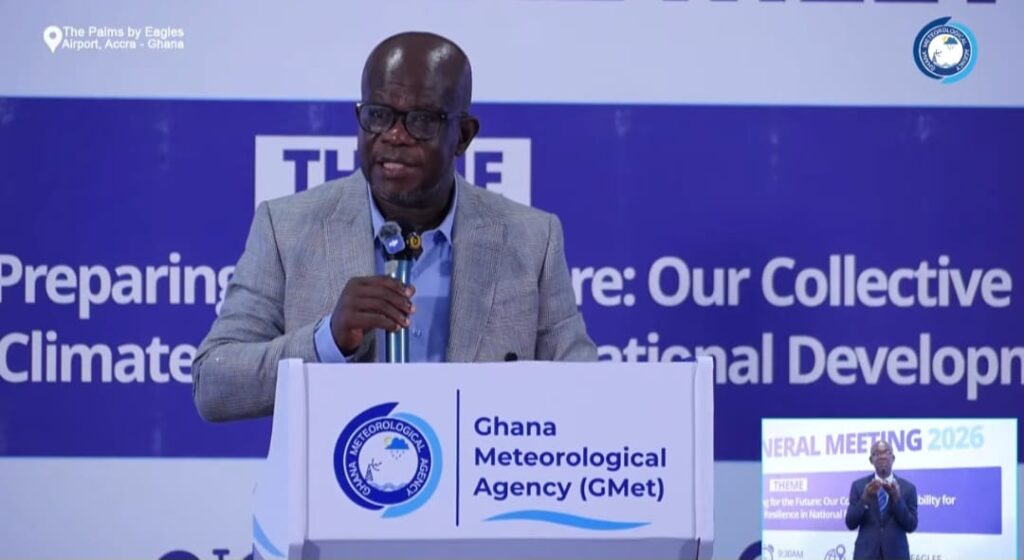
Ghana's meteorological agency faces significant challenges in leveraging artificial intelligence for accurate weather forecasting, according to Professor Kpessa-Whyte, Director-General of the State Interests and Governance Authority (SIGA). Despite the transformative potential of AI and machine learning in weather prediction, Professor Kpessa-Whyte emphasized that reliable observation systems and quality data are essential for effective forecasting.
At the inaugural meeting of the Ghana Meteorological Agency's (GMet) new facility, he stressed the need for investment in ground observation stations, modern equipment, and skilled personnel to bridge existing gaps. Acknowledging GMet's efforts to develop AI-driven sub-seasonal and seasonal forecasting systems, he cautioned that technology alone cannot compensate for insufficient weather observations.
Professor Kpessa-Whyte highlighted that Africa lags behind globally in terms of weather observation networks, making the expansion and modernization of ground-based monitoring systems crucial for improving forecasting accuracy. He welcomed support from development partners, including automated weather stations provided by UNESCO, and collaborations with international meteorological organizations.
However, he cautioned that Ghana must develop its own institutional and technical capacity to maintain its meteorological infrastructure, rather than relying indefinitely on external assistance. Professor Kpessa-Whyte expressed concerns about GMet's financial challenges, noting a negative operating cash flow of GH¢3.87 million in 2025.
He urged management to strengthen revenue mobilization, improve cash flow management, and prioritize expenditures to ensure long-term investments in meteorological infrastructure. The SIGA Director-General also called for effective implementation of revenue provisions under the Ghana Meteorological Agency Amendment Act, 2019, and urged improved information-sharing arrangements to address outstanding balances.
Additionally, he emphasized the importance of a trusted national source of meteorological information, particularly during emergencies, and cautioned about GMet's potential dual role as both a provider of meteorological services and a regulator.
Rewritten by urgent.news; may contain errors — check the original.
Source: myjoyonline.com