5 Lessons from Traitor in the House by Shubha Menon
Explore five powerful lessons from Shubha Menon's Traitor in the House, a memoir about mental health, family trauma, caregiving and resilience.
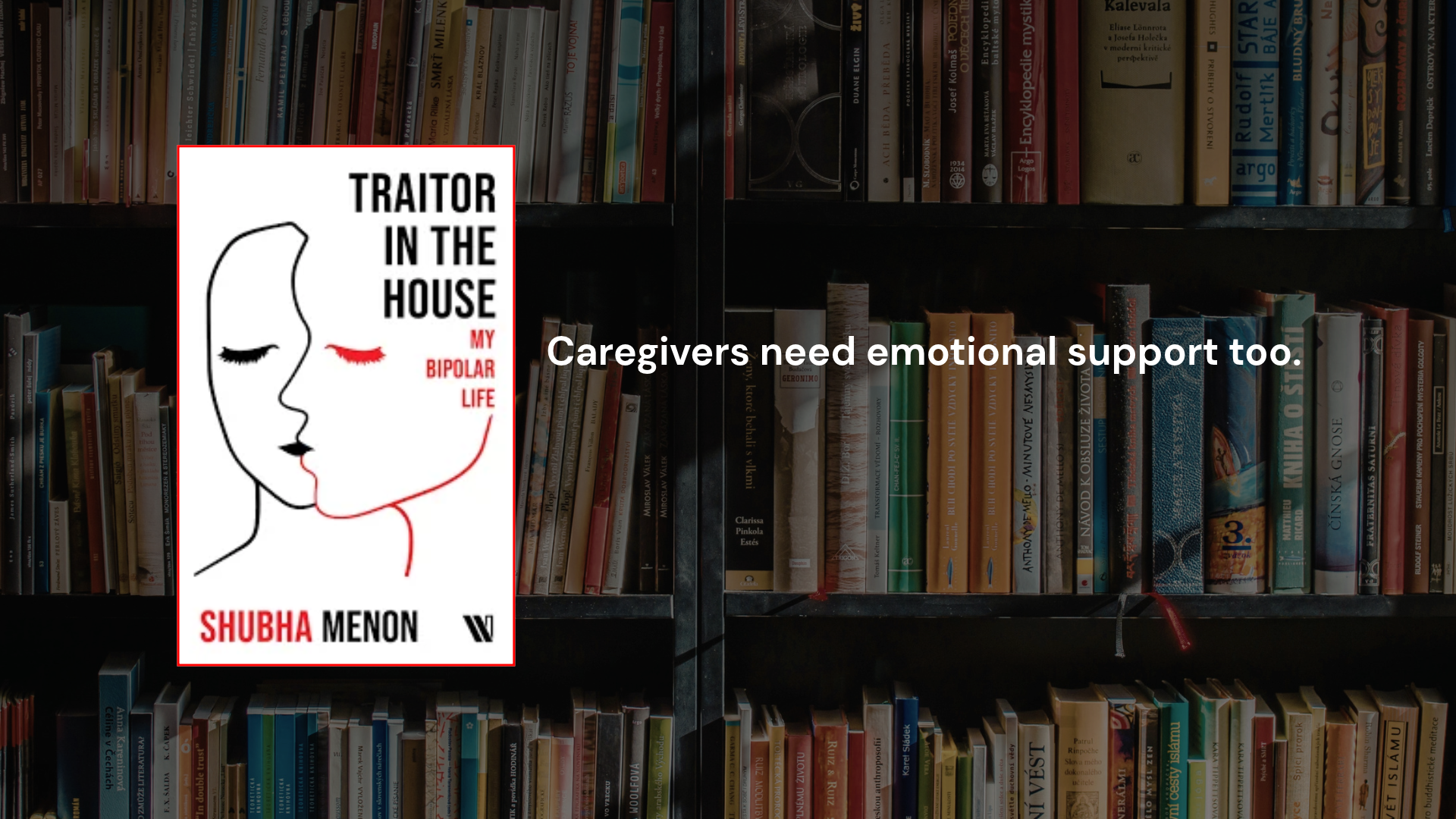
1. Mental illness should be understood, not judged. Shubha Menon's memoir highlights how lack of awareness surrounding bipolar disorder can burden an entire family. Recognizing mental health conditions, seeking professional assistance and shifting judgement to compassion are vital steps towards empathetic treatment.
2. Childhood experiences can shape adult life. Menon discusses the impact of growing up in an unpredictable family environment and how these experiences have shaped her emotional well-being. Childhood trauma, if unaddressed, can persist into adulthood and influence responses to stress, relationships and challenging situations.
3. Unaddressed trauma can pass through generations. The book reveals how unresolved emotional pain, untreated mental illness and unhealthy coping mechanisms can impact not just one individual but future generations as well. By acknowledging family history, people can break harmful patterns and make conscious choices to prevent repeating past traumas.
4. Caregivers need emotional support too. Menon's account sheds light on the emotional exhaustion, fear, and uncertainty faced by families taking care of someone with serious mental health issues. It emphasizes the need to prioritize caregivers' emotional well-being alongside the person in need, without neglecting their own healing process.
5. Acceptance can become the beginning of healing. Menon's journey from fear and denial to diagnosis, understanding, and acceptance demonstrates that confronting painful experiences is challenging yet necessary. Acceptance does not condone or forget past events, but rather acknowledges reality without letting it define one's future. It paves the way for healing through honest self-understanding.
Rewritten by urgent.news; may contain errors — check the original.
Source: yourstory.com