4 SC justices dissent over Duterte’s arrest
THE Supreme Court’s dismissal of petitions questioning former president Rodrigo Duterte’s arrest and transfer to the International Criminal Court (ICC) has drawn sharp dissent from four justices, who said the ruling leaves serious constitutional questions unresolved. While the 9-4 majority of the Supreme Court en banc declared the consolidated habeas corpus petitions moot because Duterte is now…
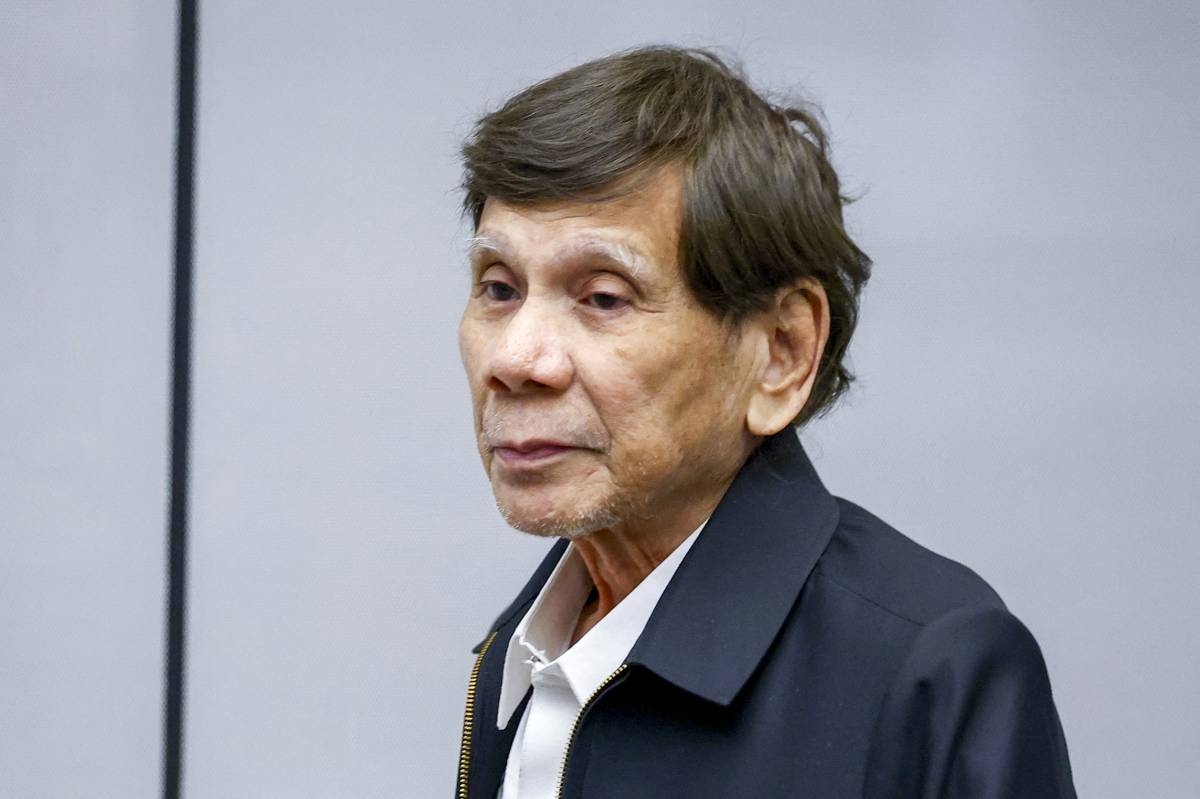
Four justices of the Supreme Court diverged from the majority's decision to dismiss petitions questioning former President Rodrigo Duterte's arrest and transfer to the International Criminal Court (ICC). Senior Associate Justice Marvic Leonen and Associate Justice Ramon Paul Hernando expressed that the ruling left significant constitutional issues unaddressed.
Leonen highlighted the gravity of these constitutional concerns, warning that the Court's silence deprives various stakeholders—including judges, lawyers, and law enforcement agencies—of necessary guidance on the boundaries of government actions when dealing with international arrest warrants and adherence to the Rome Statute. He argued that the Court should have examined the legality of Duterte's arrest and surrender, cautioning that such an oversight deprives the judiciary of essential clarity.
Hernando, in his dissent, directly challenged the constitutionality of Duterte's transfer to the ICC, contending that it violated the former president's fundamental rights, including due process and protection against unreasonable searches and seizures. He questioned whether Section 17 of Republic Act 9851, which permits the surrender or extradition of suspects to international courts, was constitutional due to its lack of clear mechanisms and safeguards.
Two other justices, Henri Jean Paul Inting and Antonio Kho Jr., also disagreed with the majority's conclusion that the petitions were moot, insisting that the legality of Duterte's arrest and transfer required judicial review. Inting emphasized that the Court could still determine if the arrest and surrender complied with constitutional and legal standards, arguing that the issue was legal rather than political.
He also suggested that a Supreme Court ruling could influence the ICC proceedings under the doctrine of abuse of process. Kho argued that Duterte's transfer to the ICC lacked a valid domestic legal basis or court order, making it unconstitutional. He stressed that the government cannot surrender a Filipino citizen to an international tribunal without proper legal authorization.
Despite the dissenting opinions, the Supreme Court en banc ultimately dismissed the petitions, ruling that habeas corpus is a domestic remedy that cannot enforce beyond the country's jurisdiction and that the Court has no authority to compel the ICC to release Duterte. The decision, written by Associate Justice Japar Dimaampao, drew nine votes in favor, with four justices dissenting.
Rewritten by urgent.news; may contain errors — check the original.
Source: manilatimes.net