Your “responsible” seafood isn’t what it seems
This story is part of a series supported by Animal Charity Evaluators, which received a grant from EarthShare. Seafood is sort of having a moment. Influencers are talking up the benefits of tinned sardines, dry-aged fish is all the rage in fine dining, the poke bowl trend of the 2010s is still going strong, and […]
Seafood is gaining popularity in recent years, with influencers promoting the benefits of tinned sardines, dry-aged fish in fine dining, and poke bowls. However, it's the everyday items like bagged shrimp and salmon or tuna fillets that often find their way into shoppers' carts. Seafood consumption has been gradually increasing over the past few decades, and now major players including the Trump administration, World Economic Forum, and environmental groups are pushing for even greater consumption, aiming to place more seafood on people's plates.
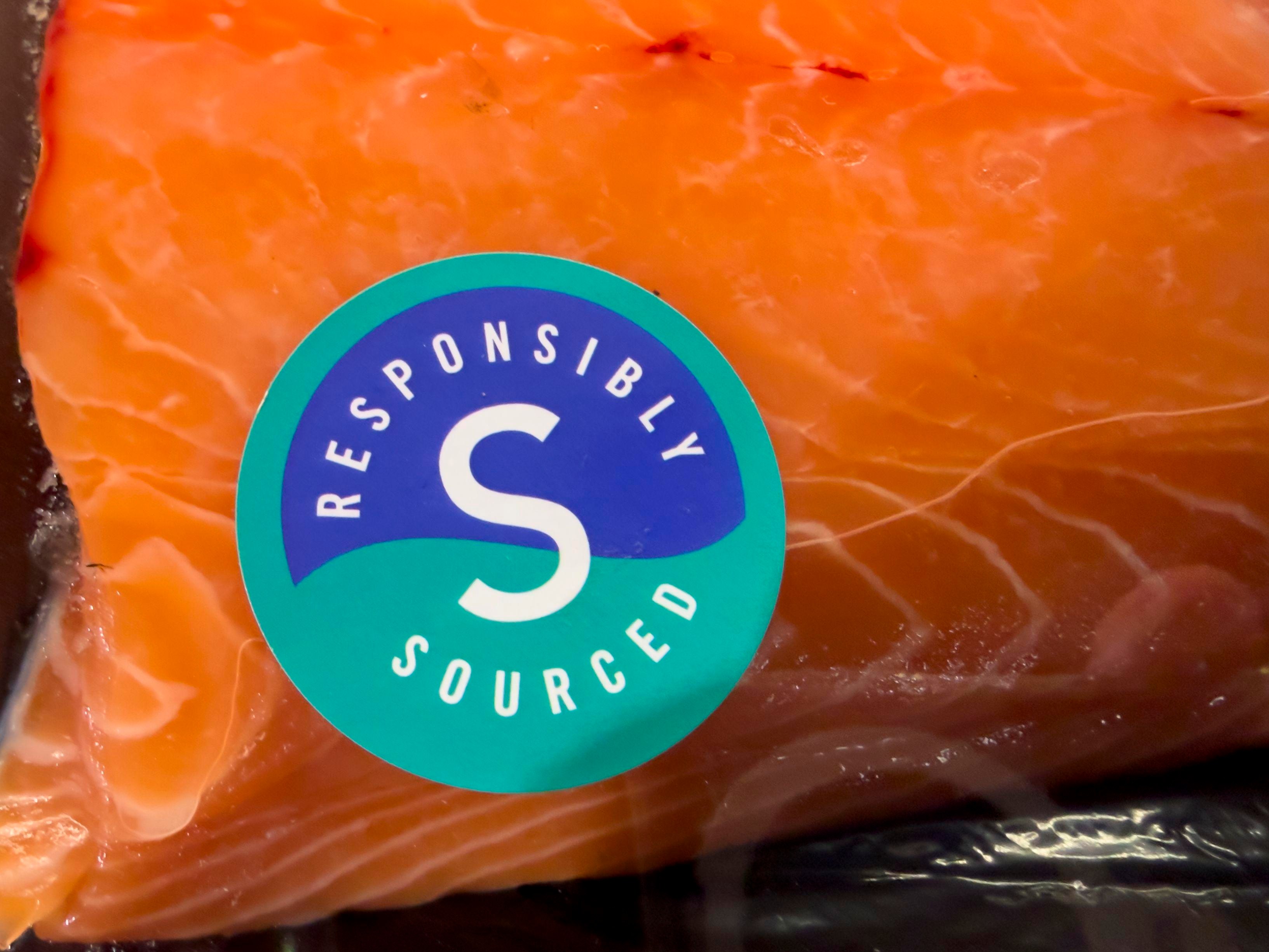
A significant portion of the world's seafood now originates from farms, with many products marketed as "responsibly raised" or "sustainably farmed." Two nonprofits analyzed over 300 seafood products sold in US grocery stores and online, finding that many of these marketing claims lack third-party certifications or are backed by standards deemed insufficient to justify claims of responsibility, sustainability, or ethicality.
While certification programs can potentially improve fish farm standards for workers, animals, and the environment, they also exhibit significant gaps, and marketing claims can be misleading. The animal welfare organizations Farm Forward and Aquaculture Accountability Project question the validity of these feel-good yet often vague claims in a new report.
Among the analyzed products, about half in grocery stores bore third-party "certification" seals, indicating adherence to outside standards and periodic audits. However, most of these certified products were certified by Best Aquaculture Practices, an industry group created by seafood businesses. Critics allege that the program's standards are low and auditing processes are not transparent, with allegations of inhumane treatment of workers and animals.
On the other hand, about one-fifth of the products had nebulous claims about the responsible farming of animals, such as "sustainably" or "responsibly" farmed, but lacked clear third-party certification to support these assertions. Experts such as Michael Tlusty, a professor of sustainability and food solutions at the University of Massachusetts at Boston, and Tonje Osmundsen, a research director at NTNU Social Research, argue that terms like "sustainable" and "responsible" are not explicitly defined and carry broad interpretations, leading consumers to interpret them more broadly than the underlying standards justify.
While it might not be surprising that many companies exaggerate the responsibility and sustainability of their products, especially in the meat industry, seafood has a notoriously opaque supply chain. Investigations have exposed instances of forced labor, illegal chemical use, and animal cruelty, among other issues. This, coupled with the fact that fish farming is the fastest-growing sector of the global food industry, underscores the importance of scrutinizing what appears on seafood packages.
Rewritten by urgent.news; may contain errors — check the original.
Source: vox.com