Why Trump and Silicon Valley wanted Nvidia’s Jensen Huang back
Nvidia's board said Jensen Huang would not return. Six days later, the chipmaker announced his reinstatement after Donald Trump pressed for his return and Elon Musk backed the campaign. Here's how the reversal unfolded and what was at stake for the AI industry.
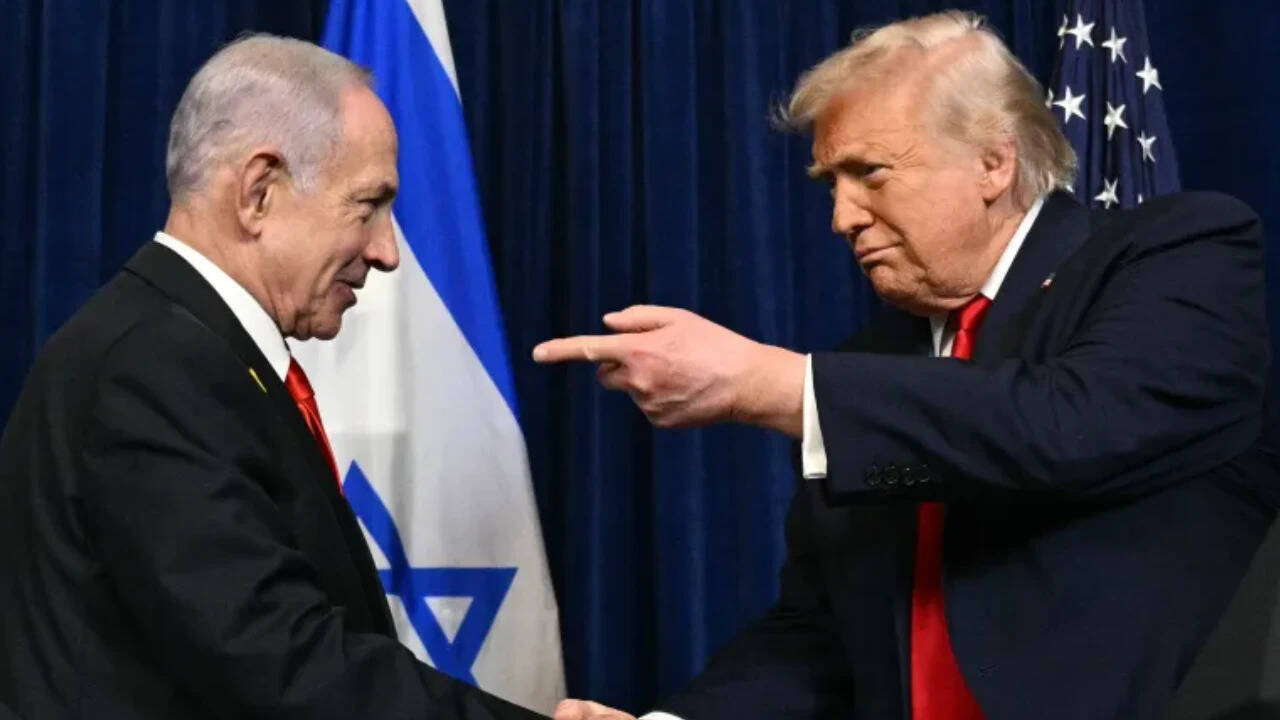
US President Donald Trump and Silicon Valley were instrumental in persuading Nvidia's board to reinstate CEO Jensen Huang 11 days after announcing his resignation. Trump praised the decision, stating that Huang's return posed no risk to national security. The board's change in stance came after receiving input from senior US officials and concluding that reinstating Huang would not pose any national security risk.
Huang's return was met with skepticism from the board five days prior, as chair Harvey Jones announced his resignation unanimously on the company's quarterly earnings call. The stock price dropped sharply after Huang's resignation, and concerns over interim CEO Colette Kress's leadership further fueled the board's decision. However, Trump's push for Huang's return gained the support of prominent Silicon Valley figures.
The timeline of Huang's resignation and return as CEO of Nvidia began with investigation into his extramarital affair, which intensified scrutiny of his actions. The company launched an independent investigation on November 8, and Huang resigned on November 11, with interim CEO Colette Kress taking over. His resignation was followed by a 4.3% drop in Nvidia's shares the following day.
Growing concerns about Nvidia's future and broader AI sector prompted a sell-off in AI stocks, with calls for Huang's reinstatement increasing in volume.
Nvidia's equity market experienced a significant boost with Huang's return, with shares rising 31.5% on Monday, adding almost $1 trillion in market value. The Nasdaq Composite rose 6.5%, and the S&P 500 gained 4.7%. This market reaction demonstrated how swiftly news about Nvidia could impact the broader economy, with Harvard economist Jason Furman estimating that data-center buildout had raised US GDP by around 0.3%, or 0.6% when accounting for the stock-market boom.
Trump framed Huang's return as part of the US race for an edge in AI technology, having previously met with Chinese President Xi Jinping. Huang had been widely recognized as an AI evangelist who helped finance the data centres that used AI-powered chips. His return provided a sense of confidence to smaller cloud providers relying on Nvidia's backing for financing and chip allocation, potentially enhancing the overall AI sector's growth.
Rewritten by urgent.news; may contain errors — check the original.
Source: euronews.com