Why the US Army is about to blow up nearly 10,000 pounds of unstable explosives in Iowa
The US Army is moving ahead with plans to detonate the nation's stockpile of lead azide at an ammunition plant in Middletown, Iowa, at approximately 9:00AM CST on Wednesday. The Verge reached out to experts on what to expect, and will keep this post updated. What material is the Army planning to detonate? There are […]
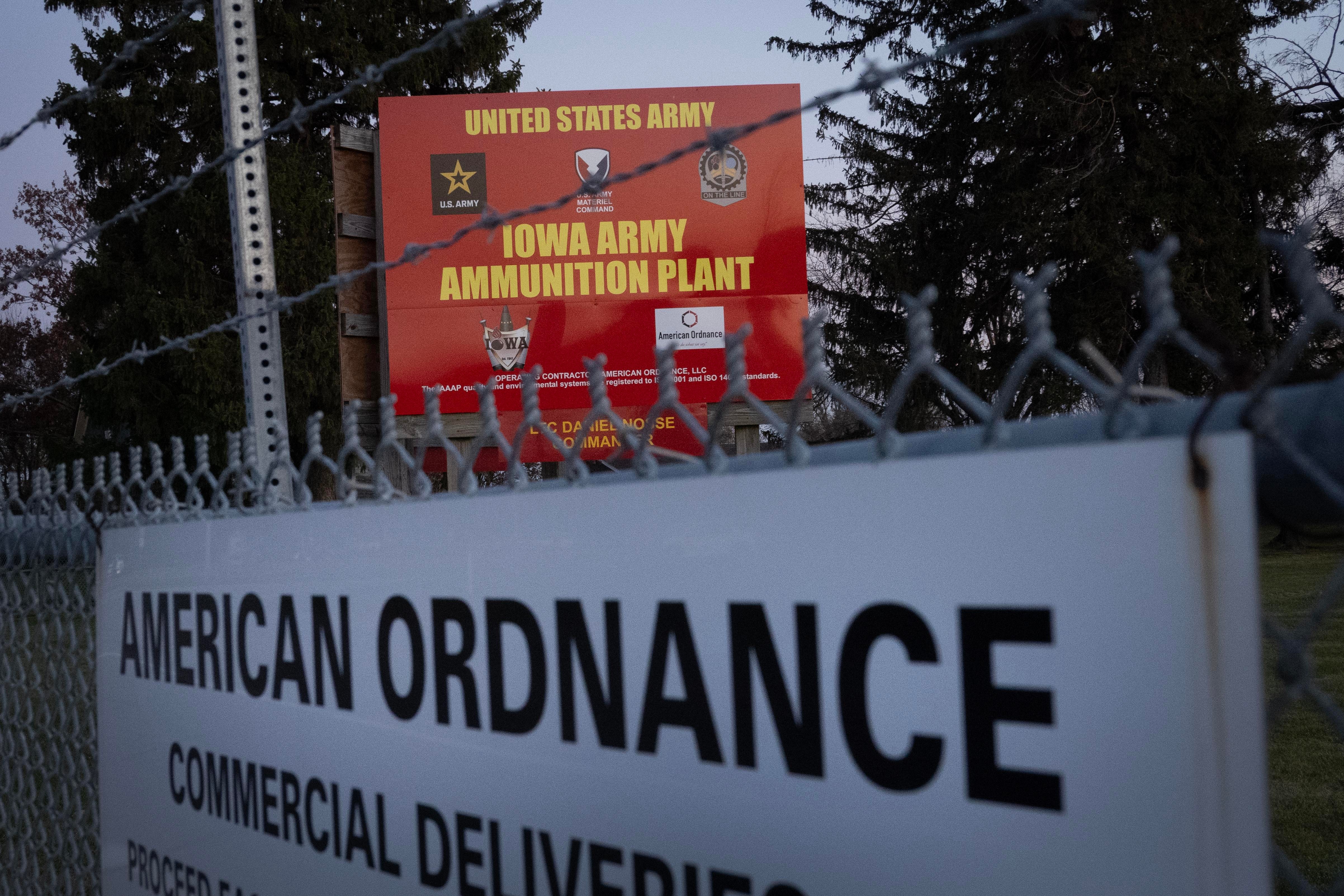
The US Army is set to detonate approximately 9,700 pounds of a hazardous chemical called lead azide at an ammunition plant in Middletown, Iowa, around 9:00AM CST on Wednesday. This stockpile of lead azide has been deemed unstable and potentially dangerous due to the risk of lead pollution spreading in case of an explosion. Robert Cekada, director of the Bureau of Alcohol, Tobacco, Firearms and Explosives (ATF), stated that the US Army is moving forward with this plan despite the risks involved.
Lead azide, which was once used as a primary explosive, has become increasingly unstable over time due to crystallization and deterioration. Some of the material is more than 60 years old, and exposure to flame, friction, or sudden shocks can cause it to explode even at ambient temperatures. In a March inspection, ATF noticed significant crystallization on the exterior of the barrels, making it too unstable to attempt to add water and ethanol, which would normally help prevent freezing in winter.
The Army has opted for a controlled detonation method to minimize the spread of lead dust, which could potentially reach up to 100 miles from the site. They plan to use four 16,000-gallon water tanks to capture lead particulate and prevent it from escaping into the atmosphere. The 80-year-old earth-covered magazines holding the lead azide are cracked and deteriorating, so they've covered them with tarp and a special containment screen for lead. Foam will be used to flood the area and absorb particulate pollution.
Despite the precautions, the Army acknowledges that there is no "safe" level of exposure to lead, a neurotoxin that poses significant health risks. The Iowa Department of Health and Human Services has advised residents in potentially affected areas to stay indoors, close windows, turn off HVAC systems, and use air purifiers with HEPA filters for at least 24 to 48 hours after the detonation.
FEMA is also helping to relocate residents within a voluntary 5-mile evacuation zone, particularly pregnant women, children, and individuals with chronic diseases, who are at higher risk from lead exposure.
Rewritten by urgent.news; may contain errors — check the original.
Source: theverge.com