Why the Army wants to detonate toxic explosives in Iowa
This story appeared in Today, Explained, a daily newsletter that helps you understand the most compelling news and stories of the day. In Iowa, the Pentagon is preparing to send a toxic plume of lead dust into the sky the day before Thanksgiving — by blowing up about five tons of lead azide, an unstable explosive, […]
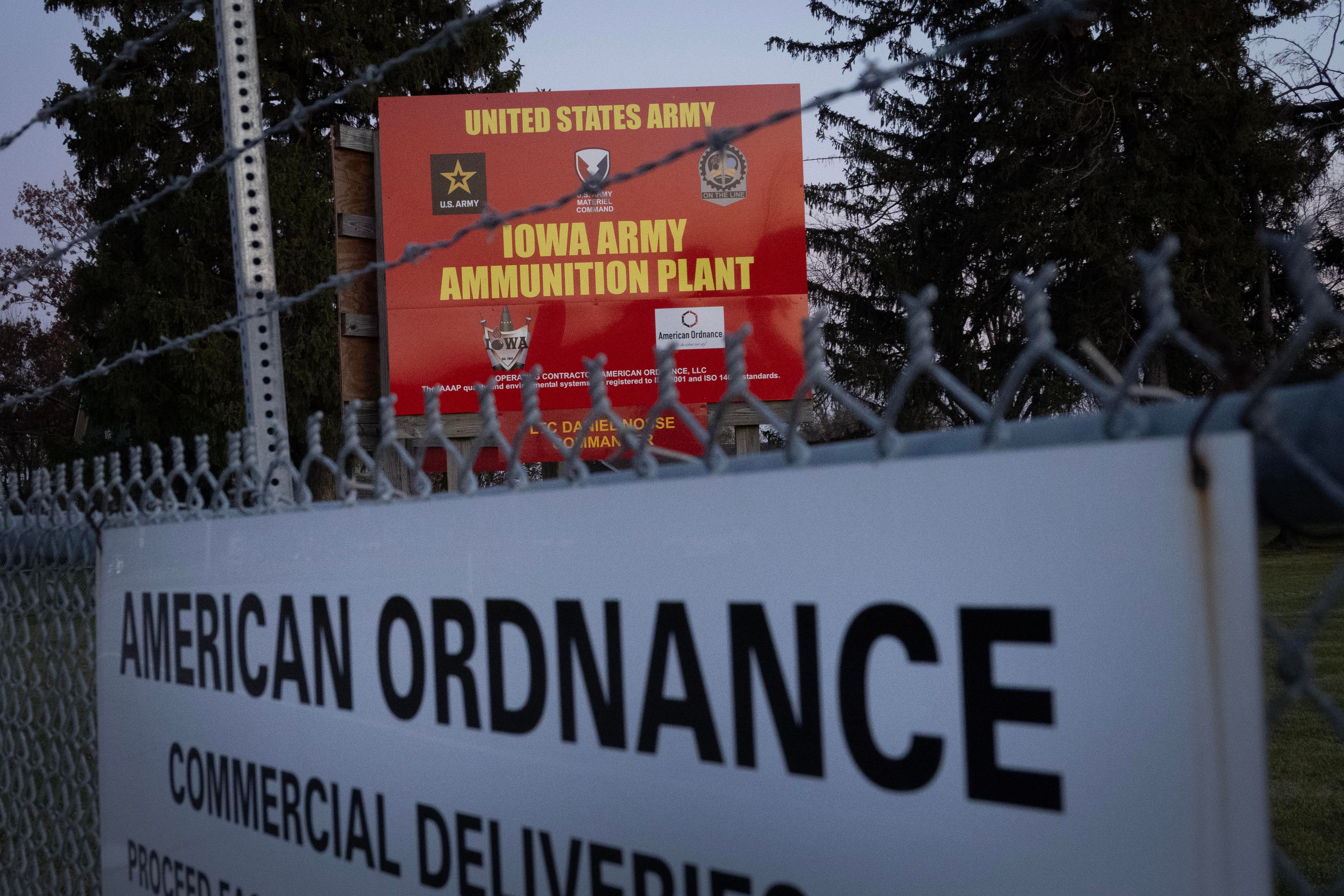
The U.S. Army is set to detonate five tons of unstable lead azide explosives near Middletown, Iowa, on the day before Thanksgiving. This decision comes after a lower court initially halted the plan, but a federal circuit court later cleared the way for the detonation. The Army claims there is a need for haste, as the lead azide is at risk of detonating on its own in an uncontrolled explosion due to falling temperatures in the region.
Such an explosion would be more dangerous and unpredictable, potentially causing worse lead pollution.
Residents in Iowa are angry and alarmed by the lack of clear information and poor communication from the Army regarding the potential health hazards. President Donald Trump even tried to pass the decision to the incoming Democratic governor-elect of Iowa, Rob Sand, but the detonation is now set to proceed with court approval.
The lead plume produced by the blast could spread up to 100 miles from the site. The American Lung Association has advised anyone near the blast to remain indoors for one to two days after the detonation. The Health & Human Services Department has also recommended that children and pregnant women evacuate from the path of the plume. Despite progress in reducing lead exposure in the U.S., lead remains a serious public health threat due to its toxicity and the difficulty of fully eliminating it from the environment.
Rewritten by urgent.news; may contain errors — check the original.
Source: vox.com