When Disaster Strikes, Medicaid Work Rules Add Barriers for Potential Enrollees
Medicaid provides a critical safety net for people to maintain healthcare coverage. But new work requirements create barriers for those trying to recover from natural disasters.
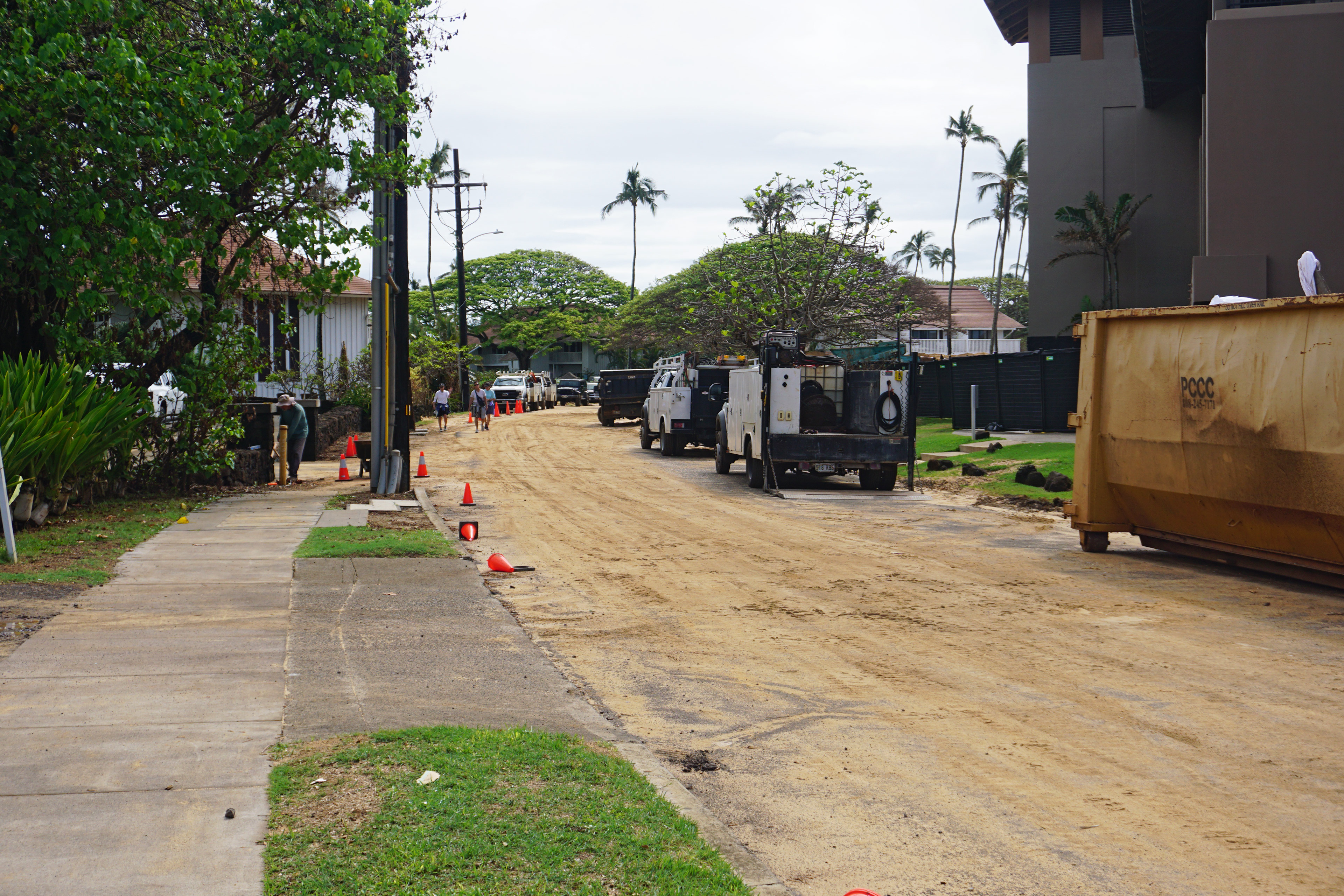
When Hurricane Lowell struck the Hawaiian island of Kauaʻi, it left a trail of destruction in its wake. Downed trees, construction crews, and damaged homes were scattered throughout neighborhoods. The Sheraton Kauaʻi Resort, where over 100 workers faced layoffs, was left in ruins. Unemployment claims surged from 69 before the hurricane to nearly 1,800 in the aftermath, with the tourism industry taking a significant hit.
In the wake of the disaster, Medicaid applications surged by about 50% among Kauaʻi residents, according to the Hawaiʻi Department of Human Services. This underscores the vital role Medicaid plays as a safety net for individuals maintaining healthcare coverage during emergencies. However, new work rules introduced by the "One Big Beautiful Bill Act" have cast a shadow over the well-being of Medicaid enrollees in disaster-struck counties.
The One Big Beautiful Bill Act mandates that many nondisabled adults enrolled in Medicaid work, volunteer, or attend school for a minimum of 80 hours per month. This requirement kicked in across 43 states and Washington, D.C., starting in January. However, in areas affected by natural disasters, residents are usually granted a short-term exemption from these work requirements.
Eligibility depends on a federal law that permits the president to declare a disaster or emergency, which then authorizes federal aid. Yet, this declaration can take months and may not always materialize in time.
Rochelle Ganotisi, a mother of five whose family was laid off from the Sheraton Kauaʻi Resort, is grappling with the uncertainty. With unemployment payments and part-time work keeping her afloat, Ganotisi plans to apply for Medicaid if she is not rehired by the end of her current health insurance coverage. The situation highlights the critical need for timely disaster declarations and exemptions to ensure these individuals retain their healthcare coverage during challenging times.
Hawaiʻi Governor Josh Green, a Democrat and physician, stressed the urgency of swiftly issuing disaster declarations, especially given the impending changes to Medicaid eligibility rules. The Centers for Medicare & Medicaid Services (CMS) allowed states to delay enforcing work requirements until next July, but states are still required to implement eligibility checks by January 1.
Green emphasized that the lack of timely action could have devastating consequences, potentially affecting rural hospitals, healthcare professionals, and the overall well-being of the community.
Currently, at least 34 states, including Washington, D.C., are set to adopt optional hardship exemptions to the work requirements. So far, four states — Indiana, Iowa, Missouri, and Ohio — have decided not to adopt these exemptions. All four states issued disaster declarations for severe storms and flooding this summer, according to the Department of Health & Human Services.
CMS spokesperson Timothy Foster pointed out that states can request a longer duration for hardship exemptions if they can demonstrate persistent barriers to demonstrating work requirements in disaster areas.
Health Response Alliance CEO Tom Cotter emphasized the far-reaching implications of the new work requirements. He explained that when individuals lose their coverage, they often end up in emergency rooms and charitable clinics, which are already stretched thin due to an influx of patients. This further burdens the healthcare system and could slow down the economic recovery of affected communities, he warned.
Cotter argued that additional work requirements could hinder the economic recovery of entire communities, requiring people to prioritize healthcare expenses amidst numerous other pressing concerns.
Nebraska implemented Medicaid work requirements early, in May, providing a preview of how the hardship declaration might offer relief. However, the relief was delayed, with Nebraska declaring a federal disaster for March and April wildfires only in August. Six Nebraskans impacted by the disasters lost coverage due to non-compliance with work requirements.
In October, the Nebraska Department of Health and Human Services reported that they are reprocessing eligibility for those who now qualify for a hardship exemption. Sarah Maresh, director of the Health Care Access program at Nebraska Appleseed, highlighted the confusion surrounding the early rollout of Medicaid work requirements, emphasizing the uncertainty that has accompanied this change.
Rewritten by urgent.news; may contain errors — check the original.
Source: kffhealthnews.org