What your protein choice really means for recovery as you age
From muscle recovery to maintaining strength through menopause, here's why adequate protein intake matters for women over 30.
Protein's importance extends far beyond muscle building, weight loss, and athletic performance. After physical activity, the body needs protein to repair and rebuild itself, particularly for women aged 30 to 60 whose muscle mass, strength, and bone health are affected by hormonal changes and aging. Juliet Fearnhead, a dietitian who worked with the Springboks, explains that protein provides amino acids needed for muscle repair, maintaining lean mass, and adapting to physical activity. Protein supports daily muscle repair and promotes satiety, keeping you fuller longer between meals.
As women reach their 30s, muscle mass can start to decline, making the pre-menopausal years crucial for building and maintaining strength. Hormonal fluctuations during perimenopause and menopause can also impact muscle function and bone density. After menopause, preserving muscle becomes vital for maintaining mobility, balance, and independence.
With the rise of GLP-1 medications, which can lead to lean body mass loss, preserving muscle becomes even more critical. GLP-1 weight-loss drugs can aid in weight loss, but they may cause accelerated muscle loss, under-eating, slowed metabolism, and fatigue. To counteract these effects, women should prioritize muscle preservation through adequate protein intake and regular resistance training. Protein also contributes to bone health, but a diet rich in calcium and vitamin D is essential.
For women in their 30s, the general protein recommendation is 0.8g per kilogram of body weight, with physically active women requiring more. During perimenopause, around 1g to 1.2g per kilogram may help support muscle maintenance. After menopause, the European Society for Clinical and Economic Aspects of Osteoporosis and Osteoarthritis recommends 1g to 1.2g per kilogram daily. Strength training women should aim for 1.2g to 1.7g per kilogram, depending on training demands.
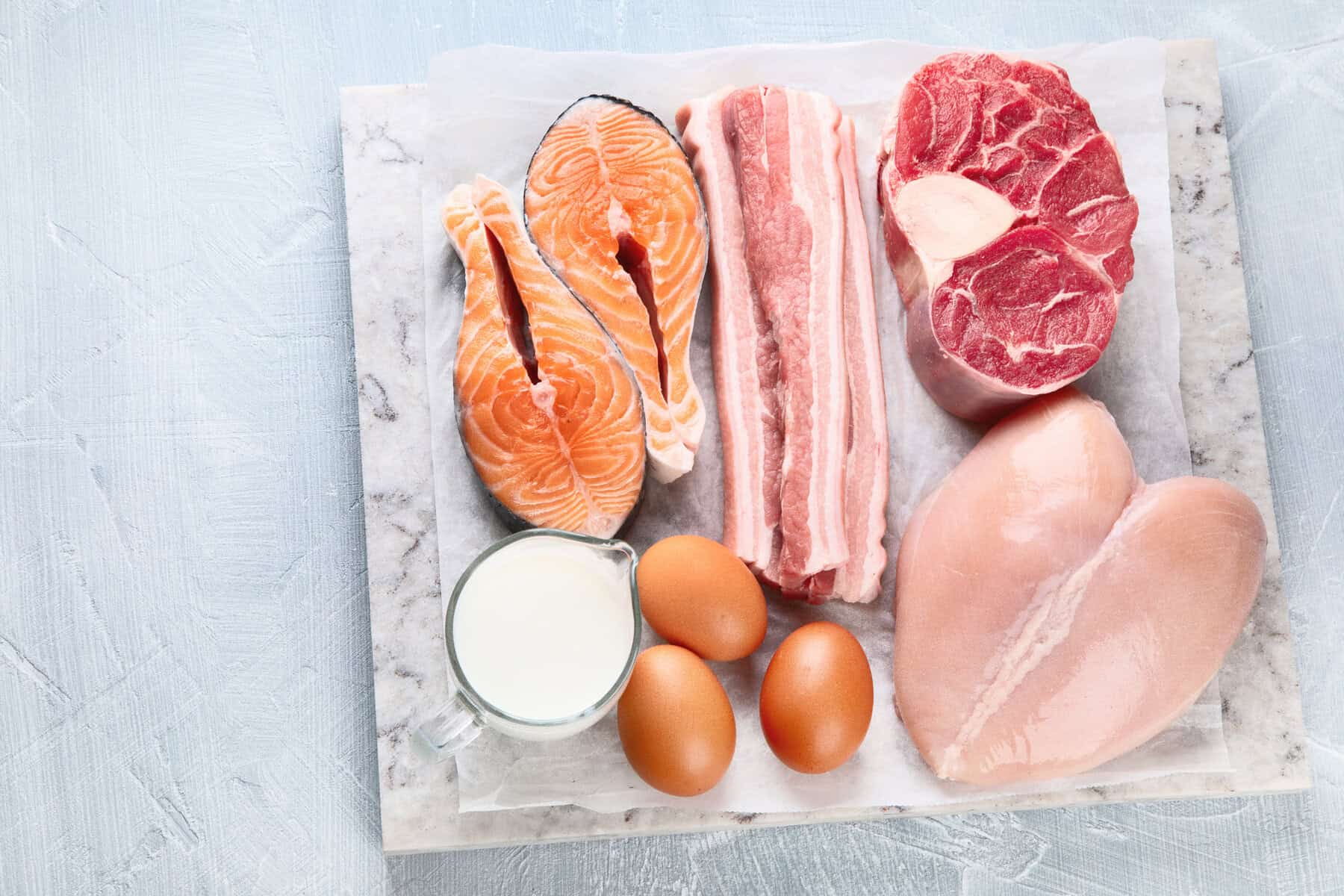
For postmenopausal women weighing 70kg, this means consuming 70g to 84g of protein per day. Distributing protein intake throughout the day rather than concentrating it at dinner can also support muscle maintenance and recovery. Different protein sources, including chicken, beef, beans, fish, eggs, dairy products, and plant-based foods like beans and soya, can all contribute to daily protein needs.
Affordable options include sorghum porridge with milk or amasi, eggs for breakfast, samp and beans or lentil stews, pilchards with pap and vegetables, and adding plain yoghurt to breakfast or snacks.
However, healthy ageing and effective recovery require more than just protein. A balanced diet that includes carbohydrates, healthy fats, adequate hydration, quality sleep, and regular exercise is crucial. While protein powders and supplements can be helpful, a varied, food-first approach remains the most practical way for most women to meet their nutritional needs without relying on expensive products.
Rewritten by urgent.news; may contain errors — check the original.
Source: citizen.co.za