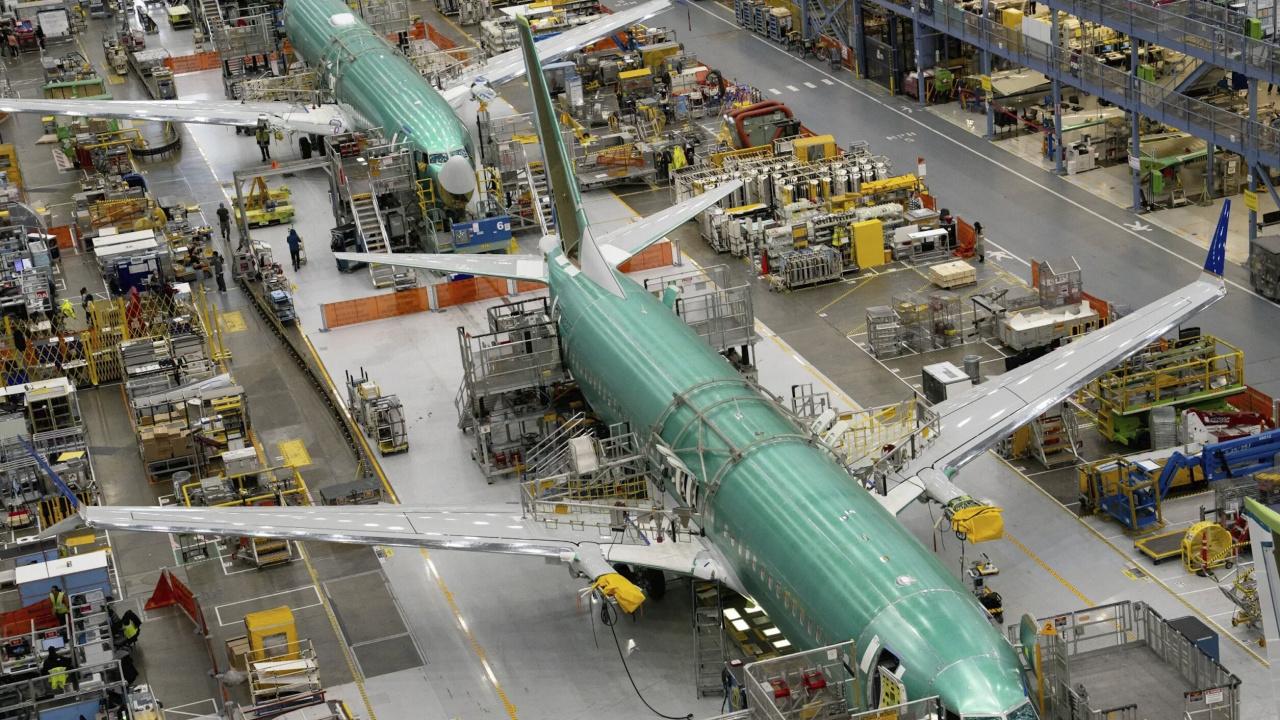
We’re entering a Chinese world
The collapse of COP31 talks and Jensen Huang’s political rescue are both signs of a global system increasingly shaped by Chinese values, models, and interests.
We are embarking on a journey into a Chinese-dominated world, a reality that has arrived sooner than many anticipated. This shift is evident in various aspects, from grand displays of power in Shenzhen to the failure of multilateral climate talks in Türkiye and the political maneuvering surrounding Nvidia's Jensen Huang. These events, while seemingly unrelated, point towards a global system increasingly influenced by Chinese values, models, and interests.
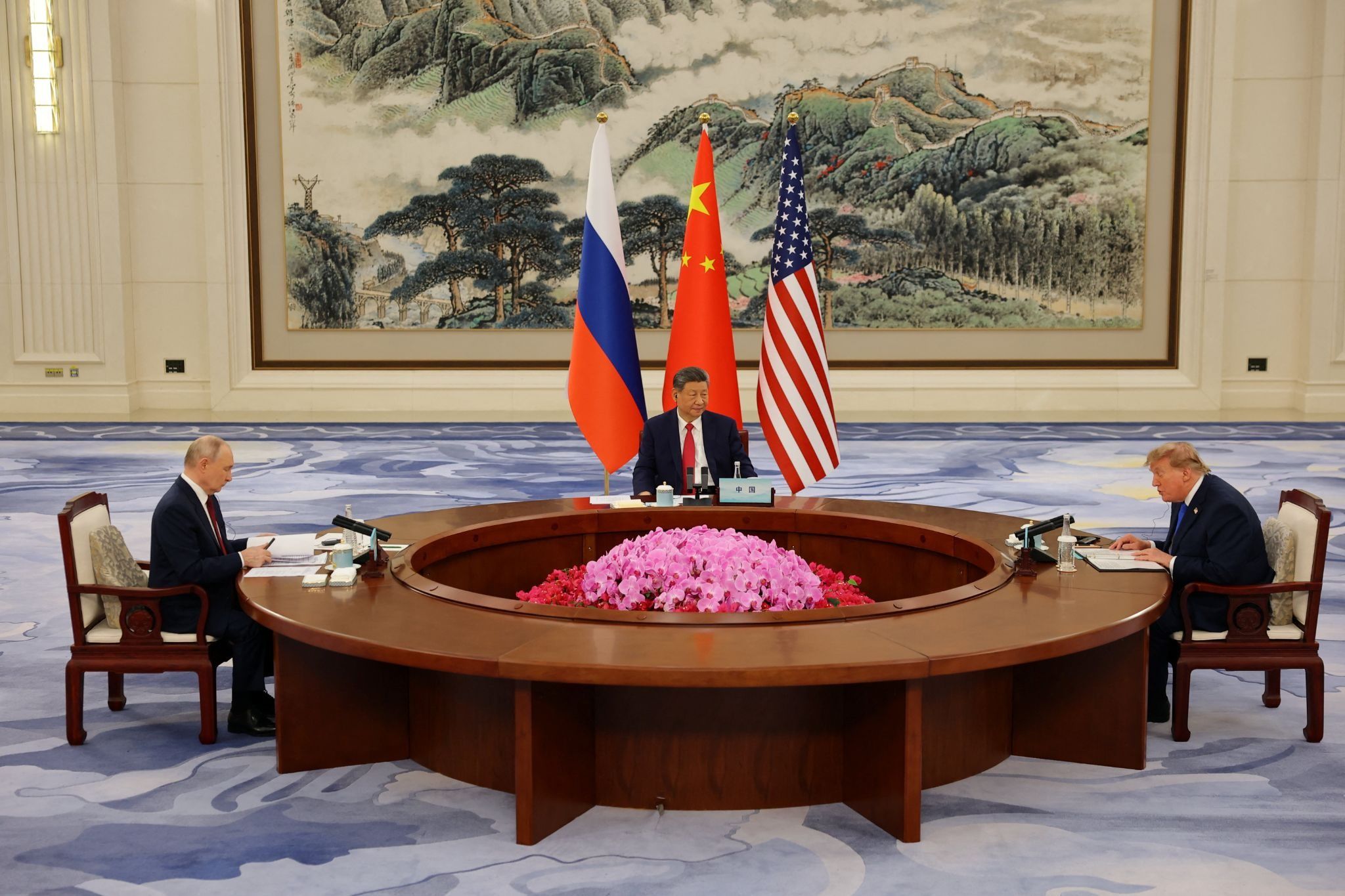
In Shenzhen, President Xi Jinping, flanked by US President Donald Trump and Russian President Vladimir Putin, convened a meeting aimed at heralding the dawn of a new global order. This move was designed to signify the emergence of a new system, akin to a "Shenzhen International System," that would operate independently of the traditional UN framework. In the aftermath, China's foreign minister proudly declared this event as "a landmark that will go down in history."
This new order represents a departure from China's traditional role as a leader of the Global South in a multipolar world. Instead, it proposes a new vision for planetary governance: a hierarchy led by a trio of autocratic leaders wielding power, parading force, and bringing smaller nations under their control. The world can now expect more grandiose displays of rhetoric from this new format, and a growing global drift, where China does not fill the void left by the US's retreat.
In Türkiye, the United Nations climate talks collapsed, partly due to the absence of a proactive America. Unlike the Trump administration, China maintains its belief in climate science but is unwilling to shoulder the responsibilities of pushing a policy agenda to combat climate change. China's message to developing nations grappling with heatwaves, droughts, and floods is to purchase its green technology.
Meanwhile, the US is adopting its own form of Chinese state capitalism. Jensen Huang, CEO of Nvidia, has returned to the forefront of American business, aided by Trump's intervention, similar to how Xi controls key private sector companies. This situation echoes the past when a U.S. president could influence corporate decisions, although today, boards must consider the White House's input in personnel matters.
The accelerated rise of the Sinosphere is not solely about China seizing power; it is also a response to the US's retreat. The collapse of the once-revered "liberal global order" has fueled Beijing's ambitions. In Shenzhen, Asian-Pacific leaders attended an annual summit, witnessing the surreal sight of a US president engaging in a photo-op with two strongmen, Putin and Xi, who challenge US hegemony and embody the "Axis of Autocracy," along with North Korea and Iran.
Xi's triumph was in hosting the event, while Putin emerged as a winner, officially treated as an equal to China and the US. Trump, on the other hand, secured nothing tangible. Despite his high-profile handshake with Putin, which was interpreted as a friendly gesture, Trump failed to achieve any significant progress in resolving conflicts in Ukraine, Iran, or nuclear stockpile reductions.
This post-American world orchestrated by Beijing is reminiscent of a "viral moment" from history. U.S. economic historian Niall Ferguson likened Trump to a modern-day Nixon, a realist ready to forge deals with tyrants to further American interests. However, unlike Nixon's breakthrough during his 1972 meeting with Mao Zedong, which helped end the Cold War and open a path out of the Vietnam military quagmire, Trump's actions have yielded no such outcomes.
Rewritten by urgent.news; may contain errors — check the original.
Source: semafor.com