¿Volver o no volver?
A 10 años del Brexit, Andy Burnham busca explorar el regreso de Reino Unido a la Unión Europea en medio de divisiones políticas y el avance del nacionalismo.
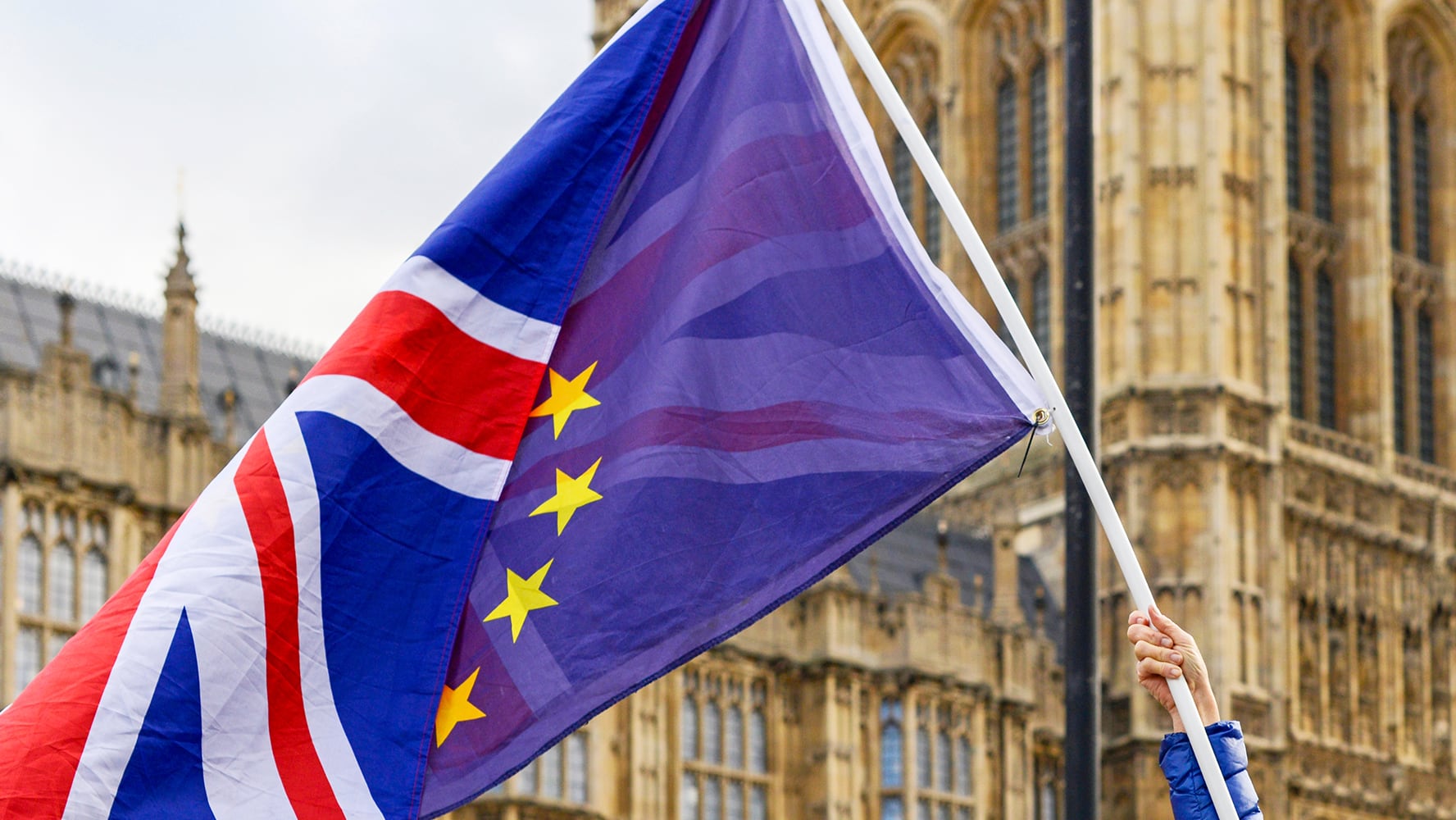
In 2023, the 10-year anniversary of the UK's Brexit from the European Union is being commemorated. Over the past decade, analysts and economists have evaluated the consequences of this separation. The British pound weakened, financial markets withdrew their attention, and London lost its status as Europe's financial hub. The UK's productivity declined compared to the continent, and it has become less the economic powerhouse it once was.
The country lost its former shine, much like how Great Britain was relegated after World War II. Brexit has led to a political crisis marked by instability, uncertainty, and a loss of direction and identity. Britons have questioned whether they are European or not, amid a deep internal division fueled by the rise of nationalism.
Scottish, Welsh, and Northern Irish representatives have expressed their preference for European ties, but England has remained divided and unyielding. Over the past decade, eight prime ministers have held office in Downing Street, each failing to maintain power for more than two years. This political instability reflects the ongoing struggle to determine whether the UK should return to the EU.
Various approaches have been attempted, from special deals and preferential arrangements to ignoring the citizen debate and privileged dialogue. The newly appointed Andy Burnham, a former Manchester mayor, brings fresh energy to discussions of re-engagement and formal re-entry into the EU. Burnham seeks to reignite the possibility of full membership, a theme that has persisted throughout the last decade.
Former Prime Minister Starmer previously advocated for a reconstruction of the relationship, but now it is up to Burnham, who is advised by his predecessors and unsuccessful colleagues, not to surrender his political capital in the return debate. While Burnham's approach may be politically exhausting and ineffective as a consensus-building element within the UK, new players have emerged.
Far-right nationalist Nigel Farage, who leads a party with a small following but has secured a seat in Westminster, has gained support by promoting the "us alone" narrative without the bureaucratic weight of Europe. In the face of these challenges, the UK once again contemplates joining the EU, a decision that could have devastating consequences for previous governments.
Burnham appears willing to take on the challenge, backed by laborists and liberal democrats. However, the situation in Europe is far from settled. Spain will hold elections soon, with the PSOE facing a potential decline in influence and a resurgence of the right-wing in a potential federal Spain. France will hold elections in March-April, with Marine Le Pen at the forefront of her anti-Europe campaign.
Germany, Denmark, and other European countries will also be holding elections, creating further uncertainty regarding the future of the Union. Meanwhile, Eastern Europe faces ongoing challenges, including the Russia-Ukraine war and Putin's destabilizing tactics. In the coming years, Europe and its Union will confront significant existential challenges in shaping the current configuration and the statutes of their integration.
Thus, it appears the worst possible time for the UK and Burnham to commit to the future of the UK's return, as numerous internal crises, radical parties, and extreme positions will dominate the upcoming elections. Ultimately, what emerges from these debates will determine the fate of the European Union.
Rewritten by urgent.news; may contain errors — check the original.
Source: elfinanciero.com.mx