US preparing to raise tariffs on China, EU and a dozen other countries
The Office of the United States Trade Representative has been analyzing for months whether 16 jurisdictions have policies that favor surplus production
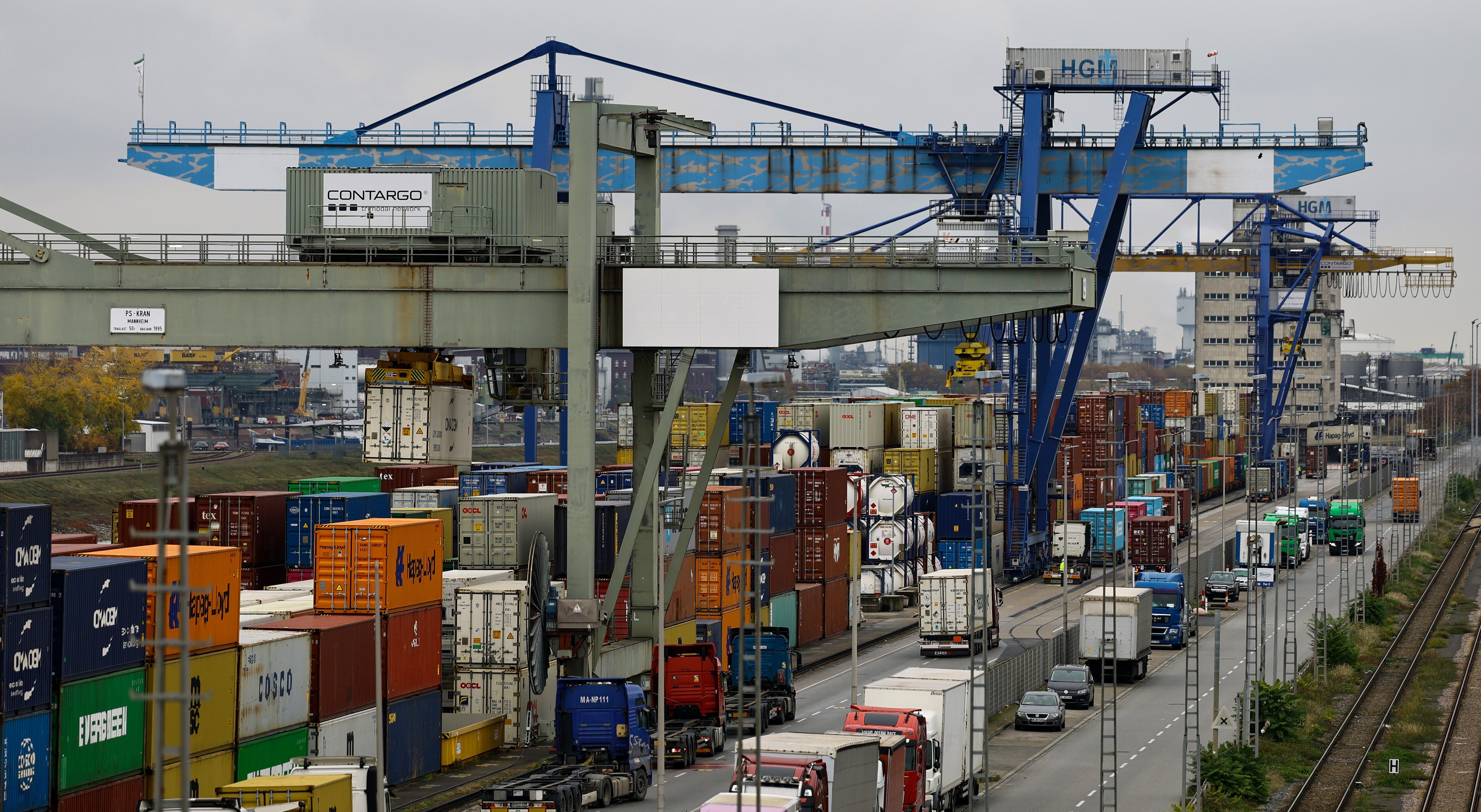
The United States is set to impose additional tariffs on China, the EU, and a dozen other countries, according to The Wall Street Journal. This move comes as the Department of Commerce accuses these nations of harming U.S. industry through subsidies for domestic manufacturers. The Trump administration aims to fully restore the trade wall it established in April 2020 with broad-based tariffs, though this was initially overturned by the Supreme Court.
The U.S. Trade Representative (USTR) is expected to announce the findings of the tariff investigation under Section 301 of the Trade Act of 1974 this week. The investigation has been ongoing for several months, examining whether 16 jurisdictions engage in practices that favor surplus production, which can drive down prices and negatively impact U.S. industries.
The U.S. has been scrutinizing alleged industrial aid from China, the EU, and 14 other countries, following a setback in the Supreme Court. The court invalidated the indiscriminate trade levies, deeming President Trump's invocation of the International Emergency Economic Powers Act (IEEPA) as exceeding his authority. The new tariffs will join the ones approved in July, which targeted nearly a hundred countries for alleged violations of forced labor import rules.
However, these current tariffs are facing legal challenges. While the exact amount of the new customs duties remains undisclosed, they are expected to resemble those set by the Trump administration earlier in 2020, with a maximum limit set by trade agreements. It is anticipated that countries and blocs with trade agreements with the U.S., like Japan or the EU, will receive more favorable treatment to ensure compliance with existing agreements.
Consequently, tariffs are likely to be 15% or less for some nations, while others may face higher tariffs. China may be subject to a higher tariff, as the administration has highlighted the widespread subsidies in China's production, which are deemed particularly harmful to the global economy. Additionally, this move aims to address criticism surrounding the handling of the Nvidia case, where the White House has been accused of being too lenient with China.
Rewritten by urgent.news; may contain errors — check the original.
Source: english.elpais.com