Una más de la telenovela de Nvidia
Enrique Quintana analiza los factores detrás de la caída de las acciones de Nvidia y los riesgos que persisten pese a la restitución de Jensen Huang.
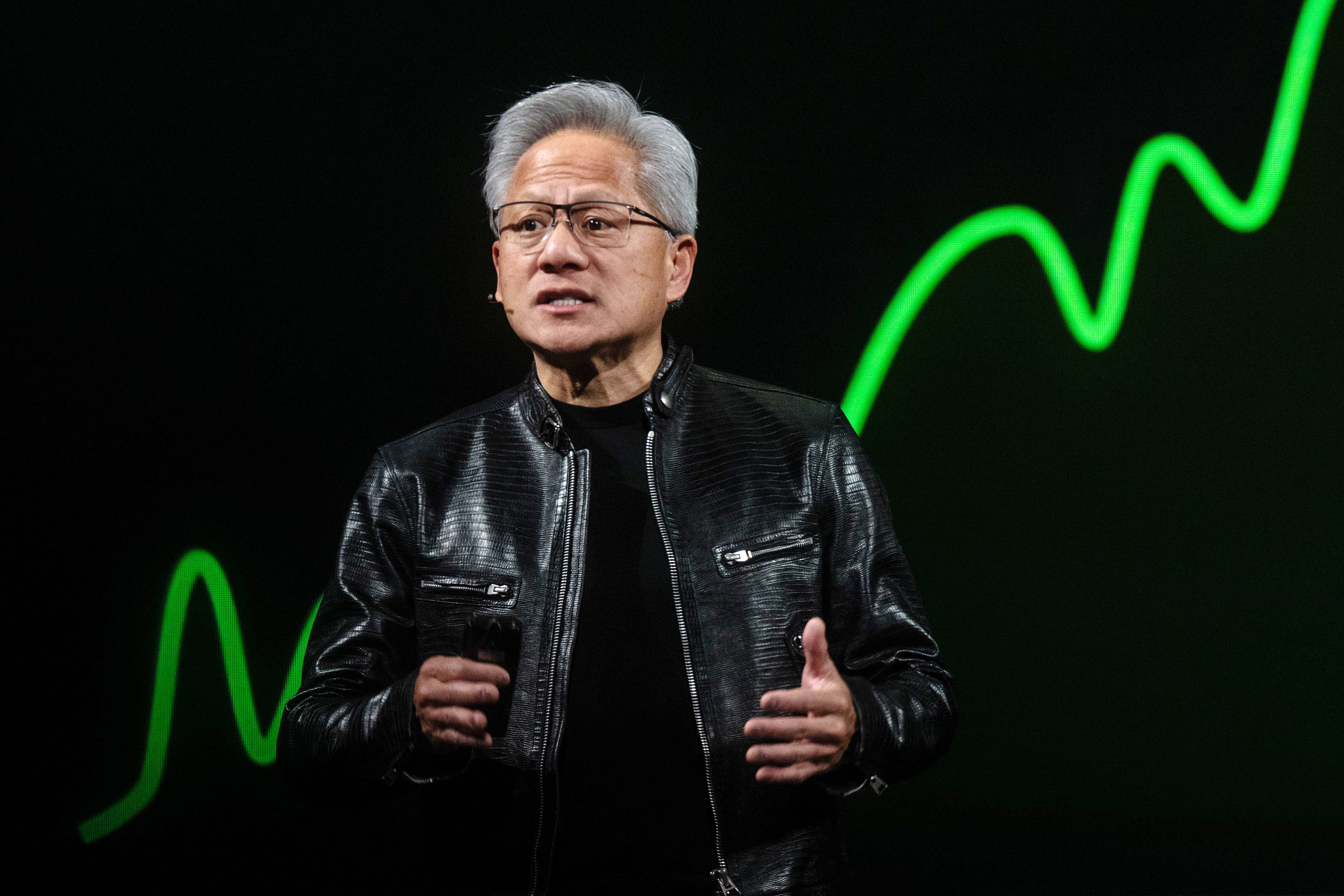
Nvidia had its best day in 23 years yesterday, as its stock rose 31.5 percent following the board's decision to restore Jensen Huang as President and CEO, eleven days after his resignation. The company recovered $952 billion in market value in a single session, which suggests the crisis may be over. However, a closer look at the stock price reveals a more nuanced story.
The highest price was $239.24 on October 6th, the lowest was $125.53 on the previous Friday, and the prices at the time of his resignation and return are $166.19 and $165.05 respectively. The stock essentially returned to the level it was at when Huang left, with an additional $40 per share, equivalent to nearly a billion dollars.
Analyst Dan Ives calculates Nvidia's stock to be worth $300 with Huang and $225 without him. Despite strong quarterly results of $115.8 billion in revenue, double the previous year's figure, and a stated earnings target of $130 billion for the current quarter, the stock continued to decline. The company is facing an SEC investigation, a criminal case over export controls, and an independent review ordered by the board itself.
The SEC investigation, a criminal case, and the board's review have all been open since Huang's resignation. The government's national security endorsement of the board has raised questions about the independence of corporate boards, especially after OpenAI's experience with Sam Altman's departure. Nvidia has since separated board roles, created a national security committee, and appointed a compliance director.
The third price action, from the October 6th high to November 6th, saw a loss of nearly $53 per share, equivalent to $1.3 trillion in value. This drop occurred as a result of a China spy report, economic concerns about AI investments, and the likelihood of a Federal Reserve rate hike. These factors are independent of Nvidia's leadership, which is why the stock remains 31 percent below its all-time high despite Huang's return.
While Nvidia accounts for about a third of the S&P 500's rebound, the broader market, led by the S&P 500's 4.7 percent and Nasdaq's 6.5 percent gains, has largely remained unaffected. The Mexican stock exchange gained 1 percent and ended a six-day losing streak, but the peso continued to depreciate against the dollar. The episode highlights the importance of Nvidia in Mexico's export sector, which is increasingly tied to Nvidia's investment cycle.
Rewritten by urgent.news; may contain errors — check the original.
Source: elfinanciero.com.mx