UCC palaeobiologist on melanin, fish and ancient fossils
People don’t realise just how much biological information can survive in fossil records, says Daniel Cirtina. Read more: UCC palaeobiologist on melanin, fish and ancient fossils
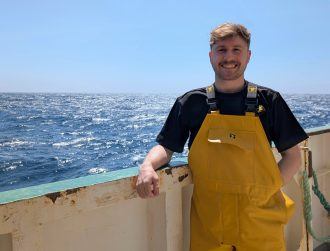
Daniel Cirtina, a palaeobiologist at University College Cork (UCC), has discovered the link between melanin and fish evolution through ancient fossil records. Melanosomes, tiny melanin-rich structures responsible for pigmentation in skin and hair, have been found in 300 million-year-old fish fossils. These melanin features, which have been present since major fish groups evolved around 445 million years ago, may have played a significant role in vertebrate evolution.
The study, published in Nature Communications, was conducted by Cirtina, who is pursuing his PhD at UCC. His research focuses on the evolution of melanin and its biological functions in vertebrates. Cirtina's fascination with palaeontology began during his childhood when he would hunt for fossils along the Jurassic Coast. His undergraduate degree in materials science and engineering sparked his interest in the unique properties of biological materials, including fossils.
By combining his interests in materials science and palaeobiology, Cirtina has been able to explore the role of melanin in the evolution of early vertebrates.
Rewritten by urgent.news; may contain errors — check the original.
Source: siliconrepublic.com