Timor-Leste issues guidelines for whale-watching, but malpractice is rife as industry booms
DILI, Timor-Leste — As the annual whale migration gets into full swing in Timor-Leste, conservationists are raising concerns about increasingly aggressive tourist encounters with the world’s largest animals, despite new guidelines designed to protect them. Whale tourism is booming in a country whose waters are known as a “superhighway” for marine mammals. Migrating pygmy blue […]
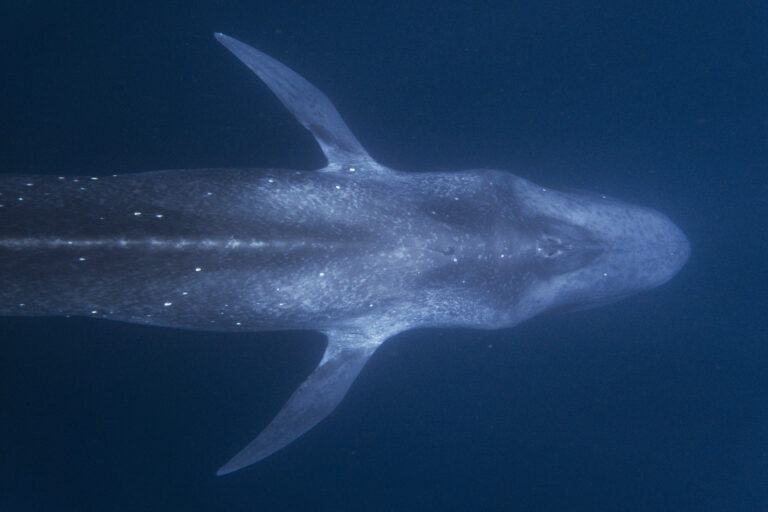
DILI, Timor-Leste — As the annual whale migration gains momentum in the country, conservationists are voicing concerns over the growing number of reckless tourist interactions with the majestic marine mammals. Despite the establishment of guidelines aimed at safeguarding the whales, the whale tourism industry in Timor-Leste is experiencing a surge in popularity.
The region, known as a "superhighway" for marine life, attracts tourists eager to witness the awe-inspiring spectacle of pygmy blue whales. These whales are the primary draw for visitors seeking an unforgettable experience. Although early in the season, haze from wildfires in neighboring Indonesia hampered the visibility of whale spouts, the number of operators on the waters has significantly increased this year.
However, by the end of October, fewer whales had passed through the Ombai-Wetar Strait, located off the northern coast of Timor-Leste. This decline in whale sightings is attributed to the influence of El Niño and the positive Indian Ocean Dipole, which have resulted in cooler waters, thereby delaying the migration of the whales, according to Professor Karen Edyvane, a cetacean ecologist who has been monitoring the pygmy blue whales in Timor-Leste's waters for the past decade.
The competition among whale tour operators to provide memorable experiences for customers has intensified, with tourists paying between $250 and $350 per day to swim with one of the scarce few hundred pygmy blue whales that pass through the waters each year. Unfortunately, an alarming number of malpractices have come to light during the peak tourist season.
Boats have been observed cutting across the paths of whales, operators have been seen pursuing mothers with calves, and an excessive number of swimmers have been present in the water simultaneously. As a result, one tourist was taken out to swim with a...
Rewritten by urgent.news; may contain errors — check the original.
Source: news.mongabay.com