The next UN secretary general needs to restore the art of diplomacy
While it would be wrong to claim that the international community has walked in lockstep ever since the UN was created eight decades ago , the organisation’s role in building momentum and consensus around the world’s most pressing issues is also undeniable. However, the outcomes of two UN conferences that ended within three days of each other suggest that the willingness of its member states to…
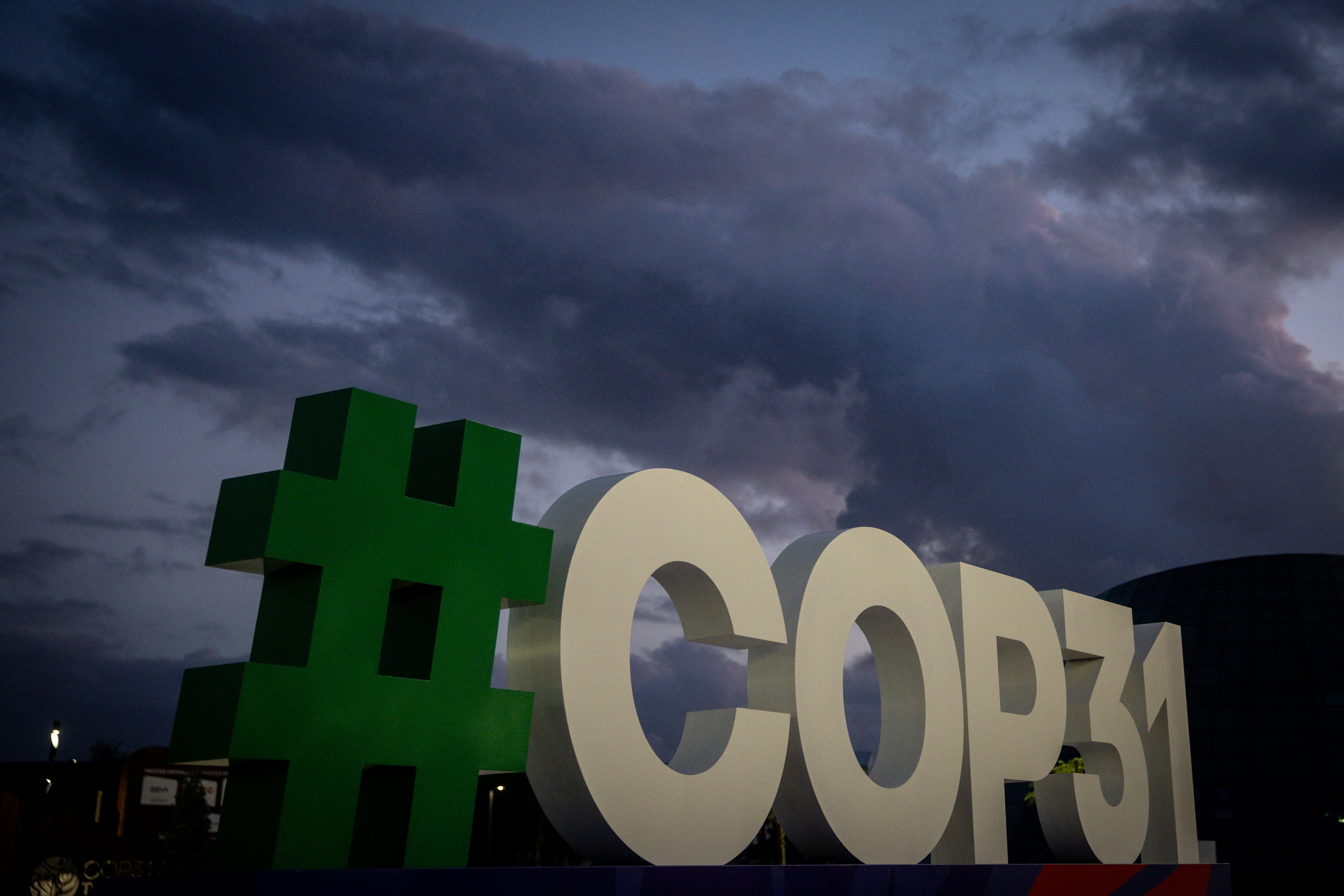
The United Nations, established eight decades ago, has long played a crucial role in fostering global consensus on pressing issues. However, recent UN conferences suggest that the willingness of member states to reach common ground is waning. The postponement of lethal autonomous weapons negotiations in Switzerland and the failure to secure an agreement on climate finance and transition in Turkey highlight the struggle of multilateral diplomacy to translate urgency into action.
The upcoming election of a new Secretary-General on January 1, 2024, presents an opportunity to restore the art of diplomacy and address the institution's crisis of relevance and credibility.
Delegations from 128 member states at the Convention on Certain Conventional Weapons failed to launch immediate negotiations on binding rules for lethal autonomous weapons, opting instead to continue discussions for another two years. Similarly, Cop31 in Turkey faced challenges in bridging divides over fossil fuel language, carbon capture, and adaptation finance, ultimately failing to reach an agreement.
As Amina Mohammed, the UN's deputy secretary-general, acknowledged, "today we lost a battle," emphasizing the need for continued efforts to "fight for climate justice."
While the UN lacks supranational authority and cannot impose decisions on sovereign nations, its Secretary-General holds significant influence. The incoming leader should leverage this influence to build coalitions of willing countries, businesses, and civil society to sustain progress on global issues. Additionally, the Secretary-General must challenge governments when their positions undermine collective security and global welfare, particularly concerning the development of autonomous weapons systems.
With military technology advancing faster than international law, the new Secretary-General must keep the 2028 deadline for addressing autonomous weapons on the diplomatic agenda. Collaboration with military and technological powers is essential to press for enforceable obligations that preserve human responsibility and accountability in warfare.
Furthermore, the UN requires institutional reform to restore its credibility. Streamlining bureaucracy, improving coordination, and aligning resources with priorities are crucial steps in this process. The UAE's Lana Nusseibeh, one of the candidates for the upcoming Secretary-General role, has expressed her commitment to undertaking such reforms.
To begin, the incoming Secretary-General should prioritize streamlining the UN's operations, as multilateralism has struggled to keep pace with the changing global landscape.
Rewritten by urgent.news; may contain errors — check the original.
Source: thenationalnews.com