Tajikistan moves to withdraw from International Criminal Court after Putin’s visit to Dushanbe
Tajikistan has officially notified the United Nations of its decision to withdraw from the Rome Statute and the International Criminal Court (ICC), according to a depositary notification published on the website of the UN Secretary-General. The decision became known after Dushanbe received Vladimir Putin for a visit on Nov. 20. The ICC issued an arrest warrant against the Russian dictator in…
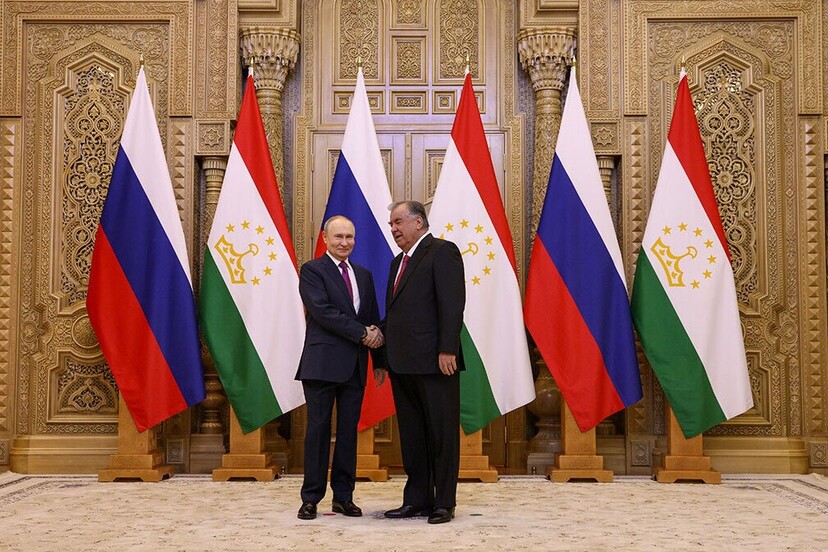
Tajikistan has officially informed the United Nations of its intention to withdraw from the Rome Statute and the International Criminal Court (ICC), as confirmed by a UN depositary notification published on their website. The decision came after the country hosted Russian President Vladimir Putin during a visit on November 20. The ICC had previously issued an arrest warrant against Putin in 2023.
The withdrawal will take effect after a year, on November 20, 2027, at which point Tajikistan will formally cease to be a member of the ICC. The timing of the notification coincides with Putin's recent visit to Dushanbe following the APEC summit in China. During Putin's previous visit to Tajikistan in the fall of 2025, European authorities accused the country of failing to fulfill its obligations to enforce the warrant for Putin's arrest.
The ICC warrant has been in effect since spring 2023, targeting Putin and Russian Children's Rights Commissioner Maria Lvova-Belova for their suspected involvement in the deportation of Ukrainian children to Russia during the war. Tajikistan's decision to withdraw marks it as the first former Soviet republic to exit the ICC, contrasting with Armenia and Ukraine, which have joined.
The move is seen by human rights advocate Leila Nazgul Seiitbek as a strategic decision to align with President Rahmon's patronage over the treaty, taking into account the country's nationals who may become targets of the court. Human Rights Watch documented war crimes during the brief military conflict between Tajikistan and Kyrgyzstan in 2022, and the authorities might face scrutiny due to harsh suppression of protests in the Gorno-Badakhshan Autonomous Region.
Additionally, the UN has highlighted widespread repression in Tajikistan, including against citizens who have fled abroad. After November 2027, any crimes committed within Tajikistan will be beyond the ICC's jurisdiction, unless the UN Security Council directly refers a specific case to the court, a move that Russia is expected to block.
This development raises concerns about victims losing their final judicial recourse and emphasizes the urgency for victims, lawyers, and human rights organizations to submit well-documented communications to the Office of the Prosecutor now. The EU member states are advised to consider referring cases of Tajik transnational repression on their territory, similar to Lithuania's approach with regard to Belarus.
While the ICC members are obligated to arrest Putin, holding them accountable for noncompliance proves challenging, according to ICC prosecutor's adviser Mongolia. The Kremlin has stated that they have "no worries" about Putin's upcoming visit to Tajikistan.
Rewritten by urgent.news; may contain errors — check the original.
Source: theins.press