Strategists outmaneuver pragmatists
President Lee Jae Myung’s Cabinet reshuffle on Monday sent a clear signal that he is ready to repair the Korea-U.S. alliance. Officials who prioritize the alliance have gained the upper hand in the reshuffle. Power struggles are inherently zero-sum games: the rise of one faction inevitably comes at the expense of its rival. Lee nominated Kang Kum-sil, who served as justice minister from 2003 to…
President Lee Jae Myung's recent Cabinet reshuffle on Monday signifies his commitment to strengthening the Korea-U.S. alliance, according to various reports. The reshuffle showcases the prevailing influence of officials who prioritize the alliance over those who favor a balancing act with China. In the realm of power struggles, one faction's ascent invariably correlates with the decline of its counterpart.
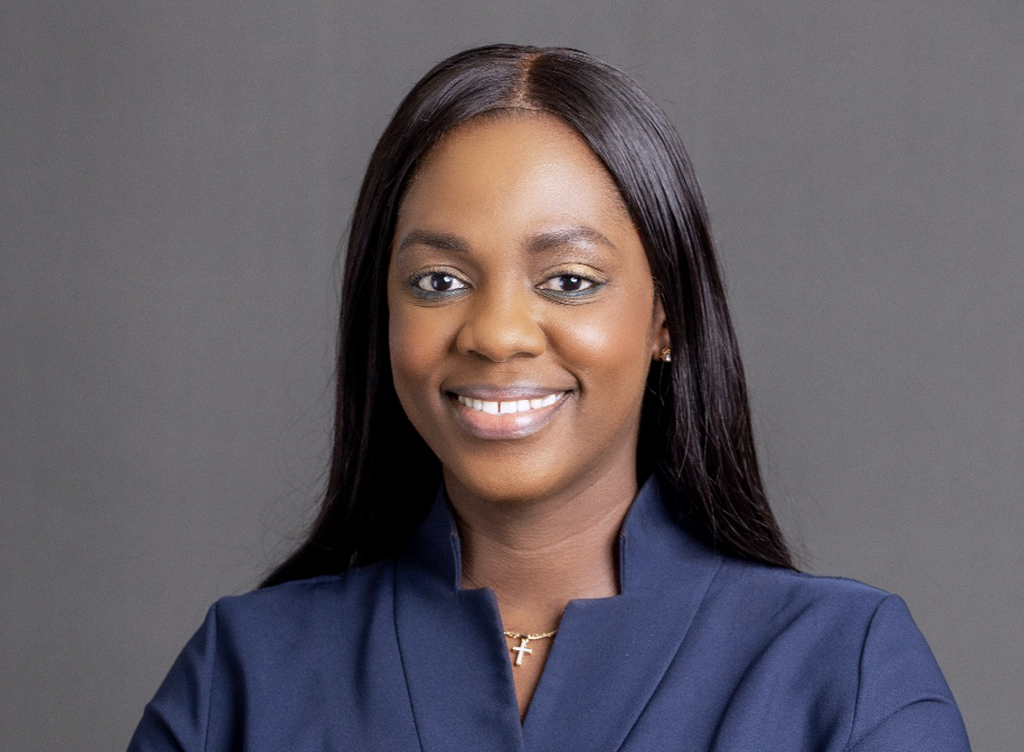
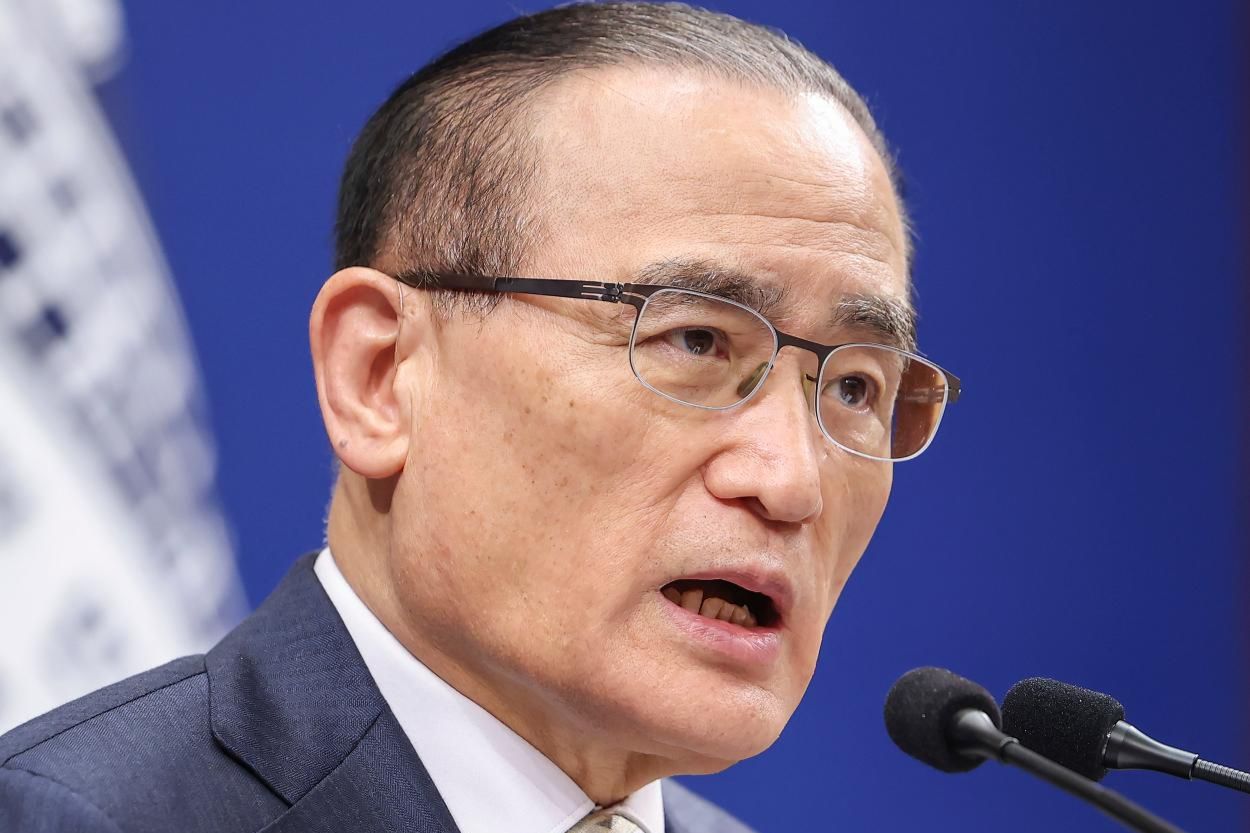
In line with this trend, Lee appointed Kang Kum-sil, who previously held the position of justice minister from 2003 to 2004 under the Roh Moo-hyun administration, as the director of the National Intelligence Service (NIS). Furthermore, three-term lawmaker Hong Ihk-pyo was appointed as unification minister. Upon confirmation by the National Assembly, Kang and Hong will assume the roles currently held by NIS Director Lee Jong-seok and outspoken Unification Minister Chung Dong-young respectively.
Within the Lee administration, two contrasting schools of thought dominate - strategists and pragmatists - who advocate divergent approaches to Korea's foreign and security policies. Strategists, who subscribe to a realist perspective, firmly maintain that the Korea-U.S. alliance serves as the bedrock of the nation's foreign policy. Pragmatists, on the other hand, argue for a strategic equilibrium between Washington and Beijing.
Rewritten by urgent.news; may contain errors — check the original.
Source: koreatimes.co.kr
Other reports of this story
- Strategists outmaneuver pragmatists koreatimes.co.kr