Six key questions raised by Jensen Huang's return to Nvidia
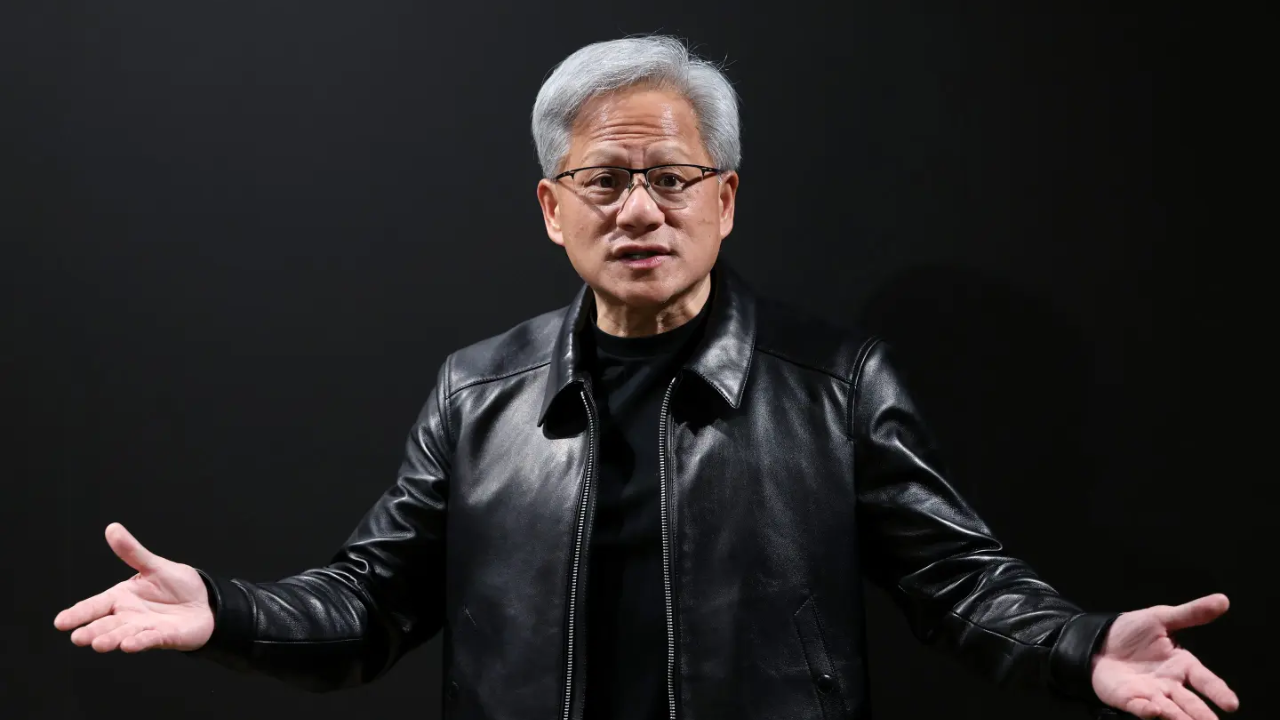
As Jensen Huang returns to Nvidia, questions remained around the board's reversal, Trump's involvement and the tech giant's future.
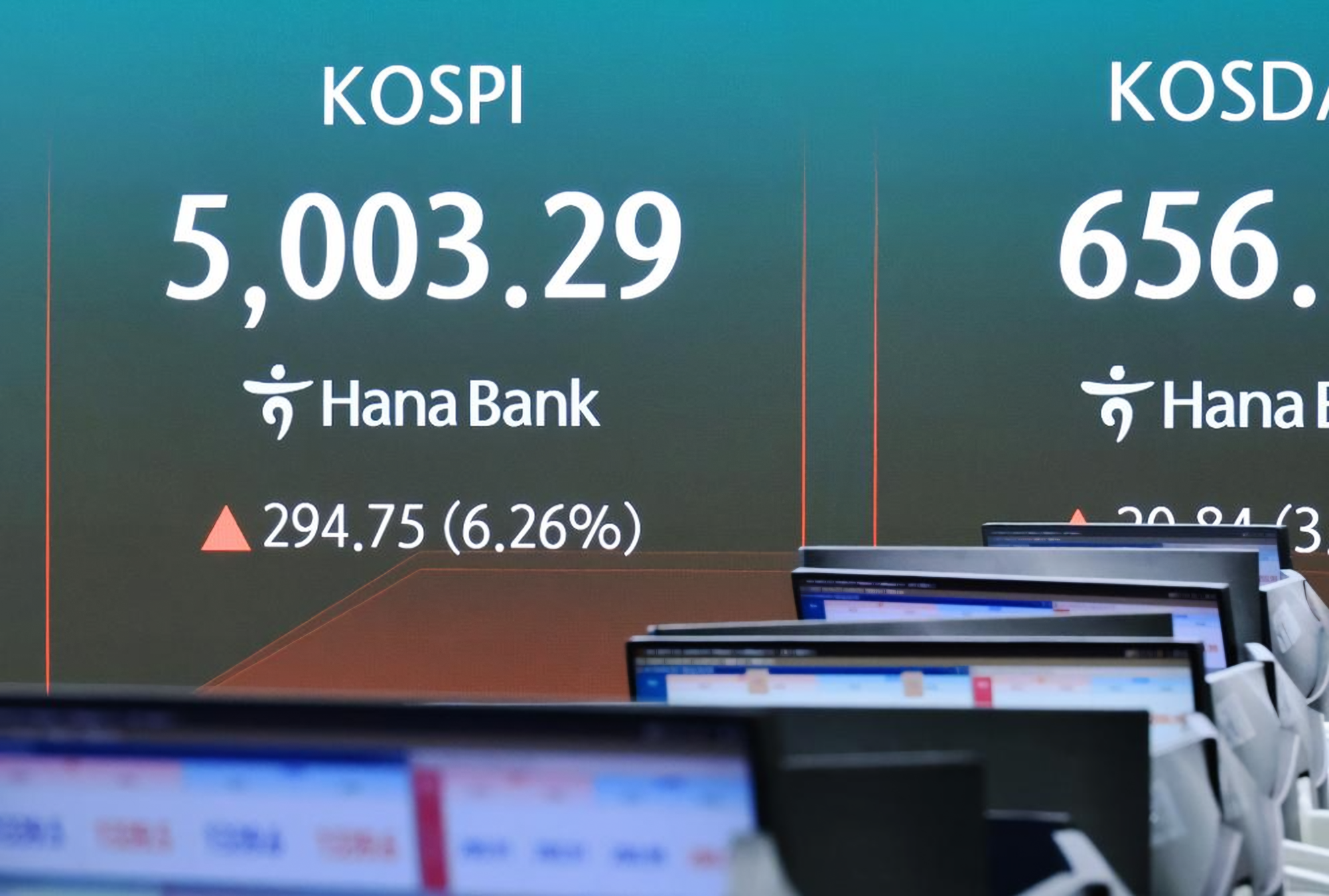
Technology shares led a surge in Asian equities on Tuesday after Nvidia announced it was reinstating Jensen Huang as CEO. Japan's Nikkei gauge soared as much as 5% on Monday's reopening, while South Korea's KOSPI jumped 7.4% and Taiwanese shares climbed 9%. Here are insights from market analysts on the implications of Huang's return:
Yugo Tsuboi, Chief Strategist at Daiwa Securities, said the market rose sharply as investors bought back stocks to unwind short positions. However, fundamental issues remain, with uncertainties around data center construction regulations. Huang will have to testify before US Congress, which could ultimately determine Nvidia's fate.
Tapas Strickland, Chief Market Strategist at Moomoo Anz, in Sydney, believes the announcement could mark a turning point for AI stocks. Nevertheless, Nvidia faces two significant hurdles: Huang's testimony before US Congress on December 3, and tightening chip export controls.
Lee Kyung-min, an analyst at Daishin Securities in Seoul, notes that Nvidia provides $55 billion in equity investments and $111.3 billion in guarantees to major AI firms. With these customers using the capital to purchase Nvidia's GPUs, Huang's return is crucial to maintaining this demand and signing multi-year purchase agreements worth $390 billion with memory suppliers.
Han Ji-young, an analyst at Kiwoom Securities in Seoul, suggests that Huang's return has not only eased the CEO risk but also calmed investor anxiety surrounding the AI ecosystem. However, there will be ongoing investigations into Huang throughout early December, which may cause some market volatility.
Huh Jae-hwan, an analyst at Eugene Investment Securities in Seoul, explains that Huang's return occurred at a critical juncture for the chip sector and AI ecosystem. While CDS premiums for Nvidia have not yet returned to late October levels, the reinstatement reduces concerns about an AI collapse. However, the chip market will need more time to recover its previous highs.
Dilin Wu, a Research Strategist at Pepperstone in Melbourne, highlights the structural implications of Huang's return for Asia. TSMC, Nvidia's key foundry partner, gains greater certainty around order visibility and the durability of its long-term relationship with Nvidia. Nevertheless, the competitive pressure on SK Hynix and Samsung from Asian competitors like China's CXMT remains a concern.
Huang's return does tie Nvidia more closely to US national security, potentially leading to tighter export control enforcement through intermediary markets in Southeast Asia.
Rewritten by urgent.news; may contain errors — check the original.
Sources: straitstimes.com · freemalaysiatoday.com · cnbc.com · nst.com.my · english.ajel.sa · gulfnews.com · investing.com
This story
This is one outlet's version. Read the fullest account.
- Analysts comment on market impact of Huang’s return as Nvidia CEO investing.com
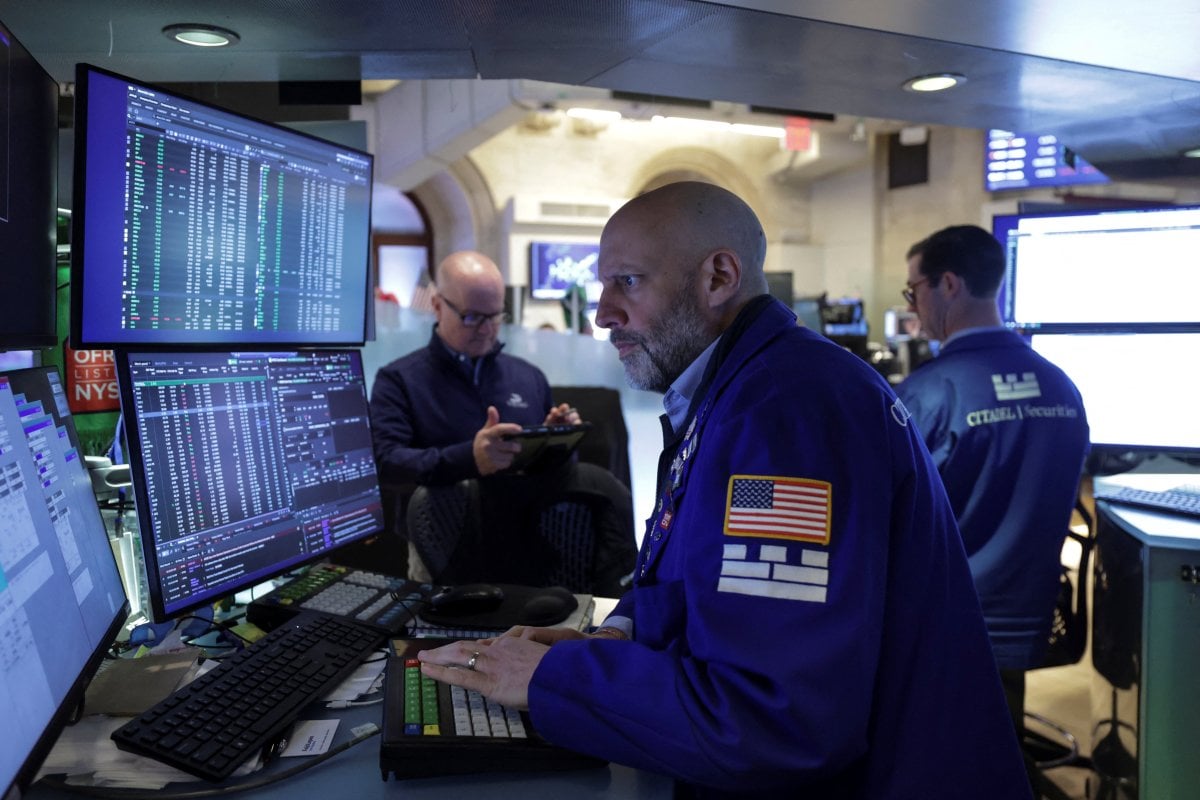
- US stocks surge, cheering return of Nvidia CEO and shrugging off scandal nst.com.my
- US stocks rebound as Jensen Huang returns as Nvidia CEO straitstimes.com
- Japanese, S.Korean stocks surge after Jensen Huang's return to Nvidia gulfnews.com
- US stocks rebound as Jensen Huang returns as Nvidia CEO english.ajel.sa
- Japan, South Korea stocks rally as Jensen Huang returns to Nvidia freemalaysiatoday.com
- Nasdaq-100 futures dip as traders see if Nvidia can build on rebound from Jensen Huang’s return: Live updates cnbc.com