Severe eczema healed by novel immune-calming pill in clinical trial
An experimental drug has been found to be highly effective and safe for treating moderate to severe eczema in a clinical trial and has the advantage of being taken in pill form rather than injected
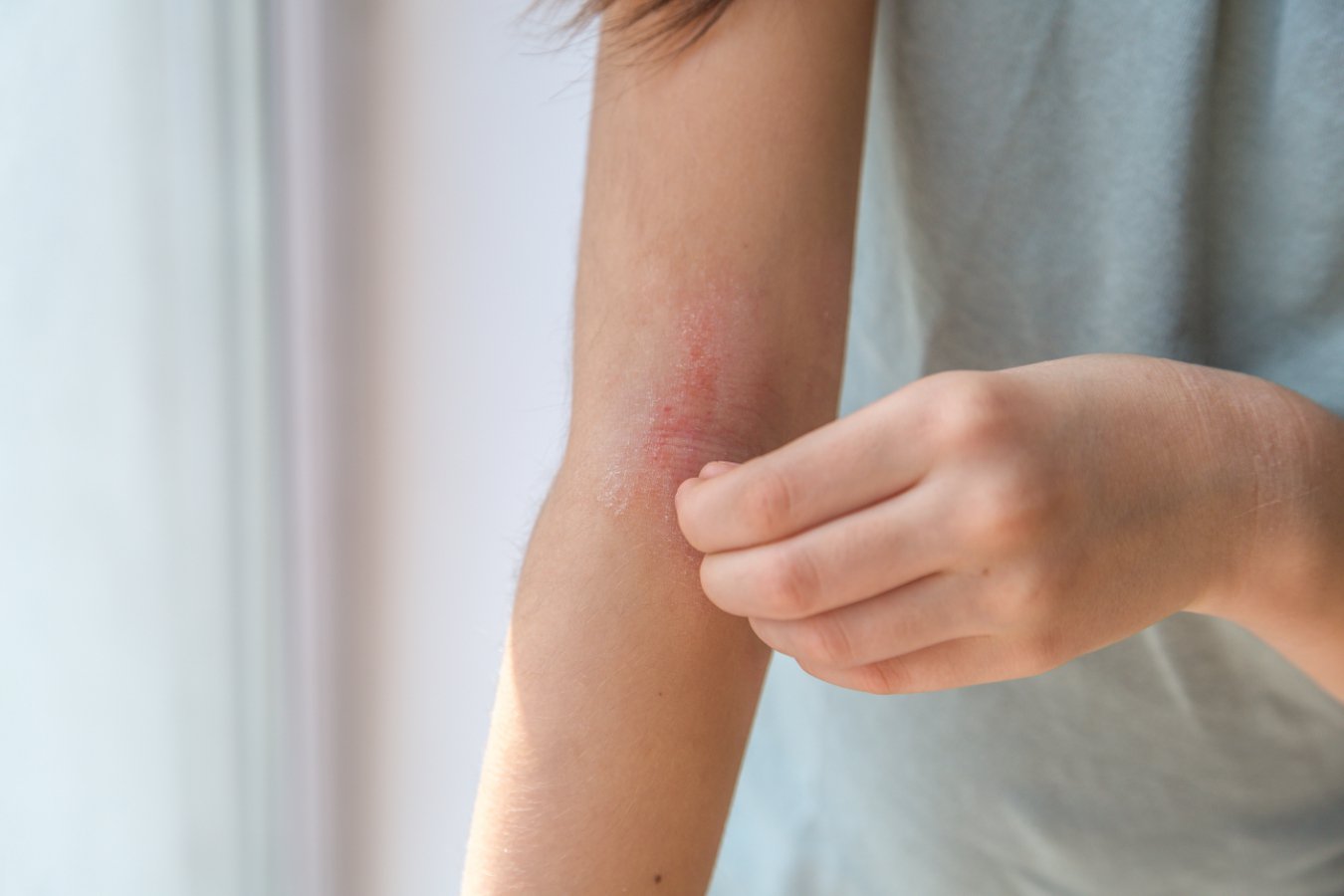
Chronic eczema, also known as atopic dermatitis, is a skin condition marked by itchy, inflamed rashes that can lead to infection. The root cause lies in an overactive immune system that involves proteins interleukin-4 and interleukin-13. Currently, the standard treatment for moderate to severe eczema is an injectable medication called dupilumab, which blocks these proteins but is costly without insurance and has limited uptake in the US.
Kymera Therapeutics has developed a novel oral pill, KT-621, that targets the same immune pathway but degrades a protein called STAT6, which is activated downstream in eczema development. In a recent clinical trial, 244 adults aged 39 on average with moderate to severe eczema were given KT-621 at different doses or a placebo daily for 16 weeks.
The most effective dose led to a 72% reduction in eczema severity compared to a 27% reduction in the placebo group. Remarkably, 38% of those taking KT-621 had healed or nearly healed skin by trial's end, a result exceeding expectations for the small sample size.
Terence Rooney, Kymera's chief medical officer, presented before-and-after photos of one participant who had severe eczema covering his torso, which disappeared after the trial. The medication proved to be safe, with only a few participants experiencing mild conjunctivitis, which did not cause discontinuation. Participants who were already on dupilumab continued taking it, showing the potential of KT-621 as an oral alternative to the current injectable treatment.
Kymera plans a larger trial for KT-621 in eczema and is also conducting a trial for asthma patients, given the condition's shared immune pathway. The drug's pricing remains to be determined if it receives regulatory approval.
Rewritten by urgent.news; may contain errors — check the original.
Source: newscientist.com