Public control of utilities: What Britain can learn from Australia and France
Louise Haigh wants public control of Britain’s utilities. Australia, the US and France show why who owns the pipes and wires really matters, says Helen Thomas Louise Haigh used her address to the CBI annual conference on Monday to make the case for greater public control of Britain’s utilities. Before this descends into the familiar [...]
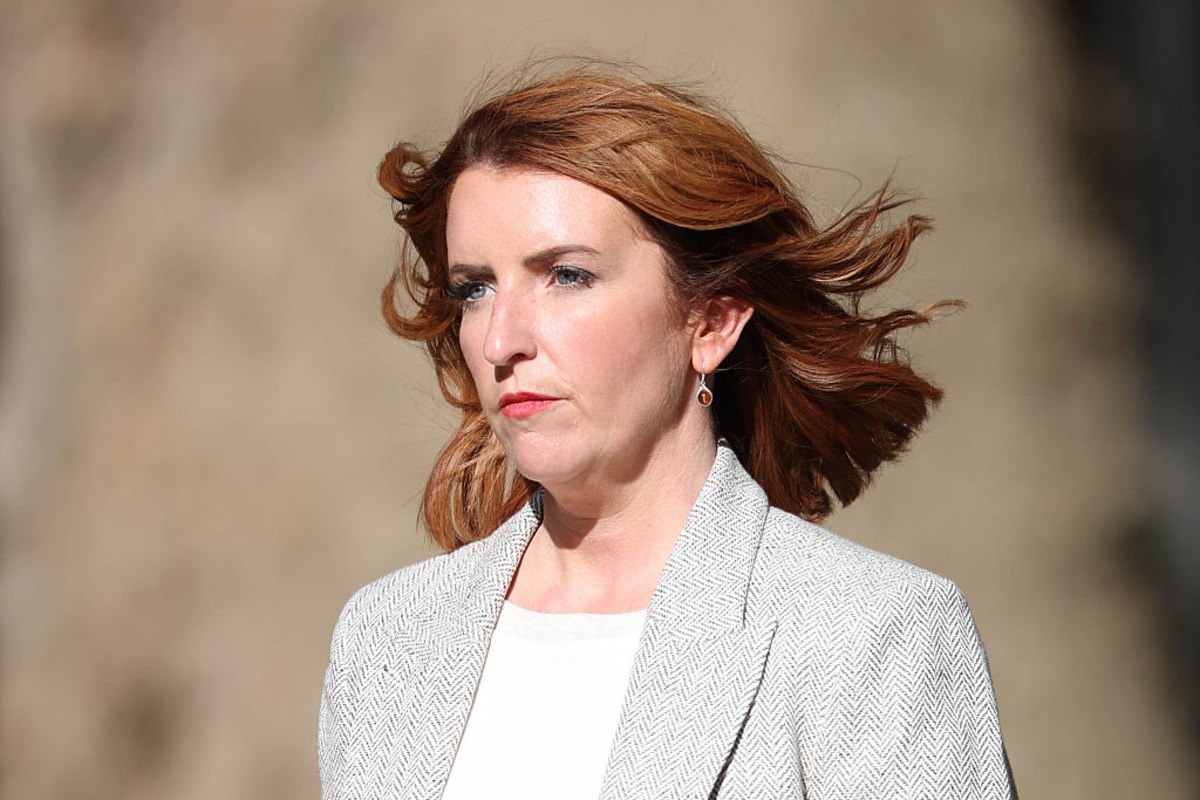
Louise Haigh, speaking at the CBI annual conference, argued for greater public control of Britain's utilities. Haigh used her address to highlight the importance of who owns the pipes and wires, as the ownership can significantly impact the decisions made about energy, water, and other essential resources. When it comes to utilities, once the infrastructure is in place, it often becomes cheaper to connect new homes to the existing network rather than building a new one.
This phenomenon is known as a natural monopoly. Governments have two options when it comes to managing these networks: either take direct control or establish regulatory bodies that set the standards for pricing and service delivery. Both approaches have their challenges. For instance, a government may keep costs low during an election but leave future administrations to bear the burden of maintenance.
On the other hand, regulated companies might possess more detailed knowledge about the condition of their infrastructure than those deciding on budget allocations. Australia provides an example of a country that successfully combines private investment with a degree of government control. In 2016, New South Wales leased a majority interest in Ausgrid, the electricity network serving Sydney and its surroundings, for 99 years.
The lease went to Australian retirement savings investors, with the state retaining just under half of the stake. Australia typically requires foreign government investors to obtain approval for any direct interest in a business, typically a stake of at least 10%. This allows the country to examine the potential risks associated with such investments.
In the United States, public utilities are owned by a mix of investor-owned utilities, municipal providers, and cooperatives. However, foreign investments in critical infrastructure face federal security scrutiny. Utility regulators consider the implications of a takeover on customers. The recent US midterms showcased the political nature of these customer interests, as certain proposals to build tech companies' infrastructure faced rejection due to concerns about electricity bills.
France has taken a different approach to utility ownership. After President Macron announced a new nuclear construction program, France acquired all the remaining shares in EDF, its national electricity company, in 2023. This full ownership allows the government to set the timeline for power station construction and accept risks that outside shareholders might not be willing to bear.
French taxpayers bear the risk of cost overruns. Additionally, the company that France considers central to its energy security also operates nuclear power stations in Britain. This raises questions about the potential influence of foreign ownership on British utilities, particularly in times of strained relations. A foreign government's stake in a British utility could either serve as a mere financial investment or grant it influence over the network's management and access to sensitive systems.
If relations were to deteriorate, Britain would need to consider whether it could maintain the service if the owner ceased cooperating. Ultimately, the percentage of shares held only provides limited insight into the actual control exerted by the foreign investor. Britain must attract investors willing to fund assets that take decades to recoup.
Pension funds and insurers can be potential investors in such long-term infrastructure projects, as they have future pension and insurance obligations to fulfill. However, these investors may demand higher returns if they perceive a risk of changes in the rules governing their investments. Customers may end up bearing the cost of this uncertainty.
As Britain faces the challenge of securing supplies of essential resources while navigating new industry demands on its networks, Haigh's argument emphasizes the critical importance of who owns the pipes and wires. The decisions made by utility owners have far-reaching consequences, and the risks should be shared among all stakeholders.
Rewritten by urgent.news; may contain errors — check the original.
Source: cityam.com