Power demands at AI data centers set to double by 2030 — adding the equivalent of another Great Britain to the grid as an extra $4 trillion in spending kicks in
Global data center electricity demand could double by 2030, intensifying pressure on power grids, household bills, and emissions.
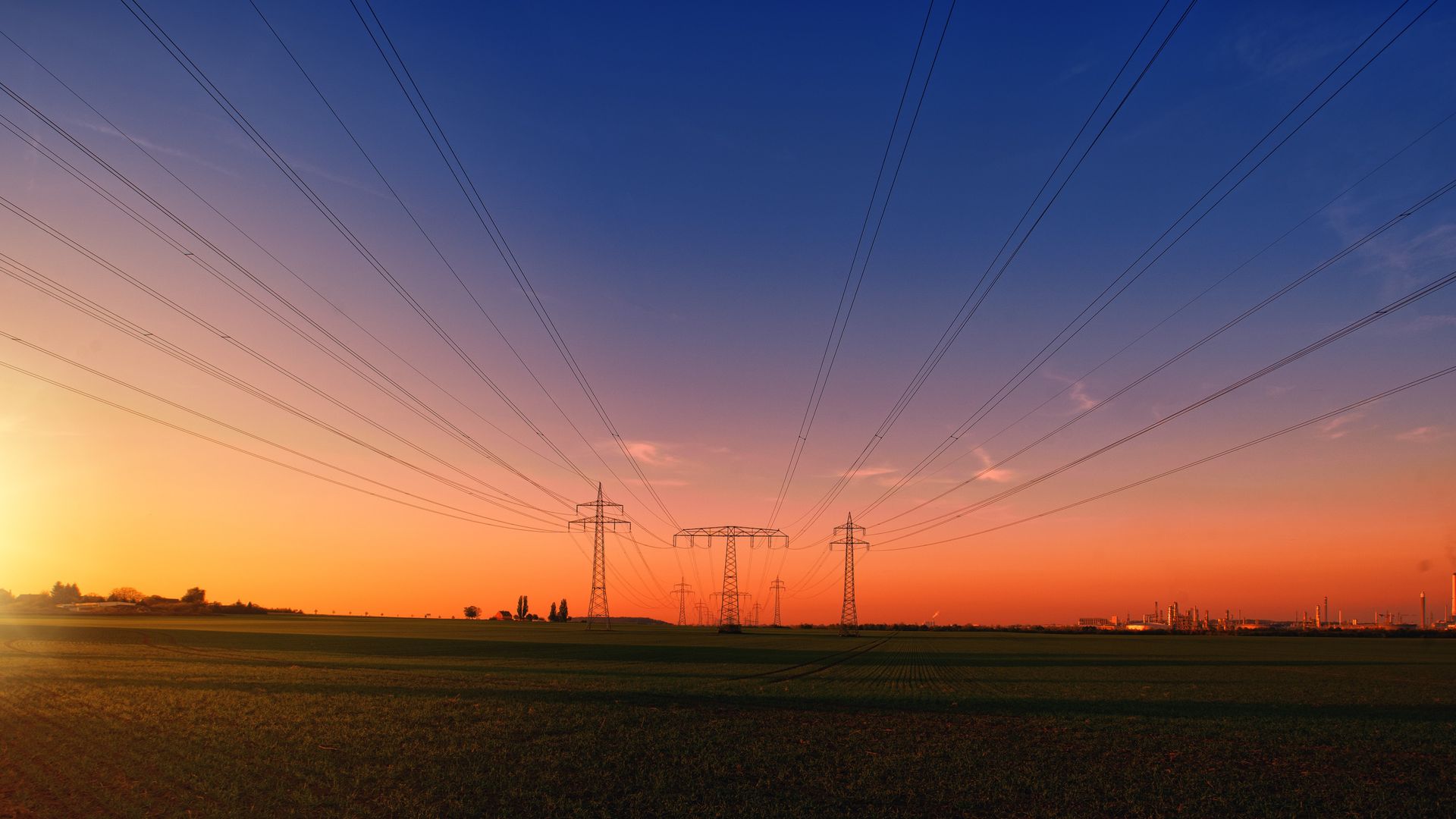
AI data centers are projected to increase their electricity consumption by up to 50GW by 2030, equivalent to the energy demand of another Great Britain, as per the International Energy Agency (IEA). The rapid expansion of AI infrastructure is outpacing the ability of electricity networks to accommodate this surge in demand. Currently, there are over 90 significant AI facilities under construction or expansion, with their combined electricity capacity expected to reach 50GW once completed, according to satellite imagery and infrastructure monitoring.
The IEA's World Energy Outlook 2026 estimates global data center capacity to stand at approximately 240GW by 2030, with artificial intelligence facilities accounting for roughly 75% of this additional capacity. Investment in AI infrastructure is anticipated to surge to $32 trillion by 2050, surpassing the financial outlay of several major technological advancements combined.
However, the challenge lies in swiftly connecting these facilities to the existing electricity grid, as construction and expansion of transmission infrastructure can take significantly longer than one to five years for renewable projects. Some technology firms are exploring independent electricity generation, but this route presents its own set of challenges such as equipment shortages and difficulties acquiring crucial turbine components.
The escalating electricity consumption has sparked debates over potential price hikes and rising emissions. While the IEA has not found a direct link between increasing data center capacity and higher electricity prices, households and small businesses could face increased monthly bills if electricity providers must construct additional transmission lines, substations, and generation facilities.
Despite a growing emphasis on renewable energy procurement, data centers largely rely on coal and natural gas for 60% of their electricity consumption, with emissions from these sources projected to increase by 70% before 2030. IEA Executive Director Fatih Birol cautioned that the energy landscape could drastically change, urging countries to avoid replacing one dependency with another in their pursuit of greater energy security.
Rewritten by urgent.news; may contain errors — check the original.
Source: techradar.com