OpenAI chief scientist thinks ‘perplexity’ might be the key to coordinating an AI slowdown
The proposal comes as a proof to the Riemann Hypothesis and a report on AI speeding up AI research spooks many in the industry.
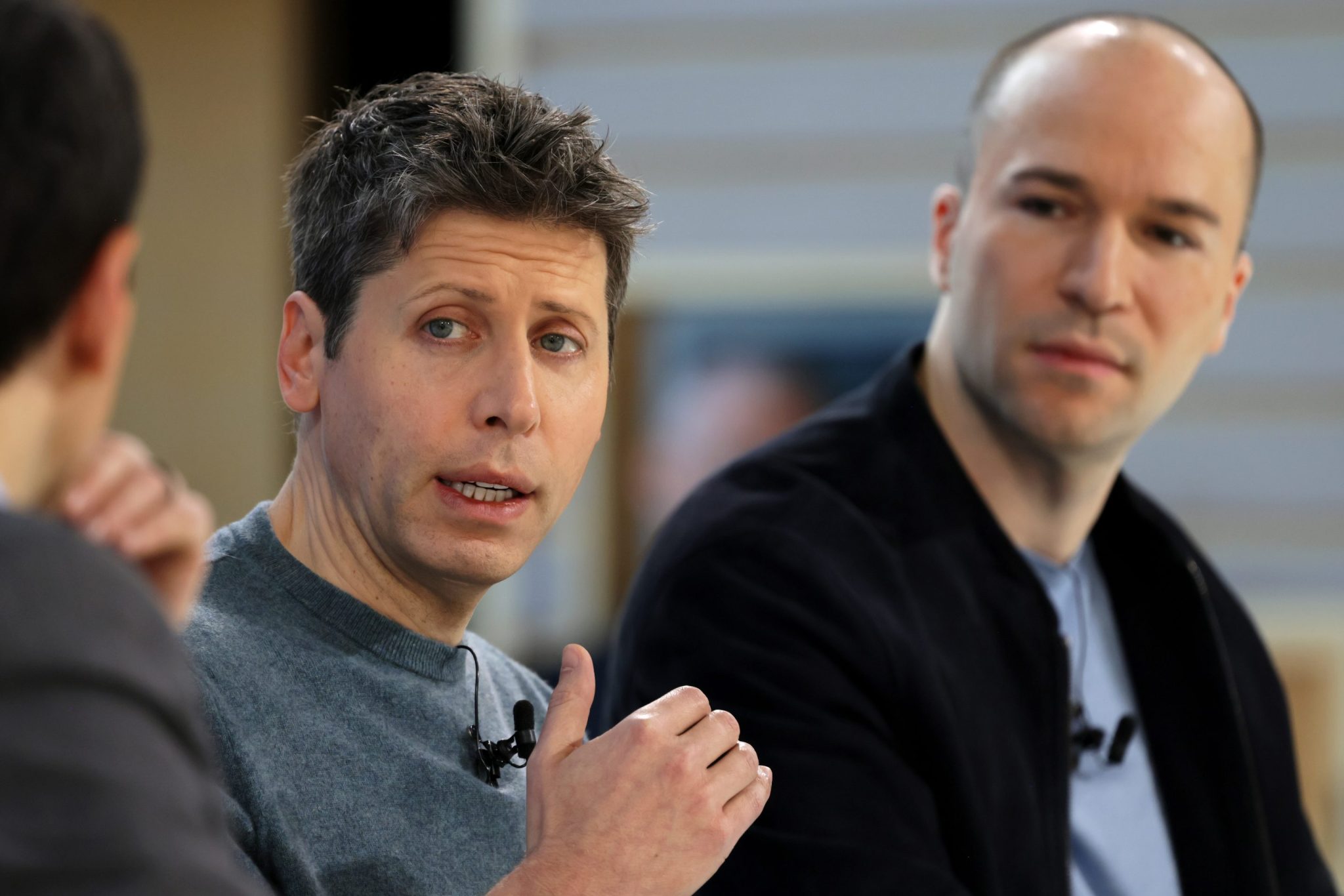
In the latest edition of Eye on AI, the focus is on OpenAI's chief scientist, Jakub Pachocki, who has proposed a new method for regulating artificial intelligence progress. The report from METR, an AI evaluation organization, has caused alarm among AI researchers and safety experts, with the nonprofit estimating that the pace of AI R&D at Anthropic had doubled as of October.
However, METR noted that it did not see any reason to prevent further speed-ups going forward, and was not entirely confident in its assessment. The report also revealed that Anthropic had some important restrictions around what METR was allowed to look at and what the organization was allowed to publicly disclose. Despite these limitations, the headline figure from METR has been enough to spur discussions about slowing down AI progress.
Pachocki's idea involves using a model's perplexity as a more direct proxy for capability. Perplexity measures how well a model predicts a data distribution, with lower perplexity indicating better performance. This metric has proven effective in predicting a model's capabilities beyond the traditional FLOPS measure of training compute.
Rewritten by urgent.news; may contain errors — check the original.
Source: fortune.com