OpenAI asked me to assess GPT-2 before its release. The stakes are even higher now
There are limits to technological genius.
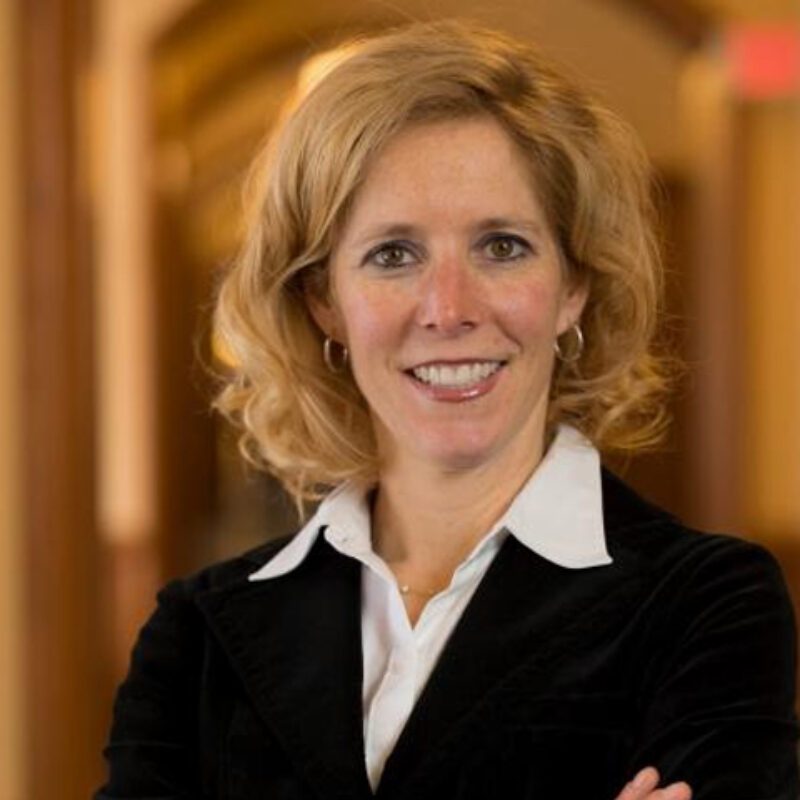
In 2019, a reporter was attending an AI workshop at a D.C. think tank when OpenAI presented GPT-2, a new language model. The reporter, concerned about the potential for political influence and national security issues, raised the concerns with OpenAI. OpenAI invited the reporter as an early academic collaborator to study whether the machine could write political content that could fool people, such as leaders or the public.
The reporter and colleagues found that the technology could produce "news" indistinguishable from human-written content, even before ChatGPT was released. OpenAI's staged release of GPT-2 serves as an example of bringing in experts to evaluate the political consequences of technology before it is released. While some of the risks initially anticipated have not materialized, the technology has led to increased skepticism of all information encountered.
Despite OpenAI having a diverse team of experts studying the consequences of AI development, the companies still rely on external sources to pace the frontier while being at the forefront of acceleration. The development of AI tools has raised the stakes of an old paradox: those who build the technology may not be best equipped to judge its consequences.
The question of how much or what type of risk society should tolerate is a matter of political judgment, not technological expertise. The tension between scientific brilliance and political judgment is not a new problem, as exemplified by the case of Robert Oppenheimer, whose scientific work led to the development of atomic weapons, yet he lacked the political judgment necessary to prevent the use of atomic war.
Rewritten by urgent.news; may contain errors — check the original.
Source: fortune.com