On this day in space! Nov. 24, 1947: The US Navy launches the 1st Aerobee sounding rocket, but it didn't reach space
On Nov. 24, 1947, the U.S. Navy launched the first Aerobee rocket into the sky, but it never reached space. Here's why it mattered.
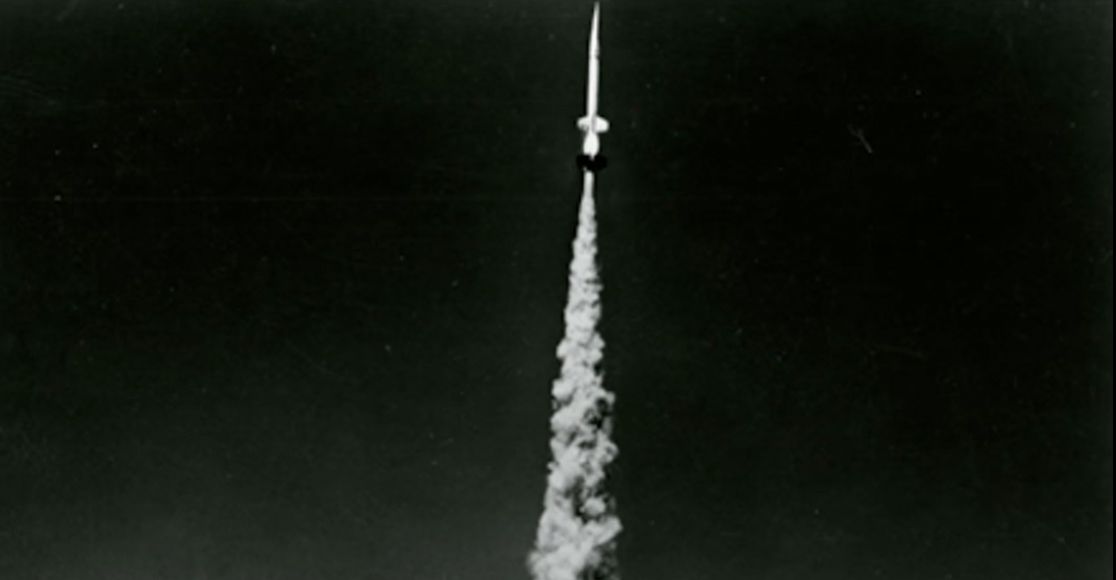
On November 24, 1947, the United States Navy embarked on the maiden voyage of the Aerobee rocket, a suborbital sounding rocket initially intended to explore Earth's atmosphere. However, the rocket did not reach the expanse of space. The Aerobee was the brainchild of the U.S. Navy, born out of the necessity to continue atmospheric research after World War 2, as Germany's V-2 rockets, which had been repurposed for such research, began to dwindle.
The weeks preceding the maiden flight of the Aerobee were marked by three test flights, each employing a dummy Aerobee equipped with a live booster, to ensure the rocket's two stages could separate as intended. On the first real flight, the rocket ascended to an altitude of approximately 35 miles, falling short of the 62-mile mark that typically demarcates the boundary of space, according to NASA and the U.S. military.
Despite this, the Aerobee rocket's mission was deemed successful in terms of design and execution. Its primary payload capacity was set at 100 pounds (45 kilograms), with the ability to soar up to 75 miles (121 kilometers) in altitude. The rocket was powered by a solid-propellant booster engine, generating a thrust of 18,000 pounds for a mere two and a half seconds.
The Aerobee's purpose was twofold: to gather data on the upper atmosphere and to place small animals in a state of weightlessness for physiological studies. This ambitious project, labeled as the "most successful sounding rocket of the space age," aimed to pave the way for human spaceflight through invaluable human physiology tests.
While the first Aerobee rocket did not journey into space, subsequent models underwent numerous upgrades, enabling them to soar higher and carry heavier payloads into the cosmos. To date, over 1,000 Aerobee rockets have been launched, with the last one taking flight in January 1985.
Rewritten by urgent.news; may contain errors — check the original.
Source: space.com

