OIL SPILL: Modelled West Coast blowout — oil reached shore in 75% of simulations
A new oil spill model has been run for South Africa’s West and South coasts, and its findings suggest that a major spill would reach the shoreline with high probability, threatening marine ecosystems, fisheries, tourism and coastal livelihoods.
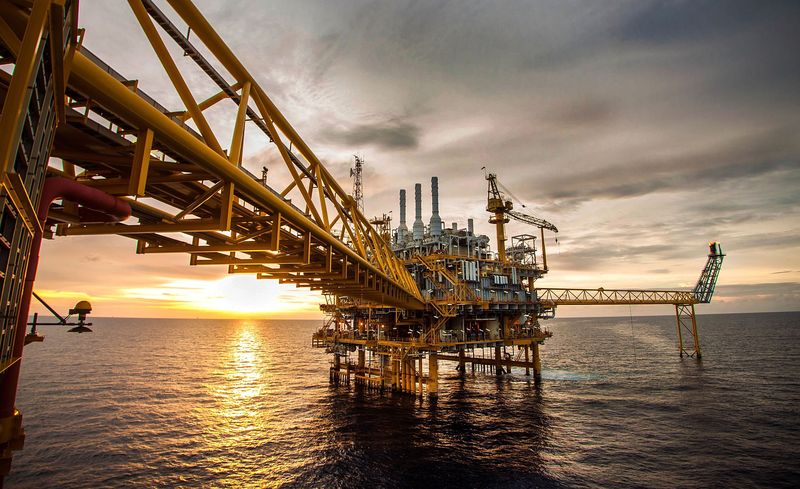
Scientists have developed a new oil spill model for South Africa's West and South coasts, indicating a high probability that a major spill would reach the shoreline. The model, run 200 times with varying start dates, showed that in 75% of scenarios, oil reached the shore above a set contamination level. This likelihood increases to 98% for spills starting between April and September.
However, these percentages do not represent the probability of a spill occurring but rather the probability of oil reaching the coast if one does occur. The findings were presented at a WILDTRUST workshop in Cape Town, as oil exploration companies prepare to drill off the West Coast. South Africa leases about 90% of its ocean for oil and gas exploration, with TotalEnergies granted authorization to drill an exploration well 188km offshore.
Local fishers, such as Walter Steenkamp, emphasize that distance does not protect coastal areas from oil spills, as currents can carry oil hundreds of kilometers.
Rewritten by urgent.news; may contain errors — check the original.
Source: dailymaverick.co.za