NPA advocates LPG use in boarding schools to curb smoke-related illnesses
The National Petroleum Authority (NPA) has urged boarding schools to replace firewood and charcoal with liquefied petroleum gas (LPG) to reduce exposure to smoke-related health risks among kitchen staff and students. The post NPA advocates LPG use in boarding schools to curb smoke-related illnesses appeared first on Ghana Business News .
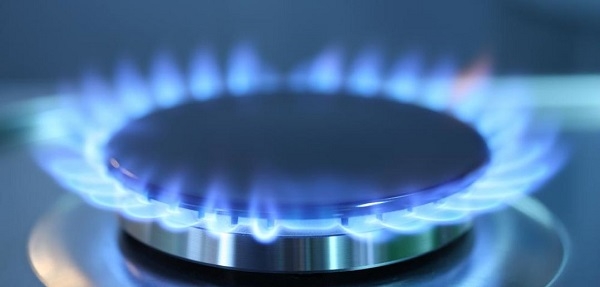
The National Petroleum Authority (NPA) has urged boarding schools to transition from using firewood and charcoal to liquefied petroleum gas (LPG) to mitigate health risks associated with smoke. This recommendation comes after research highlighted the dangers of prolonged exposure to smoke from traditional cooking fuels, which can lead to respiratory illnesses, eye problems, and complications during pregnancy.
During a sensitization session at the Tamale College of Education, NPA representatives presented case studies of health issues stemming from smoke exposure in boarding school kitchens. These included the death of a woman from bronchitis and a kitchen worker who lost her sight due to cataracts caused by smoke. Studies conducted in the Northern Region showed that children and babies exposed to smoke from charcoal and firewood had significantly higher rates of coughs, colds, and chest-related illnesses compared to those in households using cleaner fuels like LPG or electricity.
NPA officials emphasized the health benefits of LPG, calling it one of the most efficient and clean cooking fuels. Despite the clear health advantages, LPG usage in northern Ghana was still low, with fewer than one in ten mothers relying primarily on LPG for cooking. The NPA conducted sensitization across various educational institutions in the Northern Region, including the Tamale College of Education, Bagabaga College of Education, and Tamale Technical University.
Participants were educated on the safe use of LPG, including purchasing from licensed outlets, proper storage, leak detection, and cylinder valve management. The NPA also cautioned against fuel siphoning and provided guidance on consumer rights and complaint resolution. Educational leaders encouraged the Government to provide financial and technical assistance for converting school kitchens to LPG and training kitchen staff in its safe use. The NPA remains committed to increasing LPG penetration to 50% of households across Ghana by 2030.
Rewritten by urgent.news; may contain errors — check the original.
Source: ghanabusinessnews.com