Nato chief vows defence against space threat after Russian nuclear satellite reports
Nato chief Mark Rutte has said the alliance will defend against any threats in space after reports that Russia was preparing to launch a nuclear-armed satellite. Intelligence reports about a possible launch in the next 60 days had been shared among Nato countries this month, according to German media outlets. It was not clear which [...] The post Nato chief vows defence against space threat after…
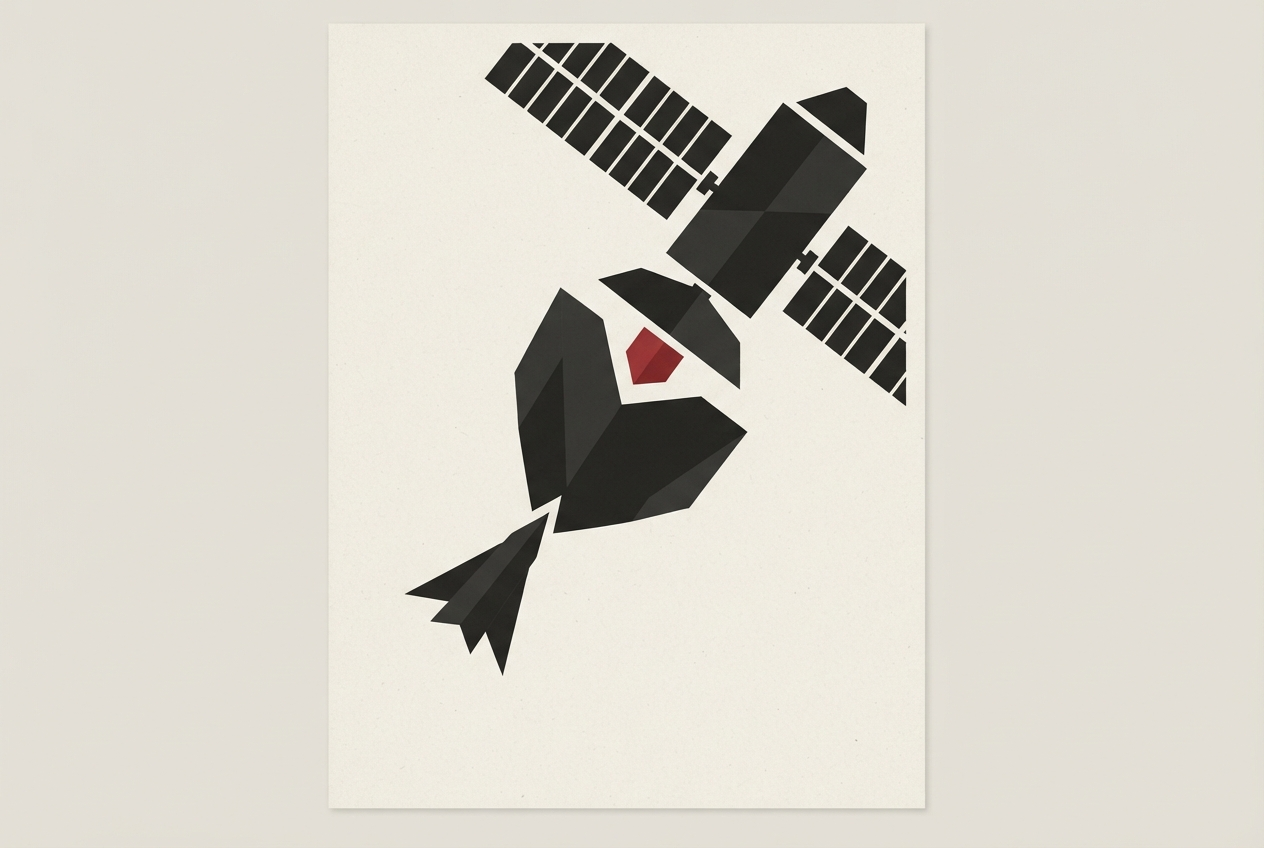
NATO chief Mark Rutte declared the alliance would defend against any space threats following reports of Russia preparing to launch a nuclear-armed satellite. Intelligence sources indicated a potential launch within the next 60 days, though the origin of these reports remained unclear. Rutte emphasized NATO's commitment to safeguarding its territory, stating, "We will always make sure we defend every inch of NATO territory, and that includes making sure we are safe when it comes to the space element."
Kremlin spokesman Dmitry Peskov dismissed the reports, calling them "hardly worth taking seriously" and attributing them to "unknown sources." The Russian embassy in Berlin dismissed the allegations as "unfounded" and claimed the reports were part of a "propaganda campaign." Rutte informed press in Berlin that NATO possessed multiple response options, stating, "When it comes to the military domain, we will always make assessments of our deterrence and defence and make updates where necessary."
Anonymous German military and intelligence sources cited by German broadcasters NDR, WDR, and newspaper Sueddeutsche Zeitung reported that the Russian satellite, known as "Sputnik-S," was equipped with a nuclear warhead and could potentially disrupt or destroy other satellites. German Chancellor Friedrich Merz acknowledged the reports but did not confirm or deny their validity, describing them as "shocking."
A German government spokesman emphasized the seriousness of the reports while urging against excessive alarm over hypothetical dangers. Josef Aschbacher, head of the European Space Agency, warned that having nuclear weapons in space represented the "ultimate nightmare scenario." Russia, a signatory to the 1967 Outer Space Treaty prohibiting weapons of mass destruction in orbit, previously denied developing a space-based anti-satellite weapon.
In 2024, the US accused Russia of such development, a claim Russia denied. Russian spokesman Peskov reiterated Russia's opposition to nuclear weapons in space, emphasizing that space must remain "free of any weapon."
Rewritten by urgent.news; may contain errors — check the original.
Sources: en.yna.co.kr · koreatimes.co.kr · hindustantimes.com · english.ajel.sa · freemalaysiatoday.com · bbc.co.uk · kahawatungu.com
Also reported by 6 other outlets
- Russian aircraft enter South Korea’s air defence zone freemalaysiatoday.com
- Russian warplanes entered air defense zone: S. Korean military koreatimes.co.kr
- German defense minister urges calm over reports of Russian space weapon english.ajel.sa
- South Korea says Russian aircraft entered air defence zone, fighter jets scrambled hindustantimes.com
- Nato chief vows defence against space threat after Russian nuclear satellite reports bbc.co.uk
- (LEAD) S. Korea briefly issues alert on eastern island after Russian airplanes enter air defense zone en.yna.co.kr