Meet the shoebill: A prehistoric-looking bird that hunts baby crocodiles
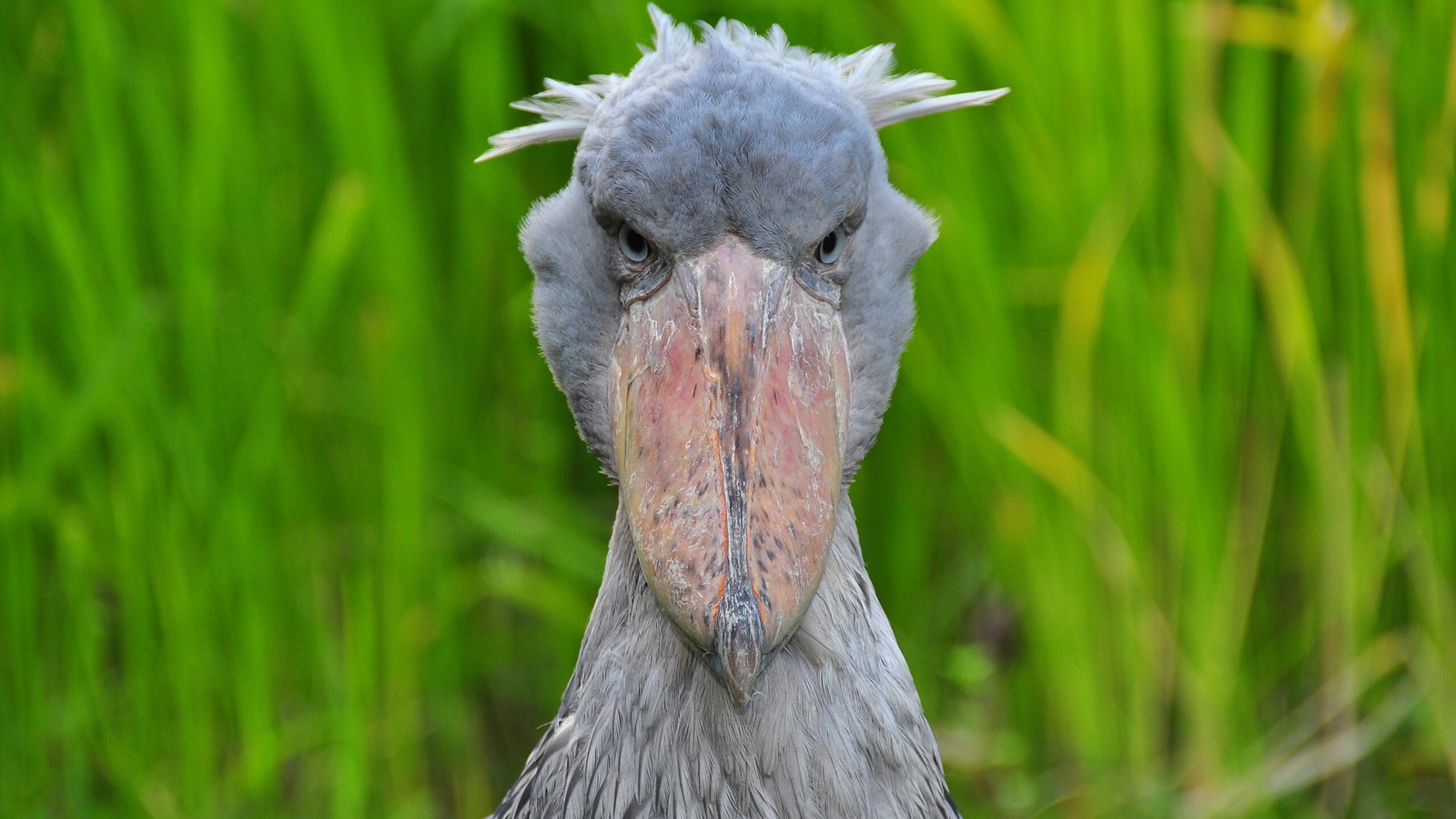
The shoebill, an enigmatic bird resembling a prehistoric pelican-dinosaur hybrid, is a sight to behold. With a height of nearly five feet and a beak crafted from driftwood, this avian marvel possesses a haunting aura. The shoebill's crowning glory is its colossal, broad, and curved bill, capable of grasping fish and even young crocodiles.
Cloaked in striking blue-grey feathers, these birds exude an air of regal solemnity, resembling swamp guardians more than waterbirds. Spanning an impressive 8 feet from wingtip to wingtip, shoebills are as wide as a small car.
Endemic to dense freshwater swamps and marshes in South Sudan, Uganda, Rwanda, Zambia, and parts of the Democratic Republic of Congo, shoebills are notoriously elusive, adding to their mystique. Mabamba Swamp in Uganda, a hotspot for ecotourism, provides one of the best opportunities to spot these rare birds.
Shoebills employ a unique hunting technique known as "collapse hunting," where they remain motionless for extended periods before suddenly lunging at their prey at breakneck speed. Their diet primarily consists of lungfish, tilapia, eels, and occasionally, baby crocodiles or frogs. During the breeding season, shoebills form monogamous pairs and construct massive nests from reeds and grasses.
Typically, a female lays one to three eggs, but only one chick often survives, with the older sibling sometimes eliminating its weaker sibling—a phenomenon known as "siblicide." Young shoebills take 3 to 4 months to fledge, and these birds can live for up to 35 years in the wild, potentially longer in protected settings.
The International Union for Conservation of Nature (IUCN) classifies shoebills as Vulnerable, with fewer than 5,300 mature individuals left in the wild. Threats to these majestic creatures include wetland destruction, illegal wildlife trade, and climate change. Some are even poached for the exotic pet trade, fetching tens of thousands of dollars.
Conservationists and local communities are collaborating to raise awareness, promote sustainable tourism, and establish protected reserves, striving to ensure a brighter future for these extraordinary birds.
Rewritten by urgent.news; may contain errors — check the original.
Source: indianexpress.com