Meeresschutz im Atlantik: Haischutzkonferenz: „Stillstand“ statt Durchbruch
Bedrohte Haie brauchen dringend besseren Schutz. Doch trotz eindringlicher Appelle bringt ein internationales Treffen nur begrenzte Fortschritte. Am Ende ist sogar von einer „Mogelpackung“ die Rede.
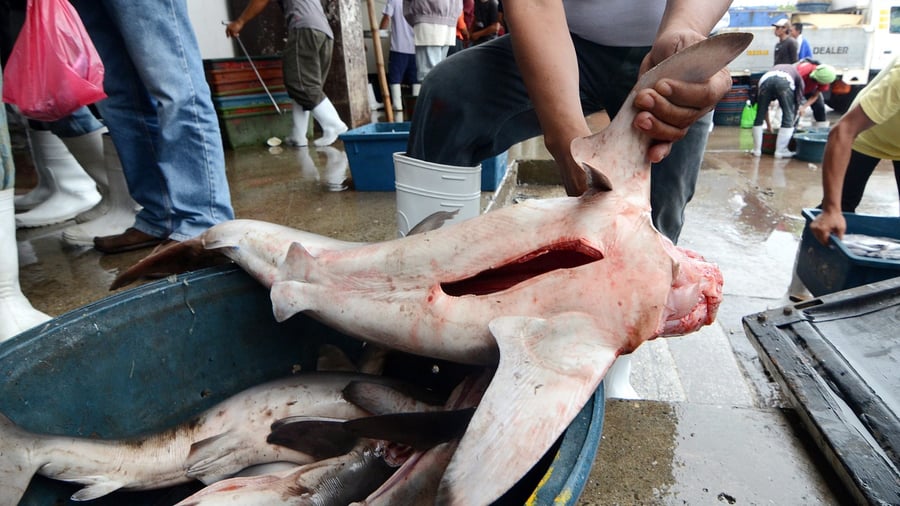
International fishery conference ICCAT in Vilamoura, Portugal, saw limited progress in protecting the Atlantic blue shark, despite efforts to stop particularly cruel practices like finning and releasing live animals back into the sea. Blue sharks accounted for about 85% of the reported catches in the Atlantic, according to marine protection group Pro Wildlife.
Environmental organization DSM had called for strict catch limits and effective controls to combat massive bycatch, but the conference ended with disappointment and a sense of stagnation for the conservationists. The current catch restrictions may not be enough to ensure long-term sustainability of the species, with a 50% chance that the blue shark could already be overfished in the North Atlantic.
Many killed animals are likely underreported due to the practice of releasing finned bodies back into the water. A long-term plan for sustainable management of blue shark populations failed due to a dispute between the US and EU over including the threatened shortfin mako shark. The plan will only take effect in 2029 instead of the planned 2028.
The US also withdrew its proposal to relax the ban on shortfin mako catches, increasing the allowed amount from 250 to 1,400 tonnes, based on new, controversial calculations regarding the age of sexual maturity in female sharks. The issue of finning, where fishermen remove sharks' fins while at sea to sell for soup while discarding the rest of the animal back into the sea, saw an agreement at ICCAT for stricter rules: fins must be left attached to fresh catches starting in 2027, though exemptions allow for fin removal from frozen catches, with the fins to be reattached or separately marked by 2030.
Environmental groups welcomed the agreement but criticized the exemptions for frozen catches, calling it a "sleight of hand," as controlling such violations at sea is difficult.
Rewritten by urgent.news; may contain errors — check the original.
Source: handelsblatt.com