Mahama urges German firms to use Ghana as gateway to Africa’s $3.5tn market
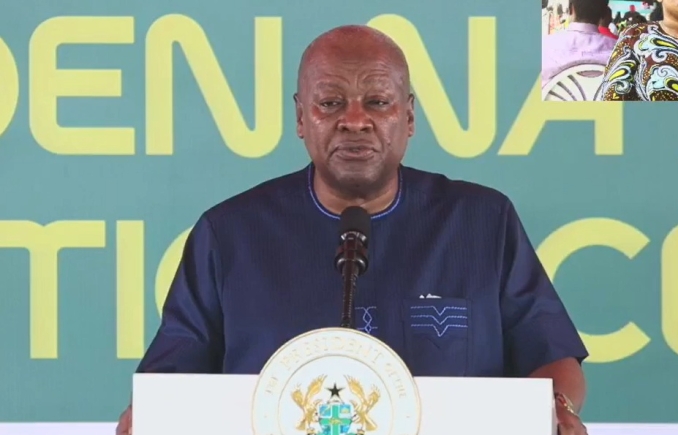
President John Dramani Mahama has urged German companies to consider Ghana as a strategic entry point into the African market, which he says offers significant investment and production opportunities under the African Continental Free Trade Area (AfCFTA).
On November 18, Bank of Ghana reduced its policy rate to 11 per cent from 14 per cent. Despite this cut, some short-term market rates might still rise due to recent reforms. The Monetary Policy Committee (MPC) adjusted the corridor around the policy rate. The corridor, a range of standing offers, used to be 400 basis points above and below the 14 per cent rate.
Now, it has been narrowed to 100 basis points on each side, with the policy rate set at 11 per cent, down from 14. The deposit rate floor remains at 10 per cent, unchanged, while the lending ceiling has been lowered to 12 per cent, from 18 per cent.
Governor Dr Johnson Pandit Asiama explained the rate move as an "alignment of the rate" instead of a cut. The reasoning is that prevailing market rates have been below the current rate, indicating that the effective policy stance is lower than what was announced. Banks were not borrowing near the 18 per cent or 14 per cent rates; they were trading far below the official anchor.
The reforms aim to bring market rates closer to the anchor. The deposit rate floor remains at 10 per cent, but the anchor rate is now 11 per cent, and the ceiling is 12 per cent. The Bank of Ghana now manages liquidity through a weekly seven-day bill, with the clearing rate signaling the new anchor.
A market rate that moves away from the 10 per cent floor towards the 11 per cent anchor will rise, even though the policy rate has fallen by 300 basis points and the Bank's emergency lending rate has dropped from 18 to 12 per cent. Loan pricing follows the Ghana Reference Rate, which combines the 91-day bill, the policy rate, and the interbank rate.
In October, this rate was at 10.04 per cent. The November rate was set at 10.01 per cent before the cut, so average lending rates, which were 15.79 per cent in October, will take time to adjust. Factors such as the cedi's exchange rate with the dollar and T-bill rates also play a role in these market movements.
Rewritten by urgent.news; may contain errors — check the original.
Sources: 3news.com · myjoyonline.com
This story
This is one outlet's version. Read the fullest account.