Lowering the Medicare eligibility age is harder than it sounds
Reducing the Medicare eligibility age may strike Democrats as a realistic fallback to passing Medicare for All, but it's an option that would be incredibly difficult to pull off. Why it matters: Even incremental steps to address affordability could have huge price tags and prompt fierce industry opposition. Driving the news: Prominent Democrats have been throwing their support behind lowering the…

Extending Medicare eligibility to younger adults may appear achievable for Democrats as a means to counteract healthcare costs, but executing such a policy is a formidable challenge. The rationale behind this demand stems from prominent Democrats pushing for measures such as lowering the Medicare eligibility age, broadening children's health coverage, and incorporating dental, vision, and hearing benefits into Medicare.
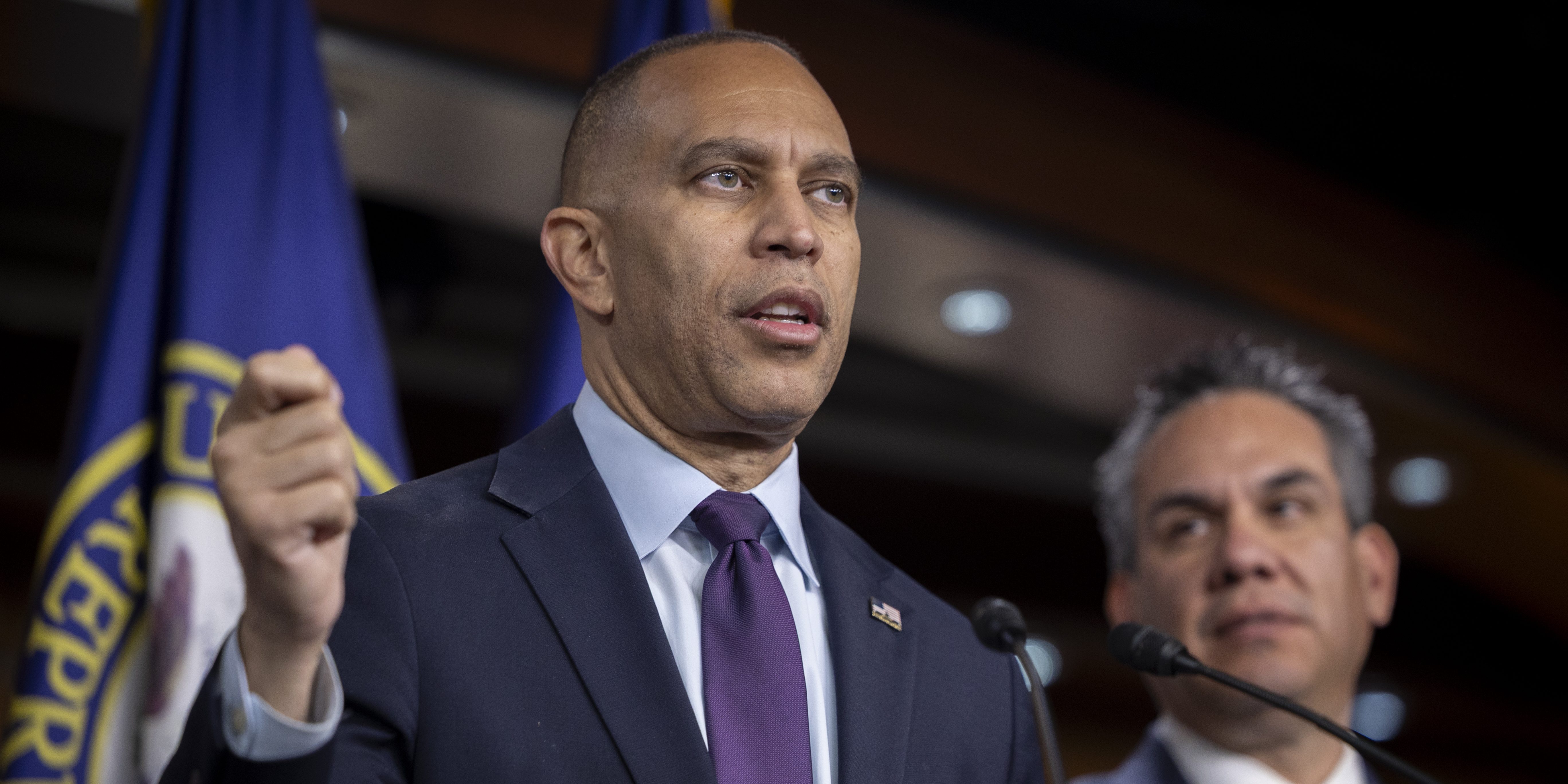
Senators Bernie Sanders and Hakeem Jeffries, alongside other key Democrats, have voiced their backing for lowering the Medicare eligibility age to 50, although the proposed bills differ significantly. Despite the party's unified aim to alleviate healthcare expenditure, the prospect of lowering the eligibility age proves to be an intricate undertaking.
To avert adding to the federal deficit, lawmakers would need to devise offsets that either generate equivalent revenue or, more probably, decrease government spending. Also, the policy is likely to face strong opposition from healthcare industries, as they would receive diminished reimbursement rates under Medicare compared to commercial insurance.
Healthcare providers, who already receive lower payments from Medicare than from private insurers, warn that broadening Medicare eligibility would jeopardize their revenue. The American Hospital Association has expressed concerns that expanding coverage to more patients might jeopardize access to essential services.
A comprehensive legislative push to lower Medicare eligibility would necessitate addressing critical technical issues, including whether newly enrolled individuals would have the same access, benefits, and premium structure as those aged 65 and above, or if they would have the option to purchase into the program. Policymakers will also need to consider the implications for employer insurance and whether employers could contribute towards Medicare coverage for older workers.
Rewritten by urgent.news; may contain errors — check the original.
Source: axios.com