La guerra que nadie declaró: el frente oculto de Putin en Alemania
¿Qué tienen en común un vuelo cancelado, un video falso que se vuelve viral y un desconocido que ofrece dinero por Telegram para hacer «un trabajito»? En Europa, los tres pueden ser parte de la misma guerra. Rusia libra una guerra no declarada que tiene a Alemania como blanco principal.
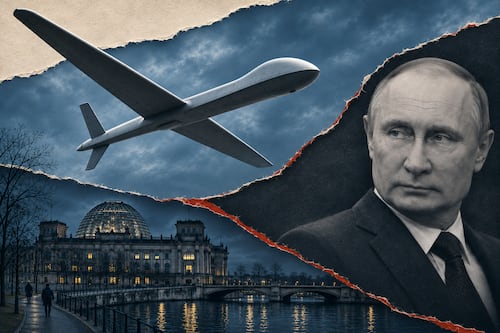
In the shadows of a hidden war, Russia targets Germany as its primary enemy. This covert conflict employs sabotage, cyberattacks, disinformation, espionage, and drones, all falling short of a formal declaration of war. Germany, being the leading donor to Ukraine, makes it the top target. The Kremlin's logic is simple: if Ukraine support becomes too costly, the aid will cease.
Analysts suggest additional objectives, including pressuring Germany to allocate domestic defense funds to Ukraine and undermining public trust in national protection. Initially, the strategy involved false videos and accusations of corruption or harassment against local politicians, often from the far-right. In October 2025, drones entered the picture, causing the closure of Munich's airport twice.
German agencies documented 320 possible sabotage attempts that year. The operators shifted from trained spies to "disposable agents" recruited via Telegram and paid per job. On August 4, 2026, the escalation reached a new level when a drone with explosives was spotted near a cargo plane in Leipzig, a key hub for weapon shipments to Ukraine.
No explosion occurred, but the head of German foreign espionage described it as a "new and dangerous dimension." Europe has responded proportionally to the attacks. The Bundestag authorized the military to shoot down drones over German territory in February, and formally blamed Russia for the Leipzig incident in September, closing the last Russian consulate in Bonn, the Russian House in Berlin, and expelling diplomats.
The EU introduced special sanctions to penalize such attacks, and added 30 individuals to its blacklist for spreading disinformation, prohibiting entry to 673 "ghost ships" used by Russia to sell oil and evade sanctions. NATO patrols the Baltic Sea and neighboring countries to counteract sabotage and drone incursions. Between 2023 and 2024, Russian attacks in Europe nearly tripled, while Ukraine aid increased.
Berlin announced more military support for Kiev following Leipzig, and 63% of Germans called for maintaining or increasing aid after the incident. NATO has made this a strategic priority. While more support may seem to reward sabotage, it is a double-edged sword. The Kremlin's goal is to radicalize a minority through fear, which can unite Europe against Ukraine.
Despite Putin's strategy, each attributed Russian attack has strengthened, rather than weakened, support for Ukraine. The Kremlin's lesson is uncomfortable: naming the enemy may create cohesion, but the next drone attack could cause irreversible consequences. This report is the responsibility of Cisne Negro and does not constitute EL UNIVERSAL's editorial content.
Rewritten by urgent.news; may contain errors — check the original.
Source: eluniversal.com.mx