Kenya’s coding and green skills give its youth a head start as Africa readies the world’s largest workforce – report
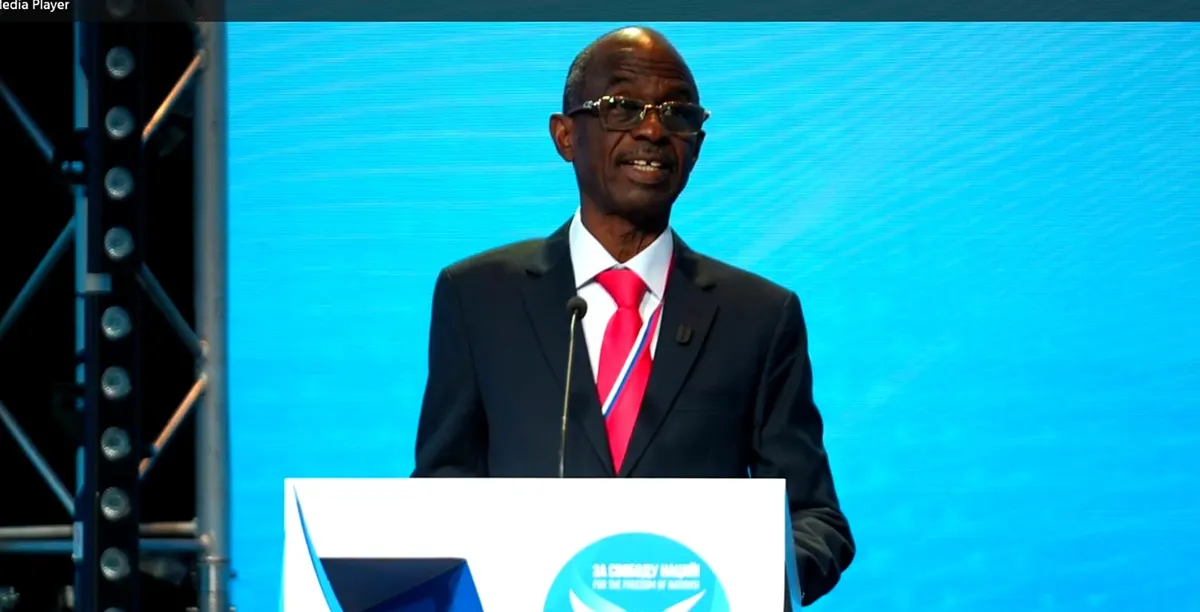
The Mastercard Foundation report, Secondary Education in Africa: Expanding Pathways to Work, Livelihoods, and Lifelong Learning, was launched in Accra, Ghana, on Tuesday at a gathering attended by the ministers of education of Ghana, Liberia, Rwanda and Sierra Leone.
NAIROBI, Kenya - Kenya's commitment to teaching coding and green skills in secondary schools has put its youth ahead of many other African countries as the continent prepares to produce the world's largest workforce. According to a new Mastercard Foundation report, by 2035, over 330 million young people in Sub-Saharan Africa will reach working age, surpassing any other region in the world.
However, only 9% of these young people go on to university or college, making secondary school the final stage of formal education for most.
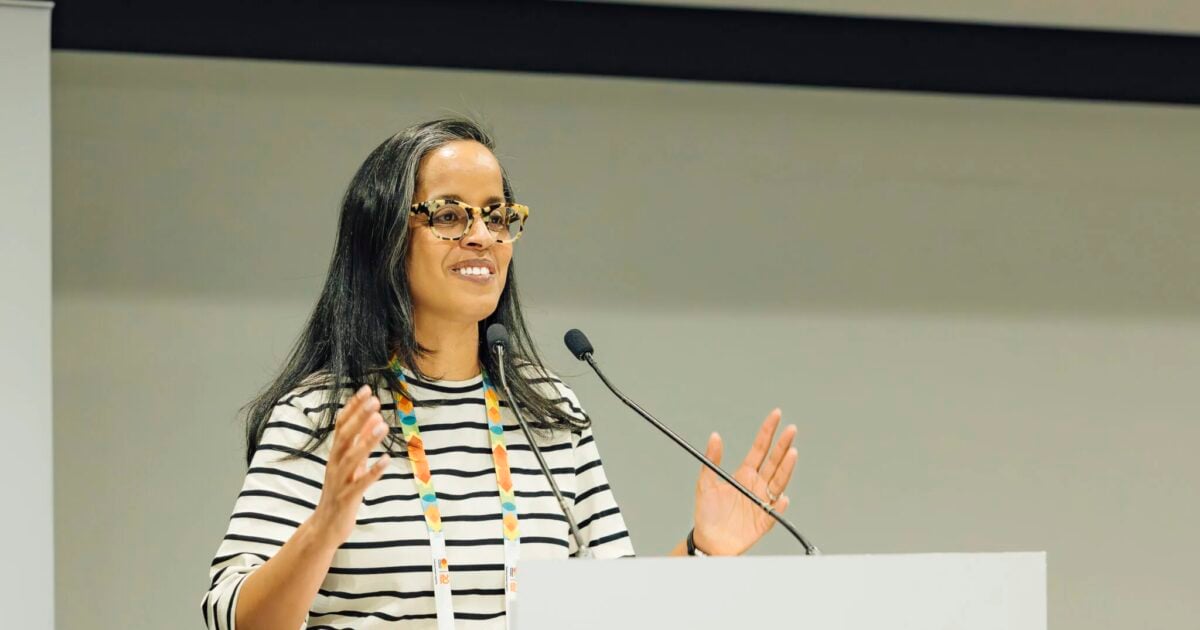
Sewith Ahderom, CEO and President of the Mastercard Foundation, emphasized that secondary school is where they can make the most significant difference in helping young people find dignified and fulfilling work. Kenya and Rwanda stand out for their efforts in teaching computer programming and artificial intelligence in secondary schools. Among the 49 Sub-Saharan countries surveyed, only two explicitly incorporate AI into their curricula.
Kenyan youth are already participating in the gig economy, with online sales of airtime, data bundles, mobile money services, and retail goods being the most common form of gig work. Kobo360, an e-logistics platform, assists truck drivers in Kenya and four other countries in finding work and accessing finance.
Regarding green jobs, Kenya is leading the way with its advanced approach to teaching cross-cutting green skills. The report highlights Kenya's short courses in renewable energy, environmental management, and sustainable construction, as well as the KenGen Geothermal Training Centre serving as a regional center of excellence.
The report also points out that the world of work is rapidly changing. While more than 10 million young Africans enter the labor market each year, only around 3 million formal jobs are created, and about 90% of youth employment is informal. The report urges schools to prepare young people for wage jobs, self-employment, entrepreneurship, digital, green, care, and creative work.
Samuel Yalew Adela, Senior Director of Secondary Education and Transitions at the Mastercard Foundation, stated that the first Secondary Education in Africa report, published in 2020, emphasized that secondary education is the main pathway to work for young people in Africa. Six years later, this message is more critical than ever. The new report delves deeper into what school prepares young people for, beyond just the number of students in school.
In Sierra Leone, for instance, which was one of the seven countries studied in depth, radical inclusion has brought more young people into classrooms, regardless of their circumstances. Fee-free schooling in Sierra Leone has made education accessible to pregnant girls, learners with disabilities, and those living in rural areas. This inclusive approach is crucial to building the workforce the economy needs, according to Hon. Conrad Sackey, Sierra Leone's Minister of Basic and Senior Secondary Education.
Kenya has similar goals, as evidenced by its 100% transition policy, which saw 97% of learners who completed Grade 6 in 2025 move on to junior school. Ahderom emphasized that the Mastercard Foundation is committed to working alongside governments and partners to implement this evidence and ensure that young people leave school with the skills to earn a living and build a future on their own terms.
Rewritten by urgent.news; may contain errors — check the original.
Source: capitalfm.africa