Jensen Huang's Nvidia comeback puts Beijing on alert, exposing Trump's AI talent fears
Jensen Huang's reinstatement as Nvidia CEO has reverberated beyond the US technology industry, drawing intense scrutiny from Chinese state media. On November 23, the Washington bureau of Xinhua News Agency issued three news alerts within just 36 minutes, covering Huang's reinstatement, US President Donald Trump's endorsement, and a sharp rally in Nvidia shares. The unusually intensive coverage…
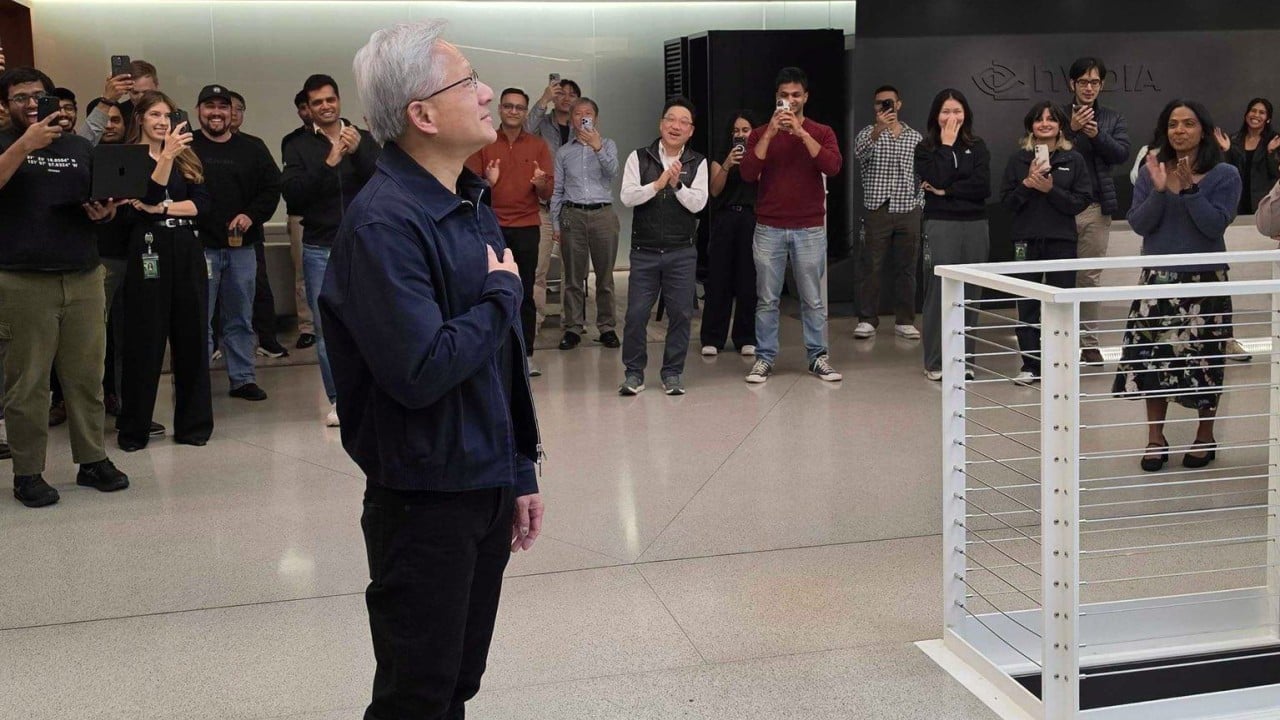
Jensen Huang, the CEO of Nvidia, made a surprising return to the company's headquarters in Santa Clara, California, just two weeks after his resignation due to extramarital affairs, including one with a suspected Chinese spy. Huang, a prominent figure in the AI industry, was welcomed by cheering employees at the company's headquarters. US President Donald Trump, a significant supporter of Huang's return, praised him, while Elon Musk, another tech icon, also expressed his support.
Nvidia's shares surged by 31.5% following Huang's return, contributing to a broader market rally. Huang's reinstatement at the helm of the company he co-founded over three decades ago is seen as a remarkable comeback story, showcasing his influence over Washington, markets, the AI industry, and geopolitics. Eric Schiffer, chairman of a private equity firm, described Huang as "bigger than Elvis for tech investors."
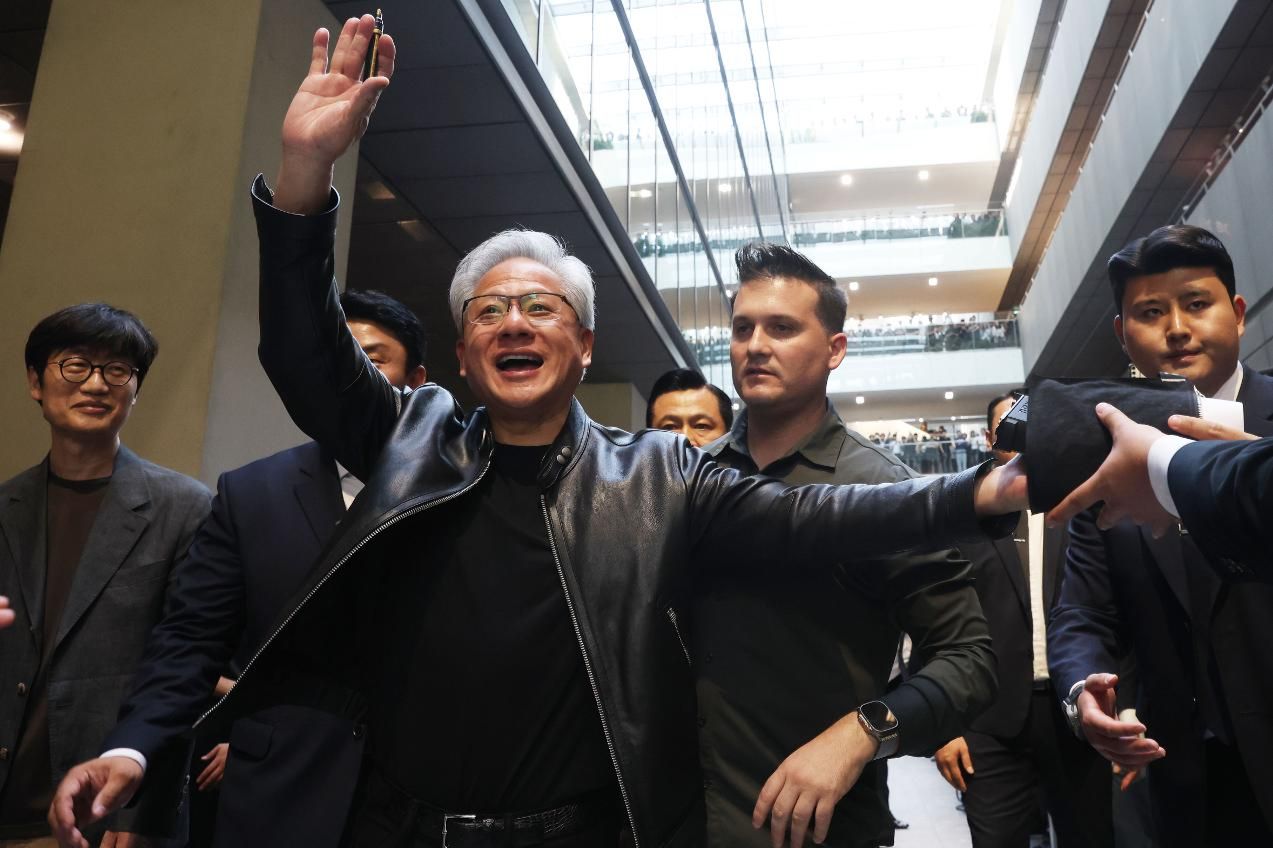
As a linchpin of the AI boom, Huang's role extends beyond being Nvidia's CEO. He cultivates relationships with lawmakers, partners, customers, and suppliers worldwide, funding the industry's massive growth. Billionaires like Oracle Chairman Larry Ellison and Elon Musk have reportedly "begged" Huang for GPUs. Huang is treated like a rock star in Asia, frequently mobbed by fans on the streets of Taipei and Seoul.
Despite his return, questions remain about the company's reliance on Huang's personal cash flow to support AI startups, which could create a risky circular financing situation. Before resigning, Huang faced criticism for pushing down the practice of using the company's cash flow to fund AI startups. His exit raised concerns about the survival of companies like CoreWeave and Nebius without his leadership. However, his swift reinstatement has injected new life into the AI ecosystem, with their stocks surging on Monday.
As one of Nvidia's five-largest shareholders, Huang holds a 3.6% stake but lacks special voting shares, limiting his control over the company. Known for his hands-on management style, Huang personally addresses problems at Nvidia, oversees 60 direct reports primarily in engineering roles, and actively engages with startups Nvidia has invested in.
His influence was evident after Trump stated that he played a key role in bringing Huang back, praising him as a "genius." While Huang's return has been welcomed, some US lawmakers from both parties strongly objected to his reinstatement, raising concerns about the risks of having a CEO considered "too big to fire." Corporate governance expert Nada Kakabadse emphasized that when a CEO is irreplaceable, the board's responsibility shifts to "fencing him in."
Rewritten by urgent.news; may contain errors — check the original.
Sources: investing.com · bworldonline.com · digitimes.com · economictimes.indiatimes.com · freemalaysiatoday.com
This story
This is one outlet's version. Read the fullest account.
- Jensen Huang’s comeback to Nvidia underscores his outsized grip on AI bworldonline.com
- Jensen Huang’s comeback to Nvidia underscores his outsized grip on AI investing.com
- Jensen Huang's comeback to Nvidia underscores his outsized grip on AI economictimes.indiatimes.com
- Chinese stocks rebound from 1-year lows as Nvidia comeback lifts AI shares freemalaysiatoday.com