India built GIFT City. Can CEE build a financial powerhouse?
What India’s financial ambitions can teach Central and Eastern Europe’s emerging stock exchange alliance about scale, connectivity and ambition. In November I visited GIFT City, the Gujarat International Finance Tec-City rising between Ahmedabad and Gandhinagar. The towers are impressive (the place is growing fast) but the intent behind them struck me more. India no longer […] India built GIFT…
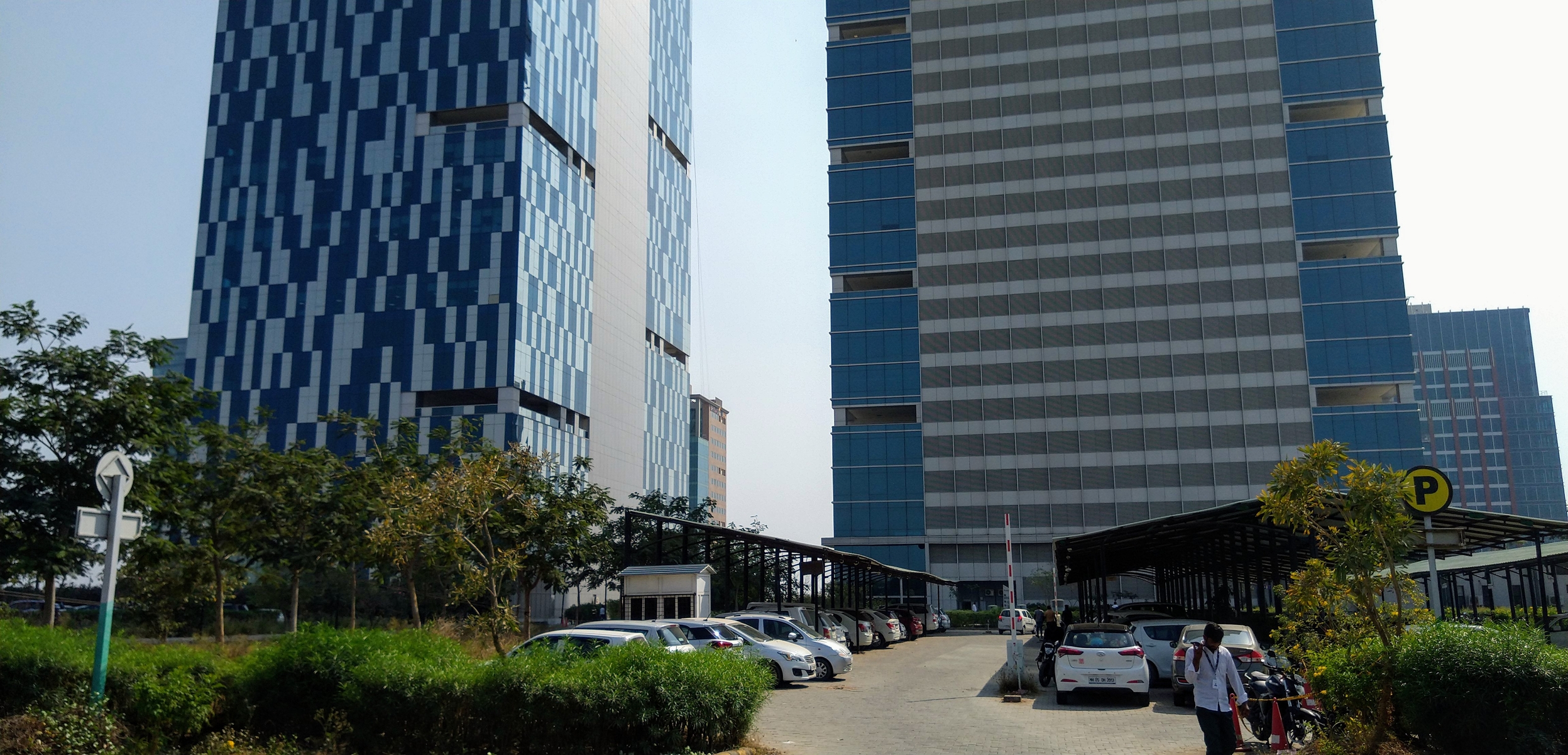
India has constructed an ambitious financial district called GIFT City, located between Ahmedabad and Gandhinagar. This development aims to take control of financial activities that were previously handled by global financial hubs such as Singapore, Dubai, or Mauritius. India's approach includes a single regulator, the International Financial Services Centres Authority (IFSCA), which replaced multiple supervisors with a unified rulebook to attract more financial activities.
The expansion of GIFT City demonstrates India's desire to manage capital flows and act as an intermediary, rather than merely receiving global capital. Three key lessons can be drawn from India's experience for Central and Eastern Europe (CEE): scale, connectivity, and ambition.
Firstly, scale is crucial. GIFT City was built as an ecosystem rather than just a trading venue. For CEE, this means creating a unified investment story backed by regional indices, ETFs, joint investor roadshows, and simplified access to companies across the network. While maintaining national market identities, the region should aim for a collective size that none of its individual markets could achieve on their own.
Secondly, connectivity is essential for CEE's financial integration. India's GIFT City required a unique legal framework due to its global aspirations. However, CEE does not need such special arrangements, as most of its exchanges already operate within the EU single market. Instead, CEE should focus on interoperability, which includes common access, reduced settlement costs, compatible trading systems, and streamlined post-trade procedures.
The Baltic states have demonstrated that harmonized practices can boost visibility and competitiveness.
Lastly, ambition is the missing ingredient that will propel CEE's financial integration. GIFT City is an integral part of India's development strategy, not a mere vanity project. CEE should also align its financial integration with a clear economic agenda, such as energy security, industrial modernization, defense production, digital transformation, and improved transport links.
Additionally, the region should cater to the needs of founders and business families seeking growth capital without solely relying on banks or selling their businesses.
In conclusion, CEE can build a financial powerhouse by following India's example of scale, connectivity, and ambition. While the region already has strong industry, solid banks, and growing pension funds and institutional investors, its financial markets remain small, shallow, and fragmented. By adopting these three lessons, CEE can move from being a well-integrated production platform to a robust investment platform, ultimately enhancing its economic growth and competitiveness.
Rewritten by urgent.news; may contain errors — check the original.
Source: emerging-europe.com