In the Bolivian Andes, Indigenous women plant native trees to restore water sources
The bare ridges of the Tunari mountain range rise high in Bolivia’s central Cochabamba department. Only the occasional stand of squat, shrubby trees and rust-red potato crops dot the slopes. It wasn’t always this way. The high-elevation landscape was once filled with native Kewiña (Polylepis sp.) trees, a slow-growing tree belonging to the rose family […]
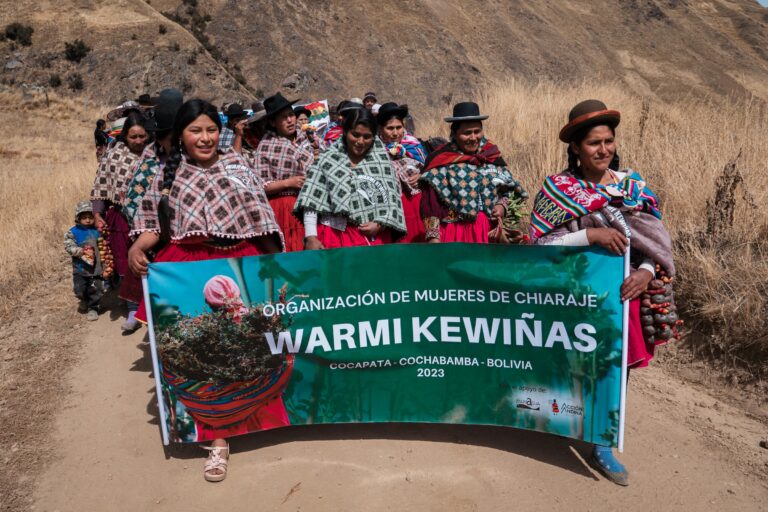
Bolivian indigenous women are planting native Kewiña trees in the Andes to restore vital water sources. The once-thriving landscape of the Tunari mountain range, located in Bolivia’s Cochabamba department, has been severely impacted by decades of deforestation and climate change. Only 10% of the region’s original Kewiña tree coverage remains, according to biologists.
The trees, which thrive at elevations of up to 4,450 meters (14,600 feet), were decimated by urban expansion, wildfires, and habitat fragmentation. The IUCN listed one Polylepis species endemic to central Bolivia as endangered in 2023. Tunari National Park, which covers around 309,000 hectares (763,500 acres), is home to a significant Kewiña population that provides essential habitat for the near-threatened Cochabamba mountain finch and crucial ecosystem services for the Cochabamba metropolitan area and the Amazon basin.
Currently, the region is experiencing chronic drought and increased erosion on the mountain slopes. Andrea Vicente, a potato farmer in the village of Chiaraje situated near the park, recalls the past when firewood was harvested from the Kewiña without replanting.
Rewritten by urgent.news; may contain errors — check the original.
Source: news.mongabay.com