He Thought About Rome Every Day
A lonely misfit in his own time, Edward Gibbon found refuge in a bygone empire.
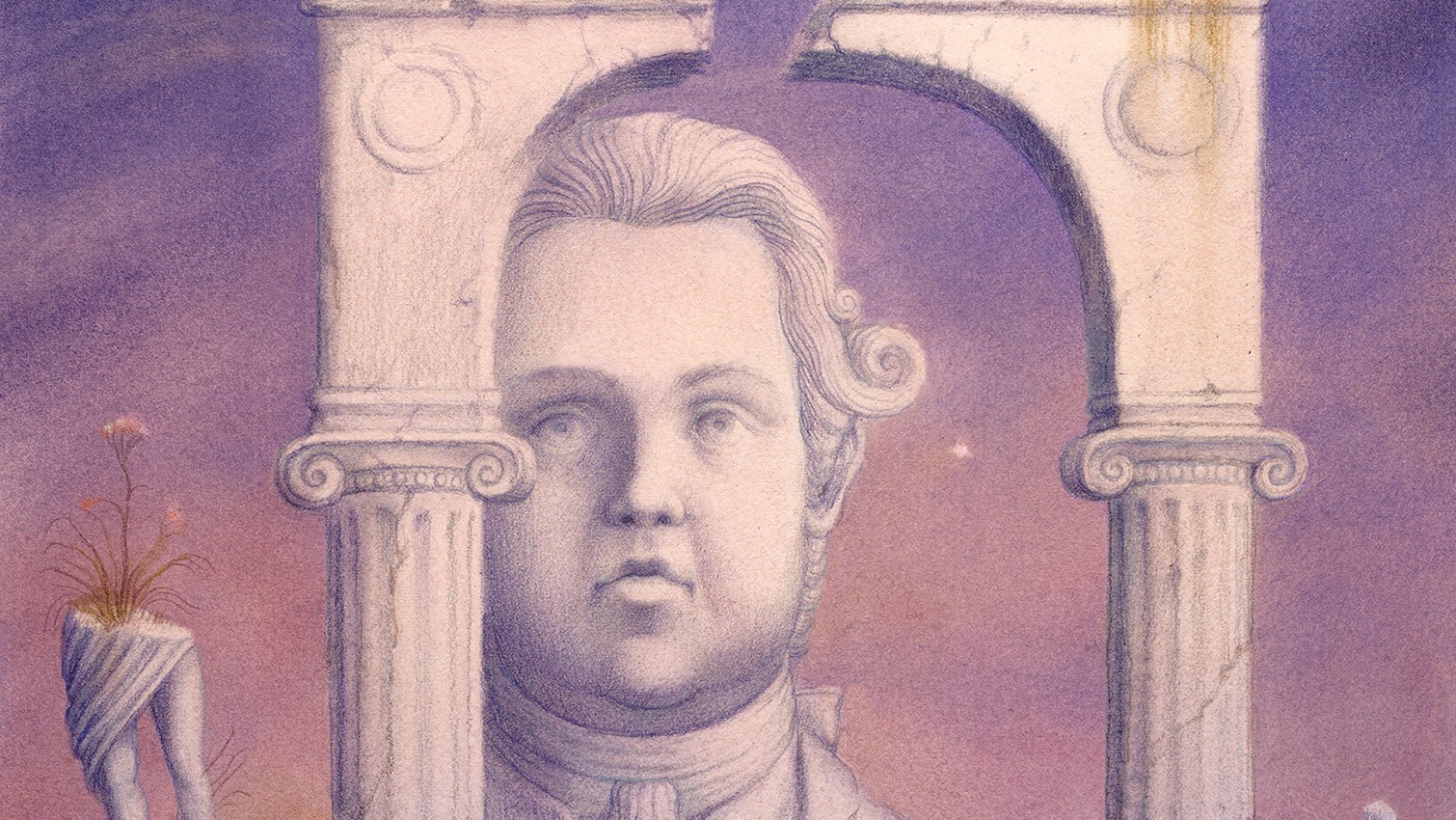
In the year 1764, a young Edward Gibbon, then 27 years old, embarked on a Grand Tour from France, eventually making his way to Rome. Despite his struggles with mobility due to his small stature of 4 feet 7 inches, Gibbon was captivated by the Eternal City. Upon arriving, he was struck by a profound sense of emotion, recalling years later in his memoir, "I can neither express nor forget the strong emotions which agitated my mind as I first approached and entered the eternal city."
After a sleepless night, Gibbon began to explore the city, walking with a confident stride through the ruins of the Forum. Each significant spot, where figures like Romulus, Tully, and Caesar had once stood or spoken, was vividly etched in his memory. For several days, he was lost in a state of intoxication before he could settle into a more measured and focused approach.
Gibbon's love for rhetorical pairings, such as "lost or enjoyed" and "express nor forget," added a layer of complexity to his writing, drawing readers in different directions. His monumental work, The History of the Decline and Fall of the Roman Empire, was begun seven years after his first visit to Rome. Despite being described by Gibbon himself as "puny," his masterpiece was a towering 1.5 million words, published over a decade.
The first volume of his six-volume work was released in the same year as the Declaration of Independence and The Wealth of Nations, marking a significant departure from previous historical accounts.
Gibbon sought to explain historical events in a new way, examining the stability, happiness, and eventual decline of the Roman Empire. He was neither an annalist nor a zealot, but rather a skeptic who weighed evidence, compared cultures, and shifted perspectives. His writing style was often elaborate, yet captivating, with moments of epigrammatic brilliance.
The influence of The History of the Decline and Fall of the Roman Empire has been immense, shaping the understanding of imperial ruin as "the natural and inevitable effect of immoderate greatness." Its impact can still be felt today, as people continue to explore its claims and insights, as well as the experiences that shaped its author, Edward Gibbon.
Rewritten by urgent.news; may contain errors — check the original.
Source: theatlantic.com