Görünmeyen kadınlar: Özel gereksinimli çocukların anneleri
Özgür Can SUNATA ERDOĞAN* 25 Kasım Kadına Yönelik Şiddete Karşı Uluslararası Mücadele Günü, şiddetin yalnızca görünen yüzünü değil, toplumsal eşitsizlikler içinde derinleşen ve çoğu zaman fark edilmeyen biçimlerini de konuşmak için önemli bir fırsat. Özel gereksinimli çocuklarımızın yaşamında çoğu zaman görünmeyen bir mücadele de bizim yaşamımızda sürüyor. Bu mücadele yalnızca çocuklarımızın…
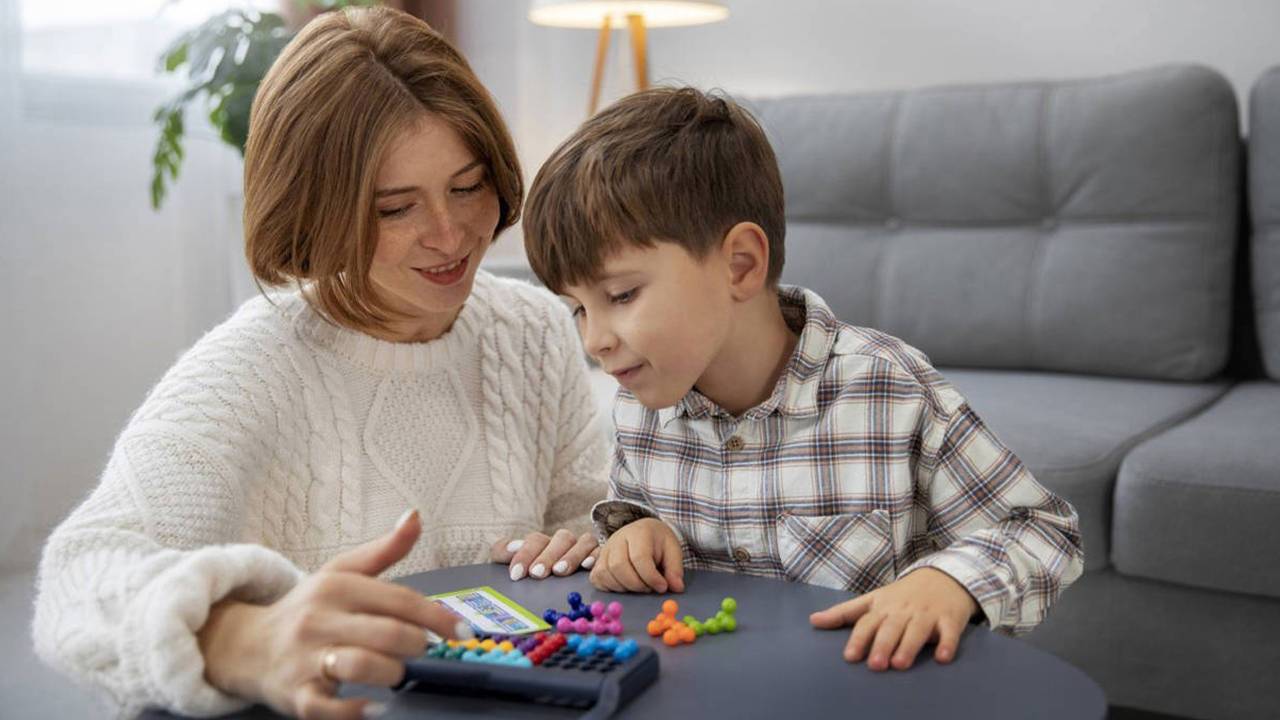
Every year on November 25th, the International Day for Overcoming Domestic Violence raises awareness that domestic violence is not only about the visible forms, but also the hidden and deeply embedded ones in societal inequalities, often unnoticed. In the lives of our special needs children, this struggle is constantly present. It is not just about children's education, health, development, and daily needs.
It is also about our ability to sustain our own lives, exercise our rights, and be protected against violence. Children may leave working life to care for their needs, lose economic independence, disconnect from their social environment, and become dependent on others for their needs. The burden of education, health, and daily life responsibilities cannot be shared with the social support and services available to them.
Economic dependency, lack of social security, and loneliness can increase our vulnerability to violence. However, violence is not only about physical attacks. Economic dependency, social isolation, threats, coercion, devaluation, and denial of rights can exacerbate the impact of violence. Not being able to provide economic freedom, disconnect from social life, and lack of access to support mechanisms can amplify the effects of violence.
November 25th is not just a day to remember violence, but also a reminder to change the inequalities that allow it. Women cannot be solely responsible for their children's needs; it is also a social and public responsibility. We must ask a crucial question: How can a woman who is a victim of violence, whose child has special needs, be protected?
To ensure she lives in a safe environment, receives continuous education and health services, and maintains her economic and social security, what can be done? Policies and protection mechanisms against violence must be inclusive, encompassing all women. However, the needs and conditions of women with special needs children are often not adequately considered in the planning of these mechanisms.
Inclusive treatment of these needs is not a preference, but a necessity. Accessible and inclusive women's shelters, economic support, social services, uninterrupted children's education and health services, legal consultation, and effective coordination among institutions must be provided. The protection of women from violence should not be left to individual efforts; conditions must be created for them to live safely and securely with their children.
We deserve equal rights, safe living conditions, social security, and support. In our fight for our children, we do not want to be left alone with all the responsibilities, nor do we want our needs to be ignored. We believe in a social life where we are not left alone and where our rights and needs are recognized. Together, we can be stronger. A stronger, free, and violence-free future is possible.
Rewritten by urgent.news; may contain errors — check the original.
Source: birgun.net