Good riddance to Natural England – the country’s most toxic quango
Louise Haigh has hinted she might abolish Natural England, an organisation that has spent two decades making it harder to build, harder to grow, and harder to end decline, says Tom Willerton-Gartside I was three years old when the government established a quango called “Natural England”. The England football team had just been knocked out [...]
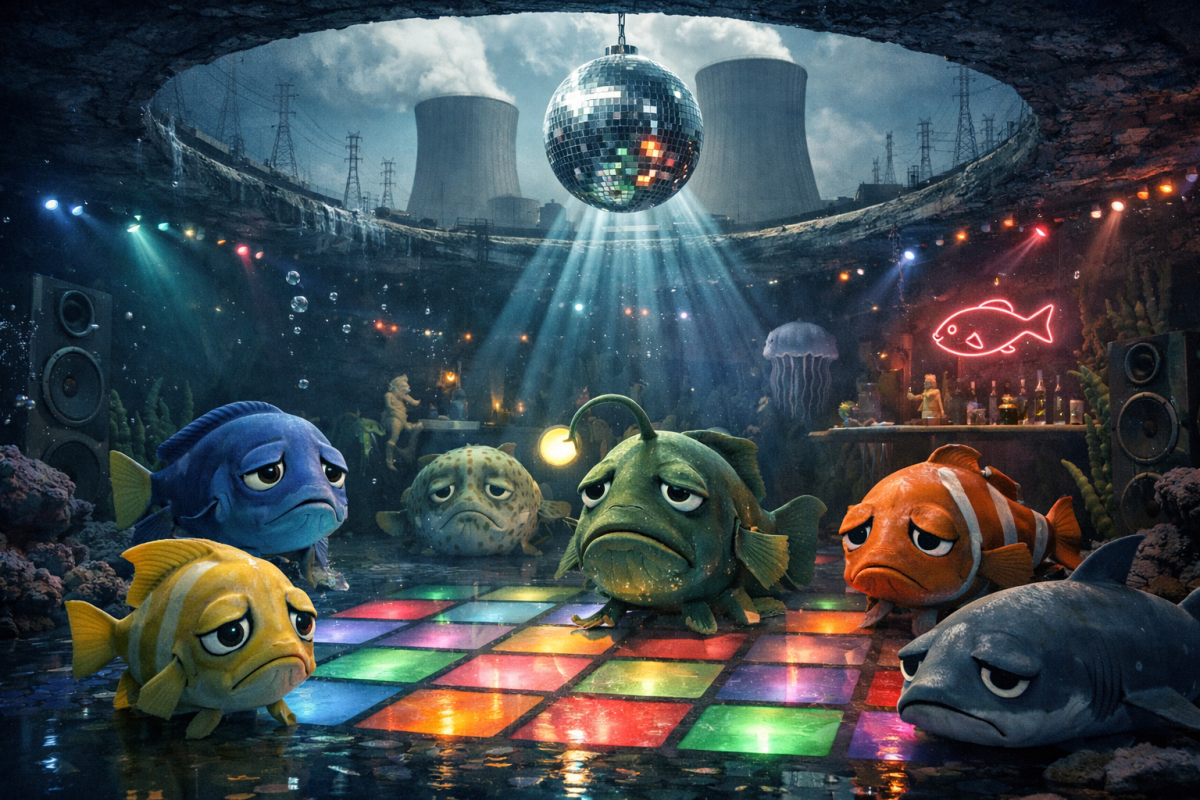
For over two decades, the quango known as Natural England has been obstructing the growth and development of Britain. From new power stations to roads and homes, they have cast a de facto veto over numerous projects, delaying, blocking, and even banning them. This blockage extends beyond practical matters, reaching issues such as theme parks and kite festivals. They have spent over 1,000 days blocking the construction of 20,000 new homes, citing the potential damage to the habitat of a snail.
The most infamous example of their obstructionism is the £100m HS2 bat tunnel, but perhaps even more notorious is their role in delaying Hinkley Point C, Britain's first nuclear power station in the 21st century. This delay has persisted for nearly a decade, with Natural England still unsure about whether they will give their approval. Some even speculate that they oppose nuclear energy altogether.
Natural England's chair, Tony Juniper, has made no secret of his views. Before becoming the head of Natural England, he campaigned against nuclear energy as the Executive Director of Friends of the Earth. He wrote against the nuclear "nightmare" in Socialist Worker and stood as the Green Party candidate in Cambridge, opposing new nuclear power stations. He even promoted articles opposing Hinkley Point C on social media.
Despite his previous activism against nuclear power, Juniper was appointed to the head role in Natural England by the Conservatives in 2019 and reappointed in 2021 and 2025. During his tenure, Natural England has continued to obstruct and delay, making it harder to build, grow, and end decline in Britain. This quango has become a significant threat to Britain's energy system, holding back the cheap, secure, and reliable nuclear power that could save households £540 every year by 2050.
Rewritten by urgent.news; may contain errors — check the original.
Source: cityam.com