From ship to shelf: The people who keep Kenya’s goods moving
NAIROBI, Kenya, Nov 24 – Drive along the Mombasa Road after dark and the highway tells its own story. Trucks run nose to tail, each carrying a container that left…
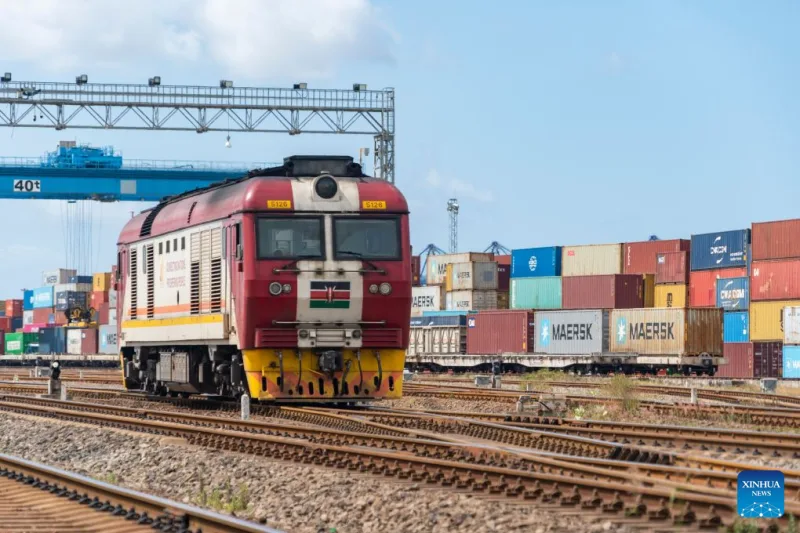
NAIROBI, Kenya - The movement of goods across Kenya begins at the Port of Mombasa, a hub for container liner services that follow published schedules. In 2025, 1,955 ships called at the port, handling 2.11 million TEUs, a 5.5 percent increase. Once a ship berths, a series of handovers occurs before the container reaches its destination.
DP World's Port Community System in Kenya aims to streamline this process by connecting shipping lines, agents, and cargo owners. From Mombasa, containers travel via road or the Standard Gauge Railway (SGR) to inland depots in Nairobi and Naivasha. Despite the efficiency of rail, every container still requires a truck, driver, and loading team to deliver to its final destination.
The journey from Mombasa to Kampala takes approximately 1,170 kilometers and typically takes 118 hours via truck, which is slightly above the target of 70 hours. Increased cargo volume through Kenya's ports has grown to 15.88 million tonnes in 2025, serving countries such as Uganda, the Democratic Republic of Congo, Rwanda, and Tanzania.
A long-distance truck driver noted that timely cargo delivery allows for the smooth operation of businesses, while delays can disrupt their operations. Reliable cargo arrivals enable businesses to manage their stock better and fulfill customer demands confidently. Congestion at Mombara and KPA's efforts to ease traffic are ongoing, while infrastructure projects at the port, like refurbishing ship berths, will increase capacity.
To attract more cargo to the region, Lamu port is being developed, handling 799,161 tonnes in 2025. The Kenya Ships Agents Association encourages completing road and rail links to make Lamu more appealing to cargo owners. Shipping relies on a collaborative effort among shipping lines, ports, government agencies, and inland transport.
With a workforce trained at institutions like the Bandari Maritime Academy, the blue economy holds numerous opportunities for Kenya's economic growth.
Rewritten by urgent.news; may contain errors — check the original.
Source: capitalfm.africa