From ghat to gallery, Banaras set for brush with art
The CII Banaras Biennale is set to commence on November 27, culminating on December 31. This unique event aims to intertwine the ancient and modern art scenes, presenting the vibrant culture of Banaras. Activities will unfold at numerous venues, including the distinguished Bharatiya Kala Bhavan. By fostering partnerships between cultural institutions and industry, the Biennale aspires to spark…
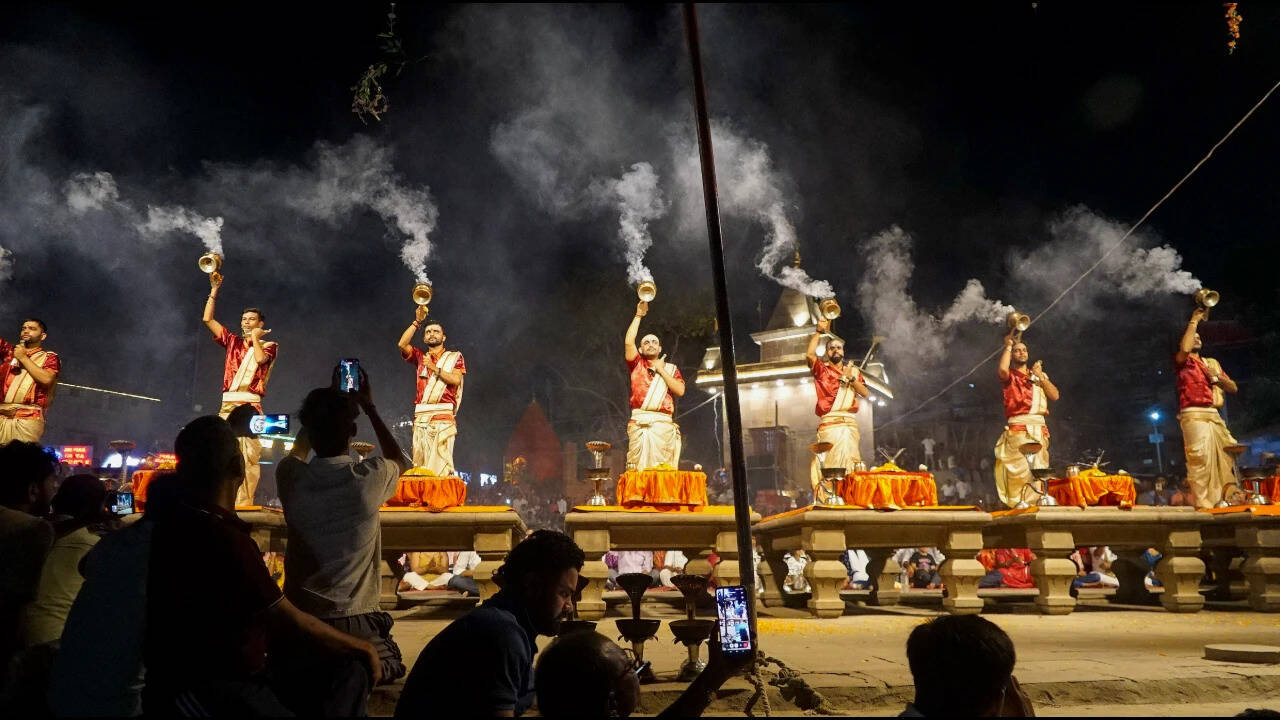
The inaugural CII Banaras Biennale opens on November 27 and runs until December 31, inviting art enthusiasts to linger in one of India's most ancient cities. Nestled within the bustling lanes adorned with ancient artwork and paan-stained walls, Banaras is more than the picturesque Ganga aarti and sunset boat rides that social media often showcase.
The biennale, themed "Kashi/Light; City as Sensorium," aims to position Banaras as a global capital of living culture, as emphasized by Madhav Singhania, chairman of the steering committee.
Spanning visual art, textiles, craft, music, performance, and scholarship, the biennale unfolds across ghats and galleries. Its core concept lies in the seamless integration of Banaras's past and present, as seen in the Bharatiya Kala Bhavan (BKB) within the Banaras Hindu University campus. Lead curator Gayatri Sinha thoughtfully juxtaposes contemporary works with an extensive collection of over one lakh objects in BKB, challenging the audience to envision the ancient and contemporary engaging in dialogue.
One striking example is the textile and craft section curated by Pramod Kumar KG, who seeks to link Banaras's rich weaving heritage with modern fashion and design. BKB's origins trace back to 1920 when art historian Rai Krishna Das initiated a collection, housed in a building inaugurated by Jawaharlal Nehru in 1962. The main gallery showcases Sinha's exhibition, "The Cycle of Life: Samsara," delving into life, death, livelihood, and renunciation in Banaras.
Sinha draws from BKB's extensive collection of terracotta sculptures, miniature paintings, textiles, and coins, weaving connections with contemporary art. Terracotta heads, some dating back 2,000 years, coexist with a contemporary piece by Ravinder Reddy, while Manu Parekh's artistic journey through Banaras finds expression in an 11ft-by-11ft tapestry woven by Karishma Swali's Chanakya School of Craft.
The biennale embodies an industry-driven, curator-led initiative, collaborating with institutions like the Kiran Nadar Museum of Art and Sunil Munjal's Serendipity Arts. This collaboration aims to create a lasting impact beyond the festival's duration, fostering skill development and textile initiatives that continue to enrich Banaras's cultural landscape.
Rewritten by urgent.news; may contain errors — check the original.
Source: timesofindia.indiatimes.com