EU to impose cap on Chinese hybrid EV imports next month
Temporary quotas on vehicles entering the bloc tariff-free will also apply to cars from the UK, Japan and Turkey Business live – latest updates The EU will next month impose its threatened caps on the number of Chinese hybrid cars that can be imported into the bloc without facing a tariff, the European Commission has announced. The quotas will also apply to hybrids from Japan, Turkey, South Korea…
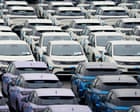
The European Commission has announced it will impose temporary quotas on Chinese hybrid electric vehicle (EV) imports into the European Union (EU) starting December 1, 2024. This follows an agreement with Beijing that has led to a surge in Chinese EV exports to the bloc. The quotas will apply for 200 days and limit tariff-free imports of Chinese hybrids to 350,000 units in the first year, or approximately 191,000 over 200 days.
The EU aims to reduce its significant trade deficit with China. The official journal stated that hybrids pose a threat to the EU industry in terms of innovation, electrification, and employment due to their strategic importance. The quotas will also be applied to hybrids from Japan, Turkey, South Korea, and the UK, with respective limits set at 310,000, 230,000, 105,000, and 190,000 vehicles.
These quota measures are considered safeguard measures under World Trade Organization rules and must apply to all major exporters of hybrid cars to the EU. Other countries subject to these import caps include South Korea, Mexico, Morocco, Serbia, and the US, but China is the primary target. Industry reports suggest that non-EU countries like the UK have raised concerns about the quota allocations.
China's Commerce Ministry expressed hope that the EU would adhere to the consensus reached between the two sides and that it would retain the right to protect Chinese industries' legitimate interests firmly. The European Commission pointed out that imports from China not only harm EU production but also diminish the market shares of other exporters, including Japan and South Korea.
Rewritten by urgent.news; may contain errors — check the original.
Source: theguardian.com