EU enlargement: Why do some EU member states use their vetoes to block the accession of certain candidate countries?
Individual EU member states use their veto powers to block candidate countries in the accession process — often for reasons of domestic politics. DW takes a look at some cases and examines what's behind them.
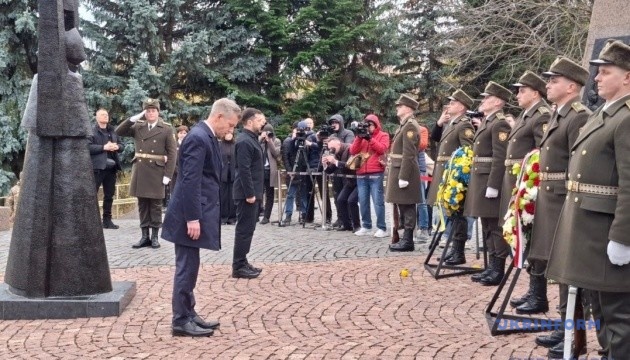
The European Union's most recent enlargement was in 2013 when Croatia became a member. A potential next enlargement could see Montenegro, a country of 620,000 people, join the EU as early as 2028. However, just days after EU Enlargement Commissioner Marta Kos announced this possibility in October, Croatia threatened to block Montenegro's accession negotiations unless certain demands were met.
This is not a new occurrence, as other member states have increasingly used their veto powers to block or delay the accession of other countries as a form of political leverage and blackmail.
Montenegro is the most advanced candidate country, with several negotiating chapters already closed. However, Croatia is currently blocking the closure of three chapters, demanding compensation for former prisoners held in Montenegrin camps during the Yugoslav wars, clarification of the fate of missing Croatians, and stricter prosecution of war crimes.
Additionally, there are disputes over maritime boundaries and payments for Yugoslav People's Army assets, which are disputed by Montenegro. Croatia's demands appear to be rooted in domestic political considerations, such as the need to avoid being seen as too compliant with EU policies and the desire to portray the government as a defender of national interests.
This situation is not unique to Montenegro; other candidate countries have also faced vetoes. North Macedonia, for instance, has been a candidate since 2005 but only began negotiations in July 2022 despite having already been granted candidate status in 2005. Greece blocked the start of negotiations for 13 years due to concerns over the country's name and territorial claims.
Bulgaria also blocked negotiations in November 2020, based on its dispute over the Macedonian language and the existence of a distinct Macedonian nation.
Serbia has been negotiating EU accession since 2014, but little progress has been made. In July, eight EU member states, including Croatia, opposed opening further negotiating chapters with Serbia due to concerns about democratic shortcomings, deficiencies in the rule of law, and corruption. However, Croatia is also at odds with Serbia over issues related to the 1991-95 war, missing persons, war crimes, minority rights, and differing interpretations of history.
Meanwhile, Albania has been an EU candidate since 2014, and accession negotiations were opened in July 2022. However, Greece has threatened to block the process unless the rights of the Greek minority in Albania are adequately protected.
Rewritten by urgent.news; may contain errors — check the original.
Source: dw.com