Energy Commission warns EV owners against charging from ordinary household sockets
The Energy Commission is warning electric vehicle (EV) owners not to charge their cars from ordinary household sockets, saying the wrong wiring can lead to overheating, fires and electrocution. The Commission said more EVs on Ghana’s roads means more safe charging points and professionally installed equipment are needed to avoid electrical accidents. The warning came […]
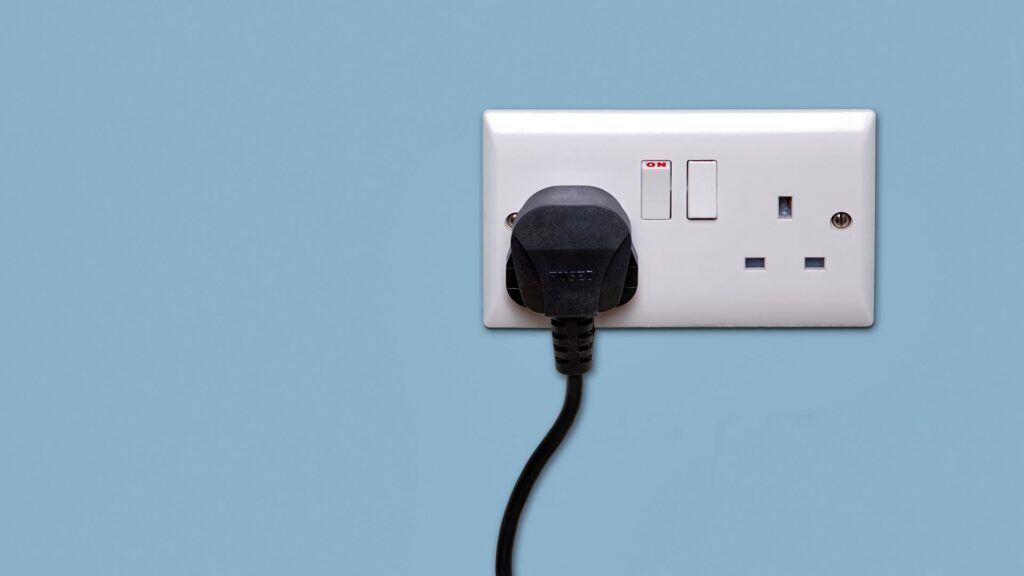
The Energy Commission has cautioned electric vehicle (EV) owners against charging their cars using ordinary household sockets, as improper wiring may result in overheating, fires, and electrocution. With the increasing number of EVs on Ghana's roads, the Commission emphasizes the need for safe charging points and professionally installed equipment to prevent electrical accidents.
Head of Investment and Partnership Mohammed Mikdad, speaking at the Chartered Institute of Logistics and Transport (CILT) 2026 NextGen Summit in Accra, urged transport operators, fleet managers, businesses, and homeowners to utilize certified electrical installations. Mikdad emphasized that EVs are fundamentally different from regular vehicles that run on gasoline, as charging them through unsuitable domestic sockets or electrical circuits not designed to handle the additional load can lead to severe risks, including overheating, electrical fires, and electrocution.
The Commission also warns that the surge in EV adoption may strain the national grid, urging stakeholders to invest in trained technicians and ensure responsible recycling and servicing of used EV batteries. The summit, themed "Smart Logistics, Sustainable Futures: Leveraging Digitalisation to Solve Urban Last-Mile Challenges," also introduced CILT Ghana's Student Membership Programme, aimed at connecting students in logistics, transport planning, supply chain, procurement, and ports and shipping administration with industry opportunities.
CILT Ghana's President, Alhaj Saaka Dumba, highlighted the importance of investing in young people's careers in the transport and logistics sectors, calling them the key to driving innovation, progress, and positive change.
Rewritten by urgent.news; may contain errors — check the original.
Source: adomonline.com