CRITICAL LESSONS OP-ED: Schools must become frontline defenders against gender-based violence in SA
South Africa must treat schools as vital spaces for preventing gender-based violence rather than responding only after harm occurs, while children internalise gender norms, power dynamics and attitudes towards aggression early.
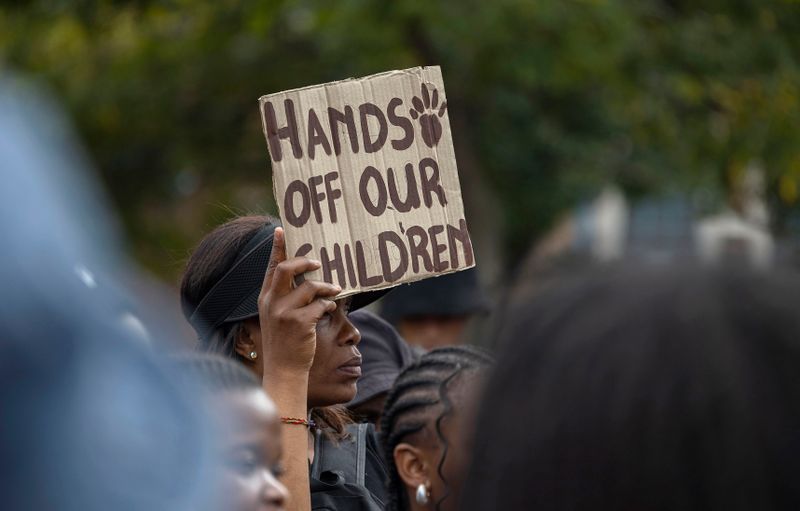
South Africa must treat schools as vital spaces for preventing gender-based violence (GBV) rather than merely responding to incidents after they occur, particularly as children internalize gender norms, power dynamics, and attitudes towards aggression during their formative years. Schools are where these lessons can be reinforced or challenged, making it imperative to examine what they teach about gender, agency, and power.
School curriculums, daily interactions, discipline approaches, and teacher behaviors all play crucial roles in shaping children's attitudes towards GBV. Teachers, as the primary adult figures in a child's life, are often the first to notice signs of distress, behavioral changes, or abuse. South Africa's child protection framework obligates teachers to report suspected abuse, but the effectiveness of this reporting process depends on the availability of adequate training, support, and referral systems.
Enhancing GBV prevention in schools involves addressing the gendered expectations children learn at home, in communities, and at school. Recent research indicates that interventions that engage men and boys in challenging harmful gender norms are essential in preventing GBV. Boys should be taught that masculinity does not equate to toughness, emotional suppression, control, or aggression, whereas girls should not be expected to yield to others or conform to restrictive norms.
The Department of Basic Education has already developed comprehensive sexuality education (CSE) policies and curriculum tools to promote gender-transformative norms. Topics such as sexual consent, power and control, including LGBTIQ+ messaging, addressing inequitable gender norms, and proposing equitable alternatives are covered in Grade 8 and 9 lessons. However, the success of CSE hinges on factors such as resource availability, teacher capacity, and parental and community support.
Gender fluidity, where individuals experience their gender identity differently, is another critical area that requires greater understanding and recognition by teachers. Children who identify more strongly with the opposite gender or don't experience themselves as strictly boy or girl may face additional challenges, which teachers should be aware of and sensitive to.
In summary, schools must adopt a proactive approach to GBV prevention by challenging harmful gender norms, providing adequate resources and support for teachers, and fostering an environment where children feel safe to express themselves openly.
Rewritten by urgent.news; may contain errors — check the original.
Source: dailymaverick.co.za