Bitcoin-S&P 500 Correlation Deepens as Halving Cycle Loses Predictive Power
Bitcoin’s growing correlation with U.S. stock indexes is undermining traditional models for predicting price movements in the cryptocurrency market. As crypto assets become more integrated into mainstream finance and institutional participation expands, Bitcoin is increasingly behaving like a risk a
Bitcoin’s correlation with U.S. stock indexes is intensifying, undermining models that predict cryptocurrency price movements based on the halving cycle. As institutional participation strengthens, Bitcoin increasingly resembles a risk asset influenced by macroeconomic factors and technology stocks. According to CryptoQuant, Bitcoin’s cumulative correlation index with the S&P 500 reached 104.29 on November 19, indicating a strong correlation between the two.
The index had been negative for a long time before becoming positive in April and has risen since then. The correlation tracks the 90-day rolling relationship between Bitcoin and the S&P 500. As Bitcoin’s price fell from $81,853.54 to $61,901.82 between October 19 and November 19, the S&P 500 also declined from 7,680.73 to 7,175.83 over the same period.
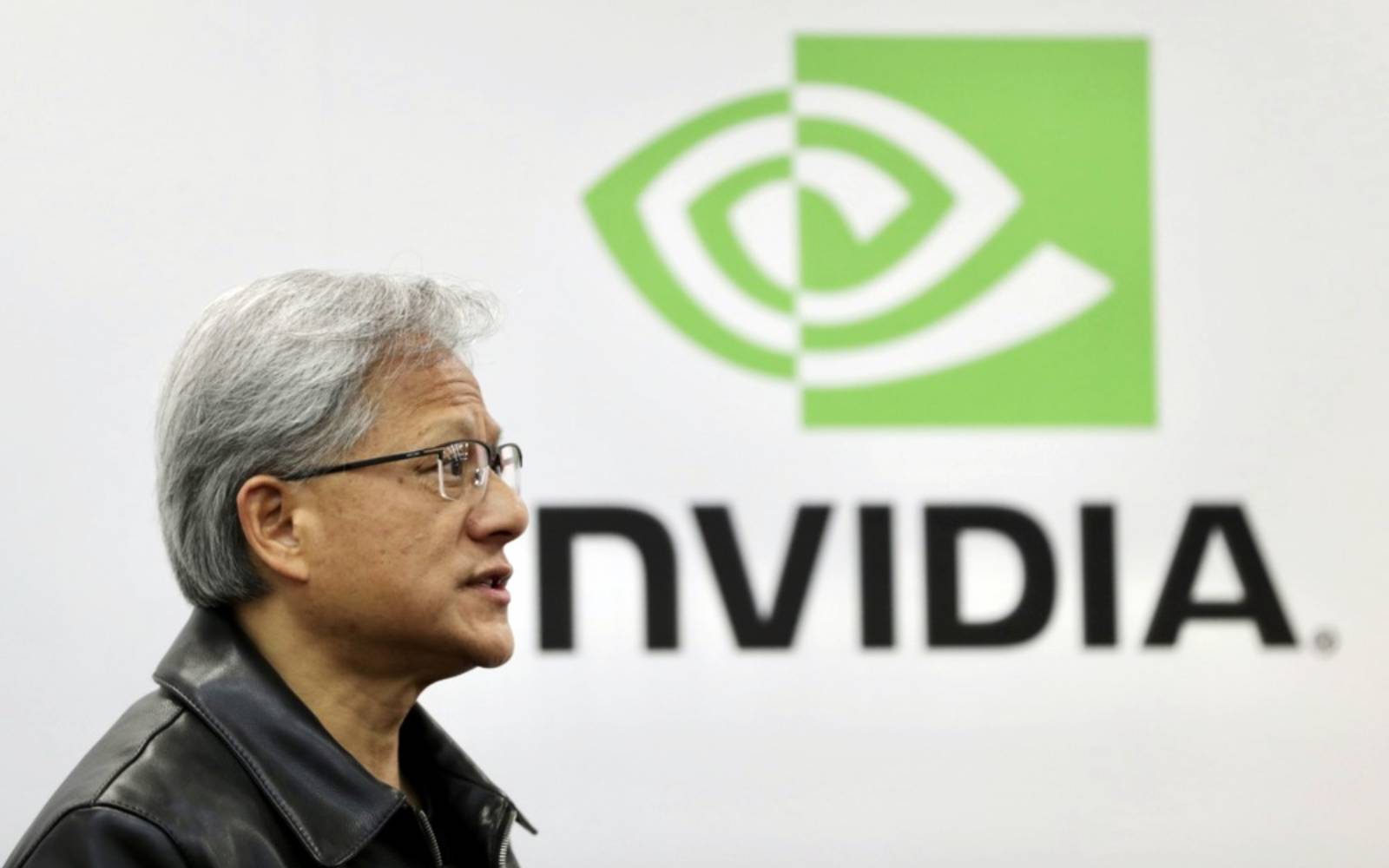
Market focus shifted to Nvidia CEO Jensen Huang’s return to the company after his resignation, with shares surging more than 31% on November 23. The positive risk sentiment also lifted Bitcoin above $64,000, temporarily. However, Bitcoin subsequently faced profit-taking and institutional selling during U.S. trading hours, retreating to the $61,000-$62,000 range.
Seven of the eight U.S. trading days since Huang’s resignation saw Bitcoin declining, and outflows from U.S. spot Bitcoin ETFs delayed a recovery in institutional demand. Bitcoin dropped on seven of the eight U.S. trading days since Huang’s resignation, and U.S. spot Bitcoin ETFs saw $1.8 billion in net outflows last week, led by $669.2 million on November 20.
Experts say the halving cycle's predictive power has declined as Bitcoin becomes more integrated into mainstream financial markets due to ETFs and custody services. The introduction of these services has made Bitcoin more accessible to institutional investors, strengthening its ties to equities. Regulatory efforts to integrate crypto assets into the mainstream financial system are advancing, with the U.S. pursuing the Clarity Act and South Korea considering a Digital Asset Basic Act.
Grayscale, an asset management firm, expects AI-related risks to drive the market in the short term, warning that financing problems or weakness in related stocks could impact the cryptocurrency market. Investor sentiment remains cautious, with the Fear and Greed Index at 11, indicating extreme fear. Bitcoin was trading at a 1.76% premium over overseas prices in South Korea, known as the "Kimchi Premium."
Market participants are watching for volatility ahead of the U.S. Personal Consumption Expenditures (PCE) price index for October on November 25 and lower trading volumes due to the Thanksgiving holiday.
Rewritten by urgent.news; may contain errors — check the original.
Source: businesskorea.co.kr