Army: Entire U.S. stockpile of lead azide is at Iowa plant and set to be detonated Wednesday morning
MIDDLETOWN, Iowa (AP) — The U.S. Army says it plans to detonate its entire stockpile of lead azide in Iowa on Wednesday morning, warning that the dangerously degrading bomb-making chemicals could spread toxic lead within the area. Officials sought to assure residents Tuesday that they’ve taken steps to put barriers around the blast zone and […]
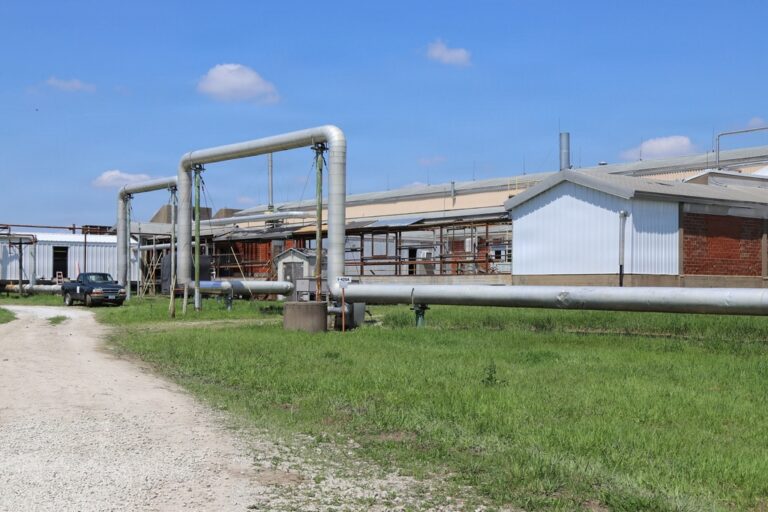
The U.S. Army has announced plans to detonate its entire stockpile of lead azide at a plant in Middletown, Iowa, on Wednesday morning. Concerns have arisen regarding the potential health and environmental impacts of this action, as the degraded bomb-making chemicals could release toxic lead into the surrounding area.
The Army's Acting Secretary, Adam Telle, sought to reassure residents, stating that they have taken measures to establish barriers around the blast zone and control the plume from the detonation. This controlled detonation of five tons of lead azide has sparked concerns and frustration due to the limited information provided to the public.
The Iowa Army Ammunition Plant in Middletown is set to be the site of this high-risk operation, with the community eagerly awaiting further clarification on the potential consequences and safety precautions being implemented.
Rewritten by urgent.news; may contain errors — check the original.
Source: news.mongabay.com