Air cargo’s squeeze makes the case for AI-driven cargo technology
Air cargo demand is surging, but capacity, pricing, compliance and fuel costs are squeezing carriers. See how AI-driven cargo technology helps. The post Air cargo’s squeeze makes the case for AI-driven cargo technology appeared first on FreightWaves .
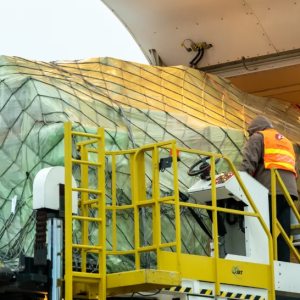
The air cargo industry is experiencing a surge in demand, with global freight volumes rising 6% year-over-year in October, according to Xeneta. Spot rates have also increased by 30% year-over-year, indicating a strong market. However, the reality on the ground tells a different story. Warehouses, booking desks, and the ramp are straining to handle the increased freight load. But a new generation of cloud-native, AI-driven cargo platforms is emerging to help carriers manage these pressures and even monetize them.
These AI-driven platforms provide real-time visibility into cargo capacity, enabling airlines to better manage their resources and monetize underutilized space. By leveraging machine learning models, carriers can predict available belly space flight by flight, days before departure, and adjust their plans accordingly. This allows for more efficient use of existing aircraft, generating additional revenue without the need for new fleet additions.
AI-powered dynamic pricing systems also play a crucial role in the industry. By analyzing demand curves, booking patterns, and market rates, these systems can recommend optimal pricing strategies for each flight, helping carriers maximize their yield while remaining competitive. Additionally, AI-driven load optimization algorithms can maximize payload capacity by carefully arranging shipments within each aircraft, reducing the number of offloads and minimizing rebooking costs.
The regulatory landscape for air cargo is also evolving, with stricter security protocols, shifting tariffs, and new data requirements being introduced simultaneously. Legacy cargo systems struggle to keep up with these changes, particularly when it comes to handling millions of individual orders with their own customs records. Cloud-based, AI-driven cargo platforms address these challenges by capturing important data at the point of booking, ensuring accurate and timely compliance with regulations.
Moreover, AI-driven load planning and optimization help carriers minimize idle time and rebooking costs by ensuring that aircraft are loaded as efficiently as possible. By integrating AI-driven cargo platforms with existing systems, forwarders and airlines can streamline their operations, reduce paperwork, and improve real-time tracking of shipments. This not only enhances efficiency but also improves the overall customer experience by providing more reliable and accurate information about cargo status.
In summary, the air cargo industry is grappling with a perfect storm of increasing demand, limited capacity, and evolving regulatory requirements. However, AI-driven cargo technology offers a way forward, enabling carriers to manage capacity more effectively, monetize underutilized resources, ensure compliance, and optimize operations. As the industry navigates these challenges, embracing AI-driven solutions will be crucial for maintaining competitiveness and delivering value to customers in this tight market.
Rewritten by urgent.news; may contain errors — check the original.
Source: freightwaves.com